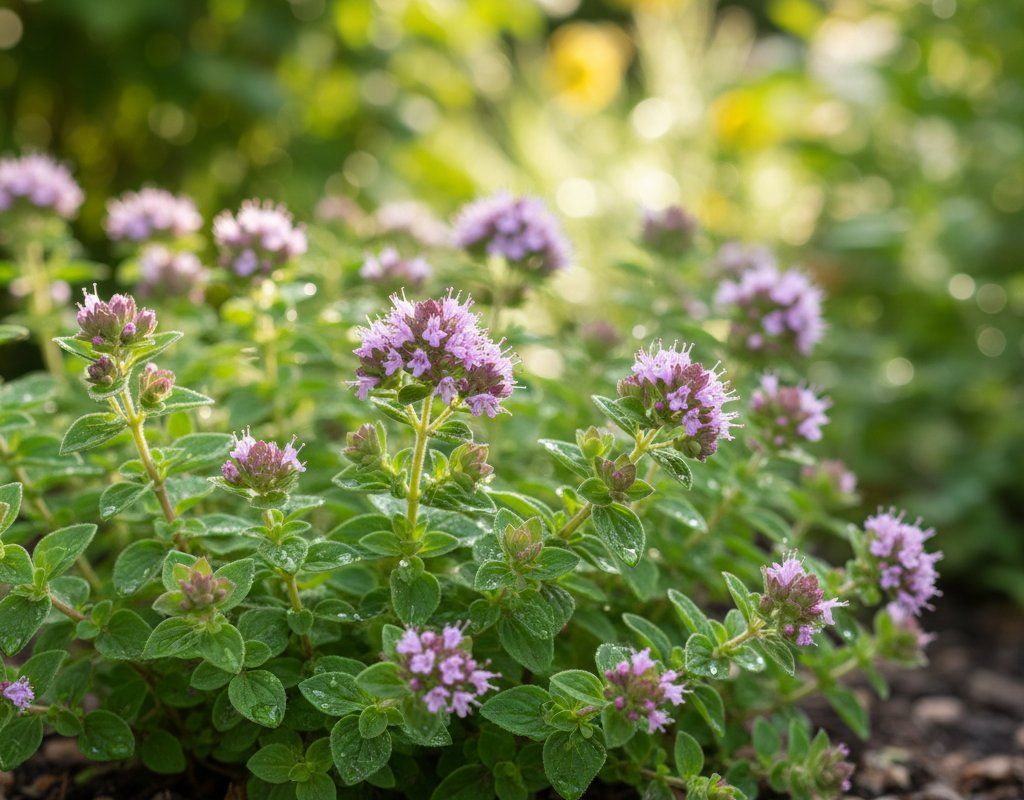
Oregano in Zone 5B — Mountain West
Origanum vulgare · Your Complete 2026 Planting Guide
Ideal Time: Start Seeds Indoors!
This is the perfect time for the biggest, best harvest.
Start Seeds Now
- Start seeds in trays or pots with seed-starting mix
- Keep soil moist and warm (70-80°F)
- Transplant outdoors Early May through mid June
Not Starting from Seed?
Buy starts around May 5 — that works great too!
How to Plant Oregano in Zone 5B — Mountain West
Here are all your options for getting oregano in the ground, from the easiest method to more advanced approaches.
Buy Starts
RecommendedEarly May through mid June
around May 5
Plant purchased starts after last frost (May 5).
Easy from seed but slow. Starts give faster results.
Start Seeds Indoors
Works WellEarly to late March
around March 10
Then transplant: Early May through mid June
Start seeds 8-10 weeks before transplanting outdoors.
Direct Sow Seeds
Works WellEarly May through early August
around May 5
Consider succession planting every 2-3 weeks for continuous harvest.
Transplant Outdoors
Timing InfoEarly May through mid June
around May 5
Can tolerate light frost, but wait for soil to be workable.
You have a nice window — no need to rush.
Overview
Oregano thrives in our Mountain West gardens, delivering that authentic Mediterranean flavor that makes store-bought versions taste like dust. Here at altitude, our intense sun and cool nights actually concentrate the essential oils that give oregano its punch, creating herbs with far more complexity than you'll find in supermarket containers. This hardy perennial handles our temperature swings beautifully and gives you fresh oregano from mid-June straight through until frost.
Our short 149-day growing season and late spring start might seem challenging, but oregano's drought tolerance and heat love make it perfectly suited to our high altitude conditions. Once established, it practically takes care of itself through our dry summers, and you'll have plenty of time to get multiple harvests before our first frost in early October.
Starting Seeds Indoors
Starting oregano from seed indoors works well in our climate, though it requires patience since germination can take up to two weeks. Start seeds in early to late March, about 8 weeks before you plan to transplant outdoors after our last frost risk passes. Use seed trays with good drainage and keep them warm - a heat mat helps speed germination in our still-cool spring weather.
Bottom watering works best for oregano seedlings since the seeds are tiny and easily displaced. Keep the soil consistently moist but not soggy, and provide bright light once seedlings emerge. Given our late spring character here in the mountains, indoor starting gives you a solid head start on the growing season, though you can also buy transplants if you prefer faster results.
Transplanting Outdoors
Transplant oregano outdoors from early May through mid-June, once nighttime temperatures consistently stay above 40°F and soil has warmed. Our intense UV at altitude can shock tender transplants, so harden them off gradually over a week, starting with morning sun only and building up to full exposure. Space plants 12-18 inches apart since oregano spreads as it matures.
Plant transplants after any risk of late snow has passed - our mountain weather can surprise you with unexpected cold snaps even in mid-May. Choose a spot with excellent drainage since oregano hates wet feet more than it minds our occasional temperature swings. Transplants establish quickly in our warm, sunny days and give you harvestable oregano much faster than direct seeding.
Direct Sowing
Direct sowing oregano works from early May through early August, giving you flexibility throughout our growing season. Wait until soil temperatures reach at least 60°F consistently - usually by mid-May in most mountain locations. Prepare the soil by working in some compost, but don't over-fertilize since oregano prefers lean conditions that concentrate its flavor oils.
Scatter seeds lightly and barely cover them since they need light to germinate. Space them 12-18 inches apart, though you can thin later if needed. Direct sown oregano takes longer to establish than transplants, but it often develops stronger root systems that handle our dry conditions better. The trade-off is waiting about 6-8 weeks longer for your first harvest compared to transplants.
Watering Oregano in Zone 5B (Mountain West)
Oregano is remarkably drought-tolerant once established, making it perfect for our dry mountain climate with only 10-20 inches of annual rainfall. During the first month after transplanting, water deeply once or twice weekly to help roots establish. After that, you can back off significantly - mature oregano typically needs only about half an inch of water per week, and often less.
Use the finger test by sticking your finger 2 inches into the soil near the plant. If it's dry at that depth, it's time to water. In our low humidity environment, water at the base of plants rather than overhead to reduce evaporation and keep moisture where roots can use it. Our moderate summer highs of around 85°F mean oregano rarely suffers from heat stress, even with minimal watering.
Overwatering actually dilutes oregano's essential oils and can lead to root rot in our clay-heavy soils. Signs of overwatering include yellowing leaves and weak, leggy growth. Underwatering shows as wilted, grayish leaves, though oregano bounces back quickly once watered. A light mulch helps retain soil moisture without keeping roots too wet.
Watch for our typical mid-summer dry spells when even drought-tolerant plants appreciate a deep watering. During August heat waves, one thorough weekly watering usually suffices, letting our cool nights help plants recover between waterings.
Pruning & Maintaining Oregano
Oregano needs minimal pruning to stay productive through our growing season. Cut back about one-third of the plant in midsummer, usually around mid-July, to prevent flowering and encourage fresh, tender growth. This keeps the plant compact and channels energy into leaf production rather than seed development.
Harvest regularly by cutting stems just above a leaf pair - this acts as ongoing pruning and keeps plants bushy. Remove any flower buds as soon as they appear since flowering makes leaves bitter and reduces essential oil content.
In late fall, after our first frost in early October has killed back the top growth, cut oregano back to about 2 inches above ground level. This prepares the plant for winter and encourages vigorous spring growth. Don't cut back too early since the plant needs to store energy in its roots for overwintering.
🧪Fertilizing Oregano
Feeding Schedule
Organic Fertilizer Options
Harvest Time
Expect your first oregano harvest from mid-June through early October, depending on whether you started from transplants or seeds. Transplants typically give you harvestable sprigs about 45 days after planting, while direct-sown oregano takes longer to reach cutting size. Look for stems that are at least 4 inches tall with several sets of mature leaves.
Harvest in the morning after dew has dried but before the day gets too warm - this is when essential oils are most concentrated. Cut stems just above a leaf pair to encourage branching and continued growth. The best flavor comes just before the plant flowers, so watch for flower buds and harvest heavily when you see them forming.
Our intense mountain sun actually improves oregano's flavor by concentrating essential oils, giving you herbs with more punch than grocery store varieties. You can harvest continuously throughout the season by cutting what you need and leaving the rest to grow. Each plant easily provides enough oregano for most home kitchens.
As our first frost approaches in early October, harvest heavily to preserve what you can. Oregano doesn't ripen off the plant, so cut everything usable before temperatures drop. The plant will return next spring since oregano is perennial in our zone.
Common Problems in Zone 5B (Mountain West)
Root Rot Yellowing leaves starting from the bottom up, soft black roots, and plants that wilt despite moist soil signal root rot. Our clay-heavy mountain soils can hold too much water, especially during spring snowmelt or unusually wet summers. Improve drainage by adding compost or planting oregano in raised beds. Avoid overwatering and ensure good air circulation around plants. Once root rot sets in, it's usually fatal - prevention through proper drainage is key.
Aphids Look for clusters of tiny green, black, or white soft-bodied insects on stems and leaf undersides, often accompanied by sticky honeydew residue and curled new growth. These sap-sucking pests multiply quickly during warm weather and are often tended by ant colonies that harvest their honeydew. Knock them off with a strong water spray, encourage natural predators like ladybugs, or use insecticidal soap for heavy infestations. Avoid high-nitrogen fertilizers that make plants more attractive to aphids.
Spider Mites Fine stippling on leaves (tiny white dots), webbing on leaf undersides, and bronze or yellowing foliage indicate spider mites. These microscopic pests thrive in our hot, dry mountain conditions and low humidity. Daily strong water sprays for a week often control them effectively. Increase humidity around plants if possible, or use neem oil for persistent problems. Avoid broad-spectrum pesticides that kill beneficial predatory mites.
Mountain West Specific Challenges Our combination of intense UV, low humidity, and temperature swings actually works in oregano's favor by concentrating essential oils and reducing many fungal diseases. However, our alkaline soils can sometimes cause nutrient uptake issues - watch for yellowing between leaf veins, which may indicate iron deficiency. Our occasional hailstorms can damage foliage, but oregano recovers quickly with its vigorous growth habit.
Best Companions for Oregano
Plant these nearby for healthier Oregano and better harvests.

Keep Away From
Companion Planting Details
Oregano makes an excellent companion for heat-loving vegetables that share its preference for well-drained soil and full sun. Plant it near peppers and tomatoes, where its aromatic oils may help deter aphids and other soft-bodied pests while attracting beneficial insects. The sprawling habit of oregano also provides living mulch around taller plants, helping retain soil moisture in our dry climate.
Beans and squash also benefit from oregano's pest-deterrent properties, and the herb's deep taproot doesn't compete heavily with these vegetables' root systems. Avoid planting oregano too close to moisture-loving plants since their watering needs don't match, but otherwise oregano plays well with most garden vegetables and actually improves the growing environment for many crops.
🌸Best Flowers to Plant with Oregano
These flowers protect your Oregano from pests and attract pollinators for better harvests.
For Pest Control




Get a Reminder When It's Time to Plant
We'll email you when key planting windows open for your zone.