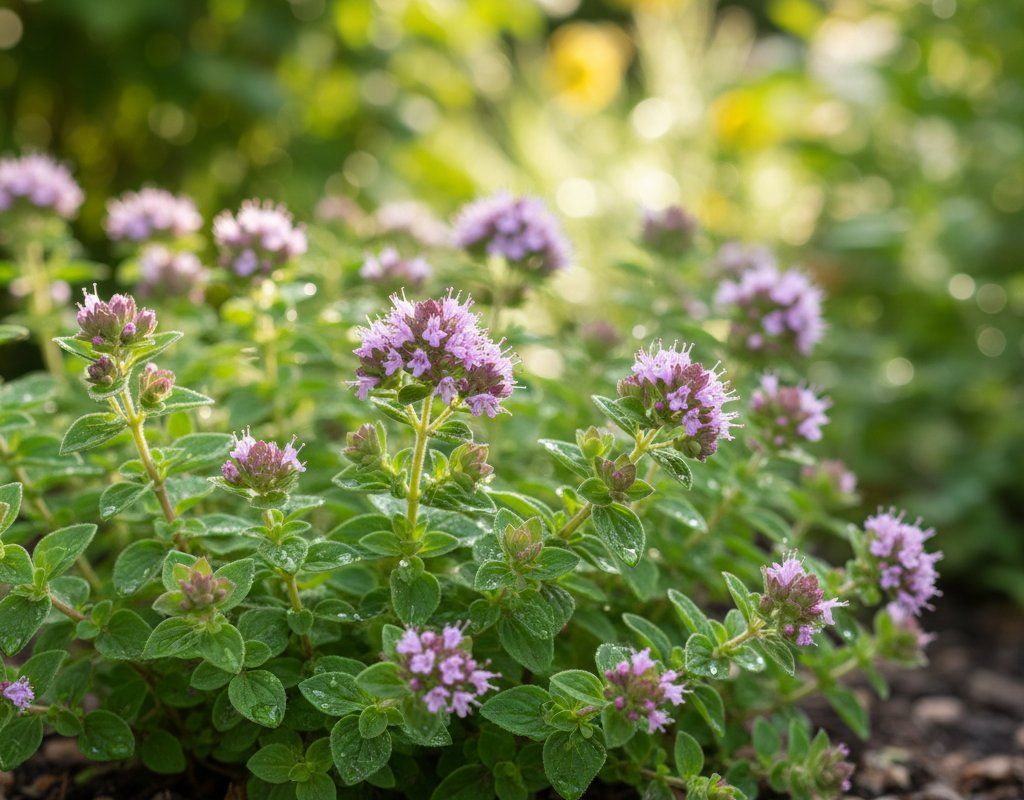
Oregano in Zone 7A — Texas
Origanum vulgare · Your Complete 2026 Planting Guide
Missed Seed Starting? No Problem!
Wait for starts to become available.
What to Do
Starts will be available at nurseries in 11 days (around March 15).
How to Plant Oregano in Zone 7A — Texas
Here are all your options for getting oregano in the ground, from the easiest method to more advanced approaches.
Buy Starts
RecommendedMid March through late April
around March 15
Plant purchased starts after last frost (March 15).
Easy from seed but slow. Starts give faster results.
Start Seeds Indoors
Works WellMid January through early February
around January 18
Then transplant: Mid March through late April
Start seeds 8-10 weeks before transplanting outdoors.
Direct Sow Seeds
Works WellMid March through mid September
around March 15
Consider succession planting every 2-3 weeks for continuous harvest.
Transplant Outdoors
Timing InfoMid March through late April
around March 15
Can tolerate light frost, but wait for soil to be workable.
You have a nice window — no need to rush.
Overview
Oregano is a Texas gardener's dream herb – it thrives in our intense heat, laughs at drought conditions, and delivers that bold Mediterranean flavor that makes everything from pizza to grilled vegetables shine. In our unpredictable Texas climate, having a reliable perennial herb that actually gets stronger and more flavorful during our brutal summer months is pure gold.
While our extreme heat and wild weather swings can challenge many herbs, oregano's drought tolerance and heat-loving nature make it perfectly suited for Zone 7A conditions. With our generous 245-day growing season, you'll have fresh oregano from spring through late fall, and in most Texas winters, it'll keep producing right through the mild months.
Starting Seeds Indoors
Starting oregano seeds indoors gives you a head start on the growing season, though it's not absolutely necessary in our Zone 7A climate. Start seeds mid-January through early February, about 8 weeks before you plan to transplant outdoors. This timing works well with our early spring weather patterns.
Use seed starting trays with good drainage and keep them in a warm spot – around 70°F is ideal. Bottom watering works best to prevent damping off, which can be a problem in our variable humidity conditions. Seeds typically germinate in 7-14 days.
Once seedlings emerge, they'll need bright light or grow lights for 12-14 hours daily. The advantage of indoor starting in Texas is getting established plants ready to handle our unpredictable spring weather swings and late cold snaps.
Transplanting Outdoors
Transplant your oregano seedlings outdoors from mid-March through late April, after the risk of hard freezes passes. In Texas, this timing gives plants enough time to establish before our summer heat kicks in full force. Harden off seedlings gradually over a week, starting with just a few hours of morning sun.
Space plants 12-18 inches apart to allow for their spreading growth habit and good air circulation – important in our variable humidity conditions. Choose a spot with excellent drainage, as oregano absolutely cannot tolerate wet feet, especially during our unpredictable spring rains.
Watch for late cold snaps during transplant season, which can still occur in Texas through early April. Have row covers or containers ready to protect young plants if temperatures threaten to drop below 32°F.
Direct Sowing
Direct sowing oregano works well in Texas from mid-March through mid-September, giving you flexibility for spring planting or establishing a fall crop. The extended sowing window is one of the benefits of our long growing season. Prepare your soil by working in compost and ensuring excellent drainage.
Sow seeds when soil temperatures reach 65°F consistently – this usually happens by mid-March in most of Zone 7A. Plant seeds ¼ inch deep and space them 12-18 inches apart, or sow more densely and thin later. Keep soil consistently moist until germination, which takes 10-21 days outdoors.
The main advantage of direct sowing is avoiding transplant shock, though seedlings will be more vulnerable to our unpredictable weather. Summer sowings (July-August) can establish plants for excellent fall and winter harvest when temperatures cool.
Watering Oregano in Zone 7A (Texas)
Oregano's drought tolerance makes it perfect for Texas gardeners dealing with unpredictable rainfall and water restrictions. Once established (after 4-6 weeks), oregano needs very little supplemental water – about ½ inch per week during our growing season. This low water requirement actually improves the herb's essential oil concentration and flavor intensity.
During establishment, water deeply but infrequently to encourage deep root development. Use the finger test – stick your finger 2 inches into the soil, and only water if it's dry at that depth. In our Texas heat, this might mean watering every 3-4 days initially, then backing off to weekly or less once plants are established.
Always water at the base of the plant rather than overhead, especially important given our variable humidity conditions. Overhead watering in humid periods can promote fungal problems, while in dry periods it just wastes water to evaporation. Our unpredictable rainfall patterns mean you might water regularly for weeks, then not at all during wet spells.
The biggest mistake Texas gardeners make is overwatering oregano, especially during our intense summer months. Plants that get too much water produce weak, flavorless leaves and become susceptible to root rot. A 2-3 inch layer of mulch helps retain soil moisture while keeping roots cooler during 97°F+ days, but keep mulch pulled back from the plant stems.
Pruning & Maintaining Oregano
Oregano requires minimal pruning, but strategic cuts keep plants productive and compact in our long growing season. Pinch off flower buds as they form to maintain the best leaf flavor, though letting a few flowers develop attracts beneficial insects to your garden.
Cut plants back by about one-third in midsummer (July-August) to prevent them from getting leggy during our intense heat and to encourage fresh, tender growth for fall harvest. This timing works perfectly with our two-season growing pattern in Texas.
In late fall, after the first light frost but before hard freezes arrive (typically mid-November), cut plants back to about 2 inches above ground level. In Texas, oregano often stays semi-evergreen through our mild winters, so don't be surprised if you see new growth emerging during warm winter spells.
🧪Fertilizing Oregano
Feeding Schedule
Organic Fertilizer Options
Harvest Time
You can start harvesting oregano sprigs once plants reach 4+ inches tall, typically by late April in Texas Zone 7A. The beauty of oregano is its continuous harvest nature – the more you cut, the more it produces throughout our extended growing season until the first frost in mid-November.
For the most intense flavor, harvest in the morning after dew dries but before the heat of the day. Cut stems just above a pair of leaves to encourage branching and continued growth. The best flavor comes from harvesting just before the plant flowers, when essential oils are most concentrated.
During our brutal summer months (July-August), oregano leaves become even more potent and flavorful – unlike many herbs that decline in heat. Harvest regularly to keep plants productive, taking up to one-third of the plant at a time. Fresh oregano leaves can be used immediately or dried for winter storage.
As fall approaches and temperatures start cooling, oregano enters another peak production period. Continue harvesting through November, and in mild Texas winters, you may get occasional harvests even in December and January during warm spells.
Common Problems in Zone 7A (Texas)
Root Rot Root rot appears as yellowing leaves, wilting despite moist soil, and blackened, mushy roots when you check below ground. Plants may suddenly collapse or show stunted growth with poor color. This problem occurs when oregano sits in waterlogged soil, especially common during our flash flood periods or in poorly-draining clay soils. Prevent root rot by ensuring excellent drainage through raised beds or amended soil, and avoid overwatering during our unpredictable rainfall periods. Once root rot sets in, affected plants usually can't be saved.
Aphids Look for clusters of tiny, soft-bodied insects (green, black, or white) on stems and leaf undersides, sticky honeydew residue on leaves, and curled or distorted new growth. These rapid-reproducing sap-suckers thrive in our warm Texas weather, and populations can explode quickly. Fire ants often farm aphids for their honeydew, making the problem worse. Knock them off with a strong water spray, encourage natural predators like ladybugs, and use insecticidal soap for heavy infestations. Avoid high-nitrogen fertilizers, which make plants more attractive to aphids.
Spider Mites Spider mites cause fine stippling on leaves (tiny white dots), fine webbing on leaf undersides and between stems, and leaves that turn bronze or yellow. These microscopic arachnids thrive in our hot, dry conditions and drought stress. During our extreme heat periods, populations can explode overnight. Combat them with daily strong water sprays for a week, increase humidity around plants through mulching, and use neem oil or insecticidal soap. Avoid broad-spectrum pesticides that kill beneficial predators.
Texas gardeners face unique challenges with oregano mainly during our extreme weather swings – flash floods can cause root rot, while extended drought stress makes plants vulnerable to spider mites. Our variable humidity and unpredictable weather create perfect conditions for rapid pest population explosions, so regular monitoring is essential.
Best Companions for Oregano
Plant these nearby for healthier Oregano and better harvests.

Keep Away From
Companion Planting Details
Oregano makes an excellent companion for heat-loving vegetables in Texas gardens. Plant it near peppers and tomatoes, where its strong scent helps repel aphids, spider mites, and other pests that plague these crops during our hot summers. The oregano's low water needs complement these vegetables' preferences, and its spreading habit provides living mulch that keeps soil cooler during extreme heat.
Oregano also pairs well with squash and beans, offering natural pest protection while thriving in similar growing conditions. The herb's perennial nature means it returns each year to continue protecting annual vegetable crops. There are no significant bad companions for oregano – its main requirement is simply not being overwatered by association with thirsty plants that need constant irrigation.
🌸Best Flowers to Plant with Oregano
These flowers protect your Oregano from pests and attract pollinators for better harvests.
For Pest Control



Get a Reminder When It's Time to Plant
We'll email you when key planting windows open for your zone.