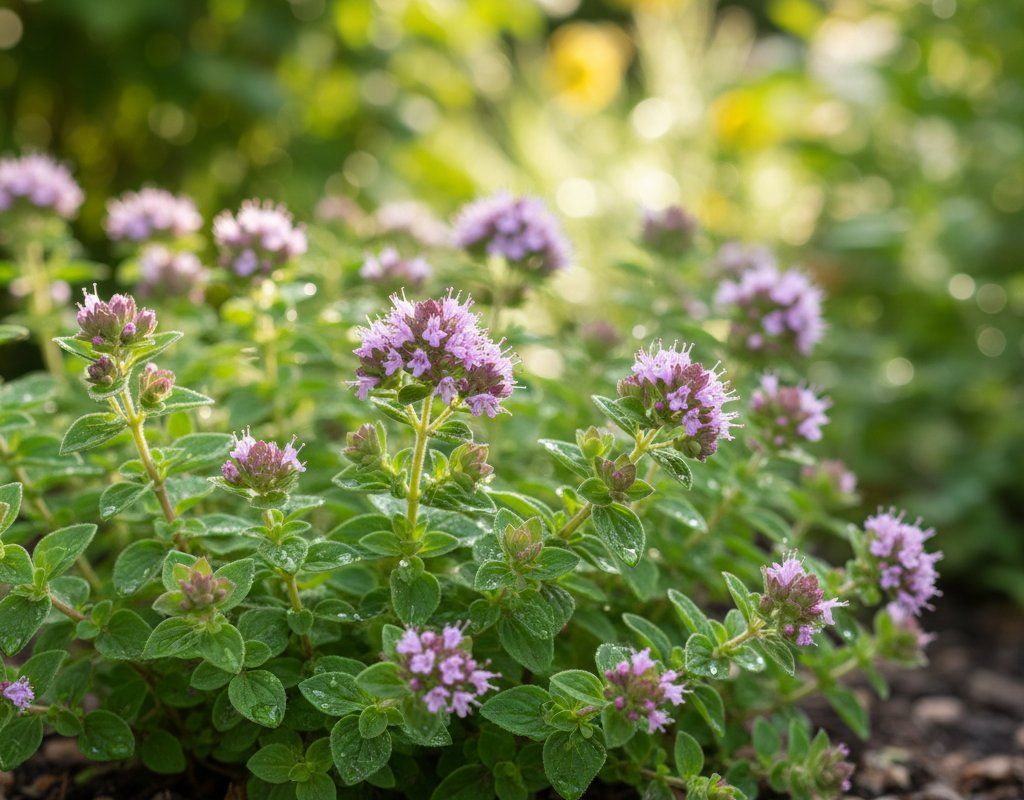
Oregano in Zone 7B — Pacific Northwest
Origanum vulgare · Your Complete 2026 Planting Guide
Missed Seed Starting? No Problem!
Wait for starts to become available.
What to Do
Starts will be available at nurseries in 42 days (around April 15).
How to Plant Oregano in Zone 7B — Pacific Northwest
Here are all your options for getting oregano in the ground, from the easiest method to more advanced approaches.
Buy Starts
RecommendedMid April through late May
around April 15
Plant purchased starts after last frost (April 15).
Easy from seed but slow. Starts give faster results.
Start Seeds Indoors
Works WellMid February through early March
around February 18
Then transplant: Mid April through late May
Start seeds 8-10 weeks before transplanting outdoors.
Direct Sow Seeds
Works WellMid April through late August
around April 15
Consider succession planting every 2-3 weeks for continuous harvest.
Transplant Outdoors
Timing InfoMid April through late May
around April 15
Can tolerate light frost, but wait for soil to be workable.
You have a nice window — no need to rush.
Overview
Oregano thrives in the Pacific Northwest's mild summers and well-drained soils, delivering that authentic Mediterranean flavor that makes homegrown Italian dishes truly shine. Our dry summer months create perfect conditions for developing those concentrated essential oils that store-bought oregano simply can't match, while the cool nights help preserve the plant's aromatic compounds.
While our region's slow spring start and cool soil can delay establishment, oregano's hardy nature works beautifully with our 193-day growing season. The key is timing your plantings to work with our climate patterns rather than fighting them – once established, oregano actually benefits from our naturally dry summers and requires minimal intervention through the growing season.
Starting Seeds Indoors
Starting oregano from seed indoors makes sense if you want specific varieties or enjoy the full growing experience, though it's not the fastest route to harvest. Begin seeds in mid-February through early March, about 8 weeks before you plan to transplant outdoors.
Set up seed trays with good drainage and keep them at 65-70°F for germination – a heat mat helps during our cool spring months. Use bottom watering to prevent damping off, which can be common in our overcast spring conditions. Provide 12-14 hours of grow light daily once seedlings emerge.
Oregano grows slowly from seed compared to other herbs, so don't be discouraged by seemingly sluggish progress during those gray March weeks. The plants will pick up speed once you move them outdoors and soil temperatures rise.
Transplanting Outdoors
Transplant oregano seedlings outdoors from mid-April through late May, after soil has warmed and the risk of hard frost has passed. Start hardening off seedlings one week before transplanting by gradually increasing their outdoor exposure time.
Space plants 12-18 inches apart in well-draining soil – oregano hates wet feet, which can be challenging during our wet spring months. Choose a location that gets full sun (6-8 hours) to help dry out soil between spring rains and develop strong flavor compounds.
Plant on a day when settled weather is forecast, as young transplants can struggle with the temperature swings common in late spring here. Water in gently but avoid creating soggy conditions around the root zone.
Direct Sowing
Direct sowing oregano works well from mid-April through late August, giving you flexibility to fill garden gaps throughout the season. The soil needs to be workable and at least 60°F – wait for those warming trends that typically arrive in late April.
Prepare the soil by working in compost for drainage rather than fertility, as oregano prefers lean conditions. Sow seeds shallowly (just barely covered) and space them 12-18 inches apart, thinning as needed once seedlings establish.
Summer sowings often germinate faster than spring plantings due to warmer soil, making direct seeding from June through August quite successful. Just ensure consistent moisture during the germination period, which can be 10-14 days in cooler conditions.
Watering Oregano in Zone 7B (Pacific Northwest)
Oregano's drought tolerance makes it perfectly suited to our dry summer climate – once established, it needs surprisingly little water. During the first month after planting, water when the top 2 inches of soil feel dry using the finger test, typically every 4-5 days during our mild summer heat.
Established plants need only about half an inch of water per week, and often less during our typical 82°F summer highs. Water at the base rather than overhead to keep foliage dry and prevent fungal issues that can develop in our humid morning conditions before the dry afternoon air kicks in.
Our natural summer drought actually improves oregano's flavor by concentrating essential oils, so resist the urge to pamper it with frequent watering. Signs of overwatering include yellowing leaves and weak, leggy growth, while underwatered plants simply slow their growth and develop more intense flavor.
A light mulch around plants helps retain the minimal moisture they need while preventing soil from becoming waterlogged during unexpected summer showers. Stop regular watering by early September – our fall rains will provide what the plants need as they prepare for dormancy.
Pruning & Maintaining Oregano
Oregano requires minimal pruning but benefits from a midsummer trim to maintain compact growth and encourage fresh, flavorful shoots. Cut plants back by about one-third in July or early August, just as flower buds begin forming but before they fully open.
Regular harvesting throughout the growing season serves as natural pruning, keeping plants bushy and productive. Pinch or cut stems just above a leaf pair to encourage branching from that point.
In late fall, around early to mid-October before our first frost typically arrives, cut plants back to about 2 inches above ground level. This cleanup helps prevent disease issues during our wet winter months while allowing the crown to rest properly for next year's growth.
🧪Fertilizing Oregano
Feeding Schedule
Organic Fertilizer Options
Harvest Time
Your first oregano harvest typically begins in late May once plants reach 4+ inches tall and have developed several sets of true leaves. The plants hit their stride by mid-June and continue producing through early November in our extended growing season.
For the best flavor, harvest in the morning after dew has dried but before the day heats up – though with our mild summer temperatures, timing is less critical than in hotter regions. Cut stems just above a leaf pair to encourage branching, taking no more than one-third of the plant at any single harvest.
The most potent flavor develops just before flowers open, when essential oil concentration peaks. However, you can harvest sprigs anytime throughout the season for fresh use, with young growth offering a milder taste that some prefer for delicate dishes.
As October approaches and our first frost nears, harvest heavily for drying or freezing. Cut entire stems rather than individual leaves for the most efficient preservation of your season's bounty.
Common Problems in Zone 7B (Pacific Northwest)
Root Rot Oregano's biggest enemy in the Pacific Northwest is root rot, appearing as yellowing leaves, wilting despite moist soil, and eventually plant collapse. This fungal issue thrives in our wet spring conditions and poorly draining soils that stay saturated. Prevent it by ensuring excellent drainage, avoiding overwatering, and planting in raised beds or containers if your soil tends to stay soggy. Once root rot takes hold, affected plants rarely recover.
Aphids Small clusters of soft-bodied insects (green, black, or white) gather on new growth and stem tips, leaving behind sticky honeydew residue and causing leaves to curl or distort. Our mild summers allow multiple generations to develop, and populations can explode quickly during warm spells in late spring. Knock them off with a strong spray from the hose, encourage natural predators like ladybugs, or use insecticidal soap for persistent infestations.
Spider Mites Fine stippling appears on leaves as tiny white dots, followed by bronze or yellow discoloration and fine webbing on undersides. These microscopic pests thrive during our dry summer months, especially when plants are drought-stressed. Increase humidity around plants with regular water sprays, maintain consistent soil moisture during establishment, and use predatory mites for biological control in severe cases.
Pacific Northwest Specific Challenges Our region's combination of wet springs and dry summers creates unique growing conditions for oregano. While the dry summer months benefit flavor development, the transition period in late spring when soils are still cool and potentially waterlogged can stress young plants and make them vulnerable to root problems. Focus on drainage improvements and be patient with spring establishment – once summer arrives, oregano typically thrives in our mild, dry conditions.
Best Companions for Oregano
Plant these nearby for healthier Oregano and better harvests.

Keep Away From
Companion Planting Details
Oregano makes an excellent companion for heat-loving vegetables like peppers, tomatoes, and squash, providing natural pest deterrence while benefiting from the same well-draining soil and full sun conditions. Its strong scent helps repel aphids and other soft-bodied insects that commonly attack these crops in our mild summer climate, while its low water needs complement established vegetable plants during our dry months.
Plant oregano near beans as well – its presence can help deter Mexican bean beetles and other pests, while the beans' nitrogen fixation doesn't overfeed the oregano (which prefers lean soil for best flavor). Avoid planting oregano in areas where you'll be watering frequently for shallow-rooted crops, as the excess moisture can lead to root problems and diluted flavor in your herb harvest.
🌸Best Flowers to Plant with Oregano
These flowers protect your Oregano from pests and attract pollinators for better harvests.
For Pest Control



Get a Reminder When It's Time to Plant
We'll email you when key planting windows open for your zone.