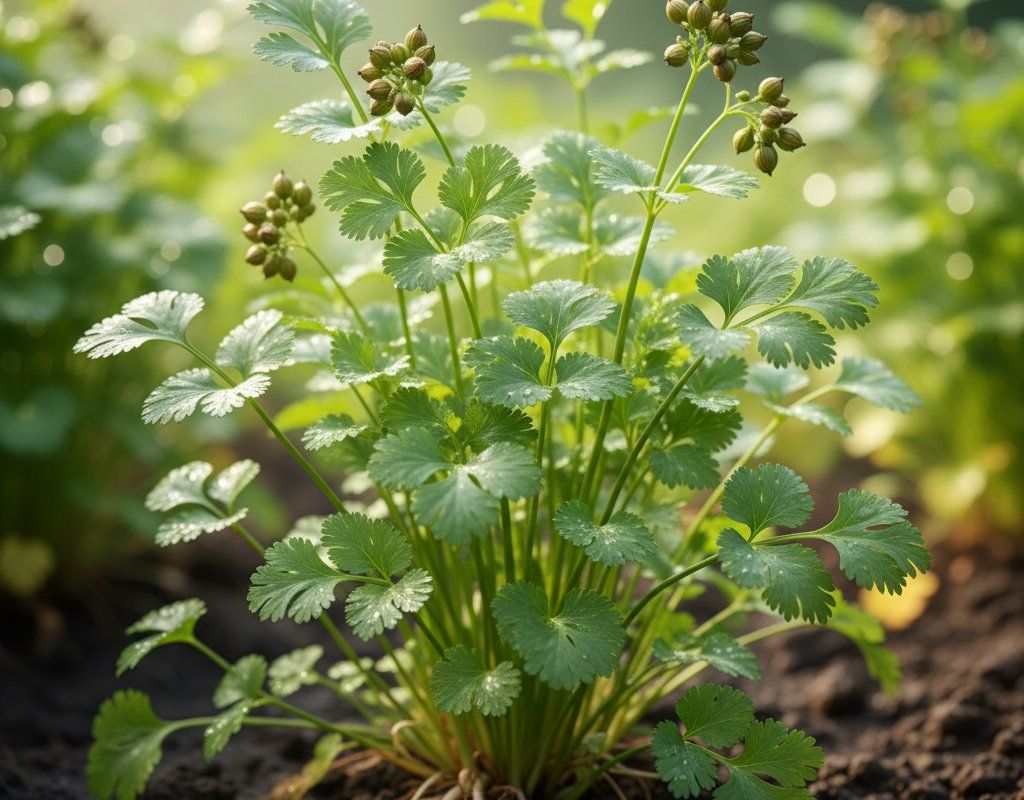
Cilantro in Zone 7B — Pacific Northwest
Coriandrum sativum · Your Complete 2026 Planting Guide
Planning Ahead — Great!
You’re ahead of the season. Here’s when to start.
Mark Your Calendar
How to Plant Cilantro in Zone 7B — Pacific Northwest
Here are all your options for getting cilantro in the ground, from the easiest method to more advanced approaches.
Direct Sow Seeds
RecommendedEarly April through late August
around April 1
Consider succession planting every 2-3 weeks for continuous harvest.
Cilantro bolts quickly in heat. Direct sow in cool weather for best results.
Start Seeds Indoors
RecommendedMid March through early April
around March 18
Then transplant: Mid April through late May
Start seeds 4-6 weeks before transplanting outdoors.
Buy Starts
Works WellMid April through late May
around April 15
Plant purchased starts after last frost (April 15).
Transplant Outdoors
Timing InfoMid April through late May
around April 15
Can tolerate light frost, but wait for soil to be workable.
You have a nice window — no need to rush.
Fall Planting
Late August through late September
September 13 ideal · Direct sow for fall harvest
Plant a second crop in mid-summer for fall harvest. Cilantro actually prefers the cooling temperatures of fall.
Overview
Cilantro thrives in our Pacific Northwest climate, making it one of the most rewarding herbs to grow in Zone 7B. Our mild summers and cool nights create ideal conditions for this heat-sensitive herb, allowing you to harvest fresh leaves for months without the quick bolting that frustrates gardeners in hotter regions. The fresh, bright flavor of homegrown cilantro far surpasses anything from the grocery store, and you'll have constant access for salsas, curries, and Vietnamese pho.
While our wet springs and slow-warming soils can delay planting, cilantro actually benefits from our region's extended cool weather. Our 193-day growing season gives you multiple planting windows from early spring through late summer, and you can often harvest well into November. The key is working with our climate patterns rather than against them.
Starting Seeds Indoors
Starting cilantro indoors makes sense if you want an early harvest or live in a particularly cool microclimate. Start seeds from mid-March through early April, about four weeks before you plan to transplant outside. Our slow Pacific Northwest springs mean there's no rush—you have flexibility within this window.
Use seed trays with good drainage and place them in a warm spot around 65-70°F for germination. Bottom watering works especially well for cilantro since it prevents damping off, which can be an issue during our overcast spring days. Once seedlings emerge, they need bright light—a south-facing window or grow light will keep them from getting leggy.
However, cilantro doesn't love root disturbance, so many PNW gardeners skip indoor starting altogether. The choice depends on whether you want that extra-early harvest or prefer the simplicity of direct sowing.
Transplanting Outdoors
If you've started cilantro indoors, transplant from mid-April through late May once soil temperatures consistently reach 50°F. In our region, this timing usually coincides with when the cherry blossoms finish blooming. Harden off your seedlings gradually over a week, starting with just an hour or two outside and building up to full days.
Space transplants 6-8 inches apart in loose, well-draining soil. Our spring weather can be unpredictable—warm days followed by cool, wet spells—so keep row cover handy for unexpected temperature drops. Cilantro handles light frost just fine, but young transplants appreciate protection from heavy rain and wind.
Choose a spot with morning sun and afternoon shade, especially if you're planting later in the season. This positioning takes advantage of our mild summers while protecting against the stress that causes premature bolting.
Direct Sowing
Direct sowing works beautifully for cilantro in the Pacific Northwest and is often the preferred method. Sow seeds from early April through late August, taking advantage of our long growing season. Early spring sowings (April through May) give you the longest harvest period, while summer sowings provide fall and early winter harvests.
Prepare your soil by working in compost and ensuring good drainage—our wet springs can cause seeds to rot in soggy conditions. Sow seeds ¼ inch deep and 6-8 inches apart, or broadcast more densely and thin later. Cilantro seeds can be slow to germinate in cool soil, so don't worry if emergence takes 2-3 weeks in early spring.
The beauty of direct sowing is succession planting—sow new rows every 2-3 weeks through summer for continuous harvests. Since cilantro bolts quickly once temperatures warm up, these successive plantings ensure you always have young, tender leaves available.
Watering Cilantro in Zone 7B (Pacific Northwest)
Cilantro needs consistent moisture but excellent drainage—a perfect match for our Pacific Northwest watering strategy. During our wet springs, you'll rarely need to water established plants. Focus on ensuring good drainage instead, as waterlogged soil causes root rot and poor growth during those long gray stretches.
Once our dry summer months arrive, water deeply but less frequently to encourage strong root development. Give cilantro about 1 inch of water per week, checking soil moisture with your finger pushed 2 inches down. The soil should feel like a wrung-out sponge—moist but not soggy. Water at the base of plants rather than overhead to prevent leaf diseases, especially important during our humid spring weather.
Watch for signs of stress during warm spells above 80°F—cilantro will bolt quickly if it gets too dry. Mulch around plants with straw or shredded leaves to retain moisture and keep roots cool. This is especially critical for summer sowings that will face our warmest weather.
In late summer and fall, reduce watering as temperatures cool and our autumn rains return. Overwatering during cool, wet weather leads to fungal problems and poor flavor. Let the soil surface dry slightly between waterings once nighttime temperatures drop consistently below 60°F.
🧪Fertilizing Cilantro
Feeding Schedule
Organic Fertilizer Options
Harvest Time
Your first cilantro harvest typically arrives from mid-May through early November, depending on planting time. Plants started in early spring will be ready by late May, about 45 days from sowing. Look for plants that have reached 6 inches tall with several sets of true leaves—this usually happens faster in our mild summers than in hotter regions.
Harvest by cutting outer stems at the base, leaving the center growing point intact for continued production. Take no more than one-third of the plant at once to keep it productive. Fresh morning harvests have the best flavor, especially during our cool Pacific Northwest mornings. The leaves should be bright green and aromatic—if they start looking yellowed or develop a strong, soapy smell, harvest immediately.
Once cilantro sends up its distinctive umbrella-shaped flower stalk (bolting), leaf production stops and flavor becomes bitter. This happens inevitably as days lengthen and warm, but our mild summers extend the leaf-harvest window compared to hotter climates. When bolting begins, cut the entire plant and start your next succession planting.
Continue harvesting through our excellent fall weather until the first hard frost, typically arriving in late October. Light frosts won't hurt cilantro, and the cool nights actually improve leaf flavor. Your last plantings of late August can often provide fresh cilantro well into November.
Common Problems in Zone 7B (Pacific Northwest)
Bolting appears as a tall central flower stalk shooting up from the center of your cilantro plant. The leaves become smaller, tougher, and develop a bitter or soapy flavor once flowering begins. In our Pacific Northwest climate, bolting is triggered more by increasing day length than extreme heat, though any warm spell above 85°F can accelerate the process. Plant cilantro during our naturally shorter days (late summer through early fall) for the longest harvest period. Choose slow-bolt varieties like 'Slow Bolt' or 'Calypso', and keep soil consistently moist during warm weather. Succession plant every 2-3 weeks so you always have young plants producing tender leaves.
Aphids show up as clusters of tiny green, black, or white insects on stem tips and leaf undersides, often accompanied by sticky honeydew residue and curled new growth. These sap-sucking pests multiply rapidly during warm weather and are particularly problematic on stressed plants. Our mild summers actually help control aphid populations compared to hotter regions, but they can still build up during warm spells. Blast them off with a strong spray from your hose, or apply insecticidal soap for heavy infestations. Encourage natural predators like ladybugs and lacewings by planting yarrow and sweet alyssum nearby.
Leaf spot appears as small brown or black spots on cilantro leaves, often with yellow halos around the edges. Leaves may turn yellow and drop prematurely. This fungal disease thrives in our humid spring conditions, especially when plants stay wet for extended periods. Improve air circulation by proper spacing (6-8 inches apart) and avoid overhead watering during cloudy weather. Water at soil level in the morning so leaves dry quickly. Remove affected leaves immediately and consider copper fungicide for severe cases.
Pacific Northwest Specific Challenges: Our region's combination of cool, wet springs followed by dry summers creates unique challenges for cilantro. The slow soil warming delays spring plantings, while late blight pressure from our humid conditions can affect plant health. However, our mild summer temperatures and cool nights actually work in cilantro's favor, preventing the rapid bolting common in hotter climates and extending your harvest window significantly.
Best Companions for Cilantro
Plant these nearby for healthier Cilantro and better harvests.

Keep Away From

Companion Planting Details
Cilantro makes an excellent companion in Pacific Northwest gardens, particularly alongside tomatoes and peppers where it helps repel aphids and provides ground cover during our dry summer months. Plant it near your warm-season crops that benefit from afternoon shade—cilantro's quick growth and eventual flowering attracts beneficial insects just when your tomatoes need pollinators most.
Spinach and other cool-season greens pair beautifully with cilantro since they share similar growing requirements and harvest timing in our climate. Beans also make good neighbors, as cilantro's shallow roots don't compete with deeper bean root systems, and both appreciate consistent moisture during our dry summers. Avoid planting cilantro near fennel, which can cross-pollinate and affect seed production if you plan to collect coriander seeds. Fennel also tends to inhibit the growth of many herbs through allelopathy.
🌸Best Flowers to Plant with Cilantro
These flowers protect your Cilantro from pests and attract pollinators for better harvests.



Get a Reminder When It's Time to Plant
We'll email you when key planting windows open for your zone.