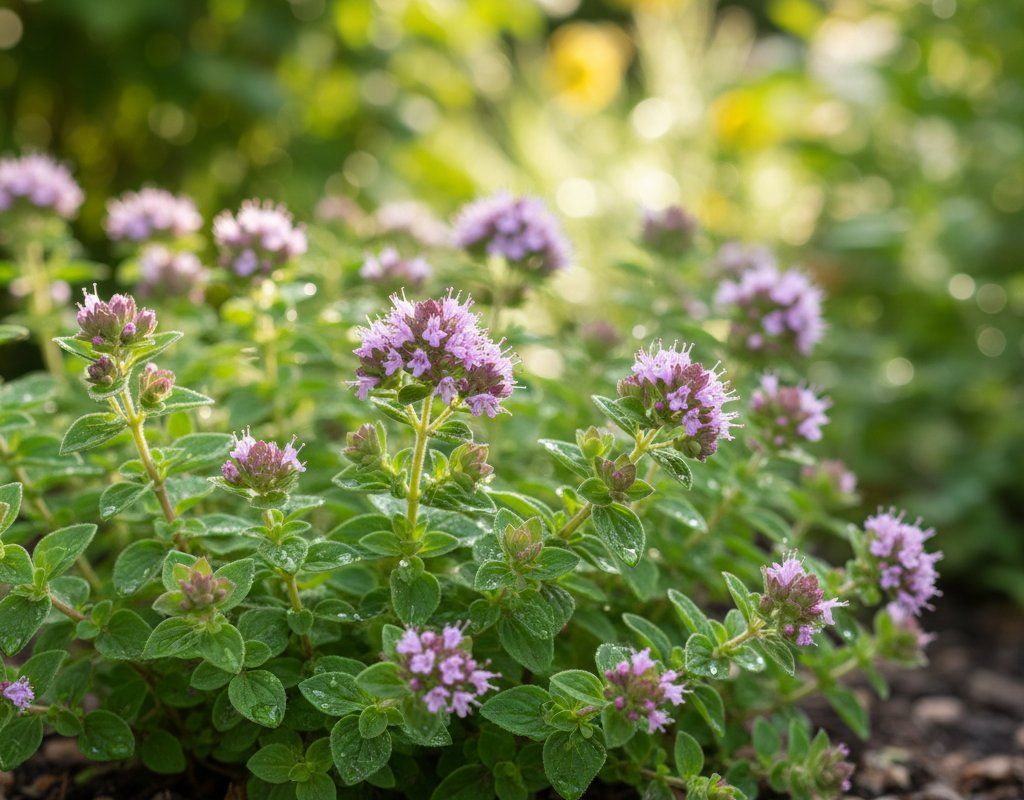
Oregano in Zone 8B — Southeast
Origanum vulgare · Your Complete 2026 Planting Guide
Missed Seed Starting? No Problem!
Wait for starts to become available.
What to Do
Starts will be available at nurseries in 6 days (around March 10).
How to Plant Oregano in Zone 8B — Southeast
Here are all your options for getting oregano in the ground, from the easiest method to more advanced approaches.
Buy Starts
RecommendedEarly March through late April
around March 10
Plant purchased starts after last frost (March 10).
Easy from seed but slow. Starts give faster results.
Start Seeds Indoors
Works WellEarly to late January
around January 13
Then transplant: Early March through late April
Start seeds 8-10 weeks before transplanting outdoors.
Direct Sow Seeds
Works WellEarly March through late September
around March 10
Consider succession planting every 2-3 weeks for continuous harvest.
Transplant Outdoors
Timing InfoEarly March through late April
around March 10
Can tolerate light frost, but wait for soil to be workable.
You have a nice window — no need to rush.
Overview
Oregano is a must-have in any Southeast garden. Its robust flavor elevates everything from grilled veggies to summer sauces, and it's a breeze to grow in our long, warm season. Plus, having fresh oregano on hand means you can skip those sad, dried-out jars at the grocery store.
Sure, our hot and humid summers can bring challenges, but with proper timing and a few smart strategies, you can enjoy a thriving oregano patch. Our extended 255-day growing season gives you plenty of opportunities to plant and harvest this versatile herb.
Starting Seeds Indoors
Starting oregano indoors in early to late January gives you a head start, especially if you want a larger plant sooner. This is especially useful if you're impatient like me. Sow seeds in seed trays filled with a well-draining seed-starting mix, and keep them consistently moist with bottom watering to avoid damping off.
A heat mat helps speed up germination, and once seedlings emerge, provide plenty of light with a grow light. Remember, our spring starts moderate here, so giving your oregano a head start indoors ensures you'll have a good-sized plant ready to go when the weather warms up.
Transplanting Outdoors
Transplant your oregano seedlings outdoors from early March through late April, once the danger of a hard frost has passed. Before planting, harden them off by gradually exposing them to outdoor conditions for about a week. This prevents shock.
Space plants 12-18 inches apart in well-drained soil and choose a spot that gets plenty of sunshine. Even though late freezes are rare, keep an eye on the forecast and be ready to cover your seedlings if temperatures dip unexpectedly.
Direct Sowing
Direct sowing oregano is an easy option in our Southeast climate, thanks to our long growing season. Sow seeds directly into the garden from early March through late September. Choose a sunny spot with well-drained soil.
Gently press the seeds into the soil surface, keeping them consistently moist until they germinate. Thin seedlings to 12-18 inches apart once they're a few inches tall. Direct sowing is convenient, but remember that seedlings will take longer to mature compared to transplants.
Watering Oregano in Zone 8B (Southeast)
Oregano is drought-tolerant once established, making it a great choice for our Southeast gardens, where we often have periods of intense heat. However, consistent watering is crucial during the first few weeks after planting. After that, let the soil dry out slightly between waterings.
Stick your finger about two inches deep into the soil – if it feels dry, it's time to water. Aim for about an inch of water per week, especially during our hot summer months. Water at the base of the plant to avoid wetting the foliage, which can encourage fungal diseases in our humid climate.
Keep an eye out for signs of overwatering, such as yellowing leaves and wilting, or underwatering, such as dry, crispy leaves. A layer of mulch, like pine straw or shredded hardwood, helps retain moisture and suppress weeds.
Pruning & Maintaining Oregano
Oregano requires minimal pruning, which is great for us busy gardeners here in the Southeast. In midsummer, cut back the plants by about one-third to encourage fresh growth and prevent them from becoming leggy. This also keeps them more compact.
Throughout the season, you can pinch off any flowers that appear to maintain the plant's flavor and keep it producing leaves. In late fall, after the first frost around mid- November, cut the plants back to about two inches above the ground.
🧪Fertilizing Oregano
Feeding Schedule
Organic Fertilizer Options
Harvest Time
You can start harvesting oregano as soon as the plants are about 4 inches tall, typically from late April through late November in our region. The flavor is most intense just before the plant flowers, so that's the ideal time to harvest.
To harvest, simply cut the stems above a leaf pair, which encourages the plant to branch out and produce more leaves. Regular harvesting keeps the plant productive throughout our long growing season.
As our first frost approaches around mid- November, harvest as much oregano as you can and dry or freeze it for use during the winter months. Even if you don't harvest everything, the plant is hardy and should return next spring.
Common Problems in Zone 8B (Southeast)
Here are the top problems you might encounter with oregano in the Southeast:
Root Rot
- What it looks like: Yellowing leaves, wilting, and mushy, brown roots.
- What causes it: Overwatering and poorly drained soil. Our heavy clay soil, combined with our wet summers, can create ideal conditions for root rot.
- How to fix/prevent it: Plant oregano in well-drained soil, and avoid overwatering. Amend heavy clay soil with compost to improve drainage. Consider growing oregano in raised beds or containers.
Aphids
- What it looks like: Clusters of tiny green, black, or white insects on stems and leaf undersides. Sticky honeydew residue and curled or distorted new growth.
- What causes it: Rapid-reproducing sap-sucking insects that thrive in warm weather. Ant colonies may farm them for honeydew.
- How to fix/prevent it: Strong water spray knocks them off. Encourage ladybugs and lacewings (natural predators). Insecticidal soap for heavy infestations. Neem oil works systemically. Avoid excess nitrogen fertilizer (it attracts them).
Spider Mites
- What it looks like: Fine stippling on leaves (tiny white dots). Fine webbing on leaf undersides and between stems. Leaves turn bronze or yellow.
- What causes it: Tiny arachnids that thrive in hot, dry conditions. Populations explode during periods of drought stress.
- How to fix/prevent it: Strong water spray (daily for a week) is the best treatment. Increase humidity around plants. Neem oil or insecticidal soap. Release predatory mites (Phytoseiulus persimilis). Avoid broad-spectrum pesticides that kill predators.
Southeast Specific Challenges: Our hot, humid summers and frequent afternoon thunderstorms create ideal conditions for fungal diseases and pests. Ensure good air circulation around your oregano plants, and monitor them regularly for any signs of trouble.
Best Companions for Oregano
Plant these nearby for healthier Oregano and better harvests.

Keep Away From
Companion Planting Details
Oregano makes a great companion plant for many vegetables in the Southeast garden. It benefits peppers, tomatoes, squash, and beans by repelling pests like aphids and bean beetles. Its strong scent can also deter deer, which can be a problem in some areas.
There are no significant bad companions for oregano. However, avoid planting it near fennel, as they can inhibit each other's growth.
🌸Best Flowers to Plant with Oregano
These flowers protect your Oregano from pests and attract pollinators for better harvests.
For Pest Control



Get a Reminder When It's Time to Plant
We'll email you when key planting windows open for your zone.