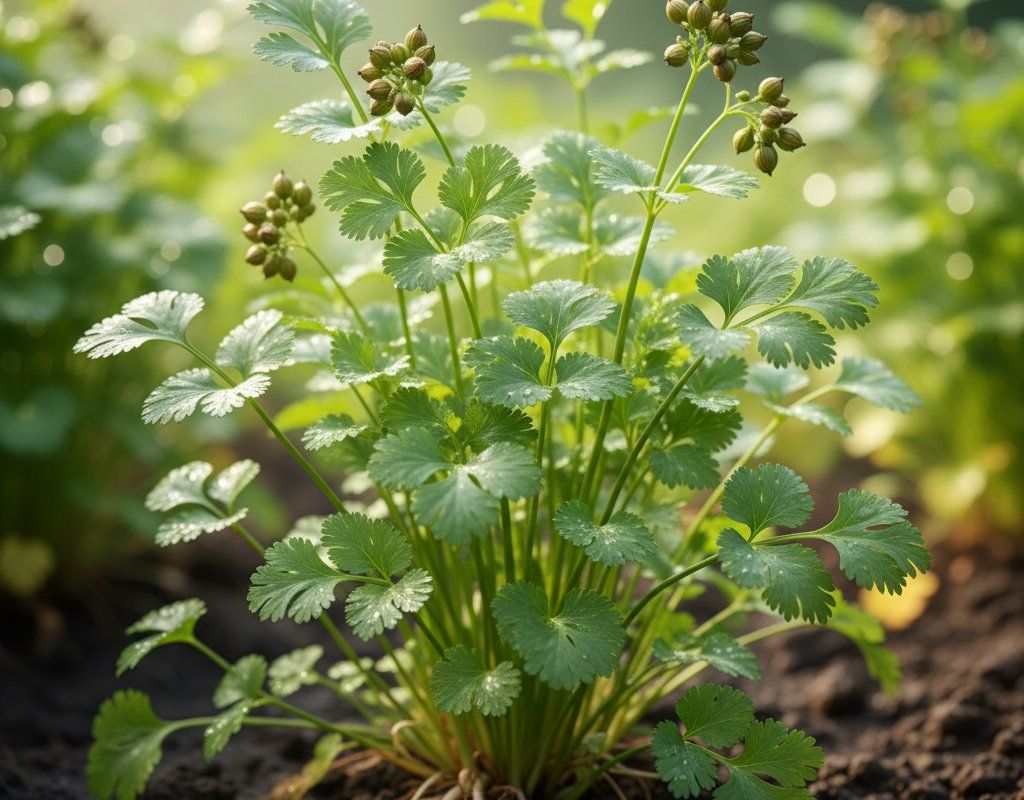
Cilantro in Zone 5A — Northeast
Coriandrum sativum · Your Complete 2026 Planting Guide
Planning Ahead — Great!
You’re ahead of the season. Here’s when to start.
Mark Your Calendar
How to Plant Cilantro in Zone 5A — Northeast
Here are all your options for getting cilantro in the ground, from the easiest method to more advanced approaches.
Direct Sow Seeds
RecommendedMid April through early August
around April 17
Consider succession planting every 2-3 weeks for continuous harvest.
Cilantro bolts quickly in heat. Direct sow in cool weather for best results.
Start Seeds Indoors
RecommendedLate March through mid April
around April 3
Then transplant: Early May through mid June
Start seeds 4-6 weeks before transplanting outdoors.
Buy Starts
Works WellEarly May through mid June
around May 1
Plant purchased starts after last frost (May 1).
Transplant Outdoors
Timing InfoEarly May through mid June
around May 1
Can tolerate light frost, but wait for soil to be workable.
You have a nice window — no need to rush.
Fall Planting
Early August through early September
August 20 ideal · Direct sow for fall harvest
Plant a second crop in mid-summer for fall harvest. Cilantro actually prefers the cooling temperatures of fall.
Overview
Cilantro thrives in our Northeast climate better than most regions, thanks to our cool nights and moderate summers that keep this finicky herb from bolting too quickly. The 82°F typical summer highs are perfect for cilantro — hot enough for good growth but not so scorching that it immediately goes to seed like it does in hotter climates. You'll get the most flavorful leaves here since cool nights concentrate the essential oils that give cilantro its distinctive taste.
Our 153-day growing season might seem short, but it's actually ideal for cilantro since you can succession plant every 2-3 weeks from spring through late summer. Yes, our late spring start means you can't get going as early as gardeners further south, but that actually works in your favor — cilantro hates heat more than it minds a later start. Time your plantings right, and you'll have fresh cilantro from early June straight through to the first hard frost in early October.
Starting Seeds Indoors
Starting cilantro indoors makes sense if you want to maximize your growing season or get a jump on spring plantings. Sow seeds in seed trays from late March through mid-April, about 4 weeks before you plan to transplant outside. Cilantro seeds are fairly large and easy to handle, so plant them about ¼ inch deep in seed starting mix.
Keep the trays at around 65-70°F for germination, which usually takes 7-10 days. Once seedlings emerge, give them plenty of light — either under grow lights for 12-14 hours daily or in a sunny south-facing window. Bottom watering works best to avoid disturbing the delicate seedlings and prevents damping-off issues that can plague herbs started indoors.
Since our Northeast springs start late, indoor starting gives you a 3-4 week head start on the season. Just remember that cilantro doesn't love root disturbance, so handle transplants gently and consider using biodegradable pots that can go directly into the ground.
Transplanting Outdoors
Transplant your cilantro seedlings from early May through mid-June, once the soil has warmed and the threat of hard frost has passed. In our zone, early May is usually safe, but keep an eye on late-season cold snaps that can surprise us well into mid-May. Harden off seedlings for about a week first — start with 2-3 hours outside in a protected spot, gradually increasing exposure time.
Space transplants 6-8 inches apart to give them room to develop full, bushy plants. Cilantro appreciates some afternoon shade during our warmest summer days, so morning sun with some protection from the hottest part of the day works well. Plant them at the same depth they were growing in their containers.
Water transplants thoroughly after planting and keep the soil consistently moist for the first week while they establish. Our spring weather can be unpredictable with warm days followed by chilly nights, so be prepared to cover young plants if temperatures are forecast to drop into the mid-30s.
Direct Sowing
Direct sowing works beautifully for cilantro in our Northeast climate, especially for succession plantings throughout the season. Sow seeds from mid-April through early August, spacing them 6-8 inches apart and planting about ¼ inch deep. The soil should be at least 50°F for good germination — use a soil thermometer if you're unsure.
Direct sowing in mid-to-late April takes advantage of our cool spring weather, which cilantro loves. The plants that emerge from direct sowing often perform better than transplants since they don't experience transplant shock. For continuous harvests, sow new rows every 2-3 weeks through July.
Early spring sowings (mid-April to early May) will give you harvest through early summer, while later sowings from mid-July through early August provide fresh cilantro for fall cooking. Our moderate summer temperatures make multiple plantings possible — something gardeners in hotter climates can't do. Just avoid sowing during the hottest part of summer (late June through mid-July) when even our moderate heat can cause quick bolting.
Watering Cilantro in Zone 5A (Northeast)
Cilantro needs consistent moisture to prevent bolting, and our Northeast climate makes this easier than in many regions. Aim for about 1 inch of water per week, including rainfall. Since we typically get 40-50 inches of rain annually with fairly even distribution, you won't need to water as frequently as gardeners in drier climates, but you'll still need to supplement during dry spells.
Check soil moisture by sticking your finger 2 inches deep — if it's dry at that level, it's time to water. During our moderate-to-humid summers, morning watering at the base of plants works best. This gives leaves time to dry before evening, reducing the risk of fungal diseases that thrive in our humid conditions. Avoid overhead watering late in the day when humidity tends to be higher.
Watch for signs of stress: wilting during the heat of the day (even at our moderate 82°F highs) or yellowing lower leaves often indicate the plant is getting ready to bolt due to water stress. Overwatering shows up as yellow, mushy leaves and poor growth. The key is keeping soil consistently moist but not waterlogged — our clay-rich Northeast soils can hold too much water if you're not careful.
A light mulch of grass clippings or shredded leaves helps retain moisture and keeps soil temperatures cool, which cilantro appreciates. This is especially helpful during those July heat waves when even our moderate temperatures can stress cool-season crops like cilantro.
🧪Fertilizing Cilantro
Feeding Schedule
Organic Fertilizer Options
Harvest Time
You can start harvesting cilantro leaves about 45 days after planting, typically by early June for spring plantings. Look for plants that are at least 6 inches tall with several sets of true leaves. The best flavor comes from young, tender leaves before the plant starts thinking about flowering.
Harvest by cutting outer stems at the base rather than just picking individual leaves. This encourages the plant to produce more stems from the center, giving you a continuous supply. Cut in the morning when essential oils are at their peak concentration — our cool Northeast nights help concentrate these flavors better than in warmer climates.
Keep harvesting regularly to prevent bolting. Once you see a flower stalk forming in the center, the leaves will become more bitter and less tender. In our climate, you can often get 6-8 weeks of good leaf production from each planting if you keep up with harvest and the weather cooperates. For fall plantings, you'll have fresh cilantro right up until the first hard frost in early October.
As the season progresses, let one or two plants bolt and go to seed to collect coriander seeds for cooking and next year's planting. The flowers also attract beneficial insects like lacewings and tiny parasitic wasps that help control garden pests.
Common Problems in Zone 5A (Northeast)
Bolting shows up as a central flower stalk shooting up from the middle of the plant, often seemingly overnight. The leaves become smaller, more pointed, and increasingly bitter as the plant shifts energy to seed production. In our Northeast climate, bolting usually happens when we get those surprise warm spells in late May or June, or when plants get stressed by inconsistent watering.
Plant at the right time for our zone — avoid sowings in late June and early July when even our moderate heat can trigger bolting. Choose slower-bolting varieties like 'Slow Bolt' or 'Leisure' for summer plantings. Keep soil consistently moist and provide some afternoon shade during the warmest days. Succession planting every 2-3 weeks ensures you always have young, tender plants coming along.
Aphids appear as clusters of tiny green, black, or white insects on stems and undersides of leaves, often with a sticky honeydew residue. New growth may curl or become distorted. Our moderate-to-humid summers create conditions where aphid populations can explode quickly, especially on tender cilantro leaves.
A strong spray of water from the hose knocks most aphids off and they rarely find their way back. Encourage beneficial insects like ladybugs and lacewings by planting alyssum and other small flowers nearby. For heavy infestations, insecticidal soap works well in our humid climate — apply in the early morning so it doesn't interfere with beneficial insects later in the day.
Leaf spot appears as brown or black spots on leaves, often with yellow halos around them. This fungal disease thrives in our humid conditions, especially when overhead watering gets leaves wet late in the day. Spots usually start on lower, older leaves and work their way up the plant.
Water at the base of plants rather than overhead, especially important in our humid Northeast climate. Ensure good air circulation by proper spacing and avoiding overcrowded plantings. Remove affected leaves immediately and dispose of them in the trash, not the compost pile. Copper fungicides can help if caught early, but prevention through proper watering and spacing is more effective.
Northeast Specific Challenges: Our moderate heat and moderate-to-humid conditions actually favor cilantro compared to hotter regions, but the humidity can promote fungal issues if you're not careful with watering practices. The even rainfall distribution helps maintain consistent soil moisture, but watch for those dry spells in July and August when cilantro can bolt quickly if stressed.
Best Companions for Cilantro
Plant these nearby for healthier Cilantro and better harvests.

Keep Away From

Companion Planting Details
Cilantro makes an excellent companion for tomatoes, peppers, and beans in our Northeast gardens. It helps repel aphids and spider mites that commonly attack these warm-season crops during our moderate summer temperatures. Plant cilantro around the base of tomato plants or in rows between pepper plantings — the cilantro will appreciate the slight shade these taller plants provide during the hottest part of our summer days.
Spinach and cilantro work beautifully together as cool-season companions, sharing similar water and light requirements. Both prefer the same timing in our short growing season and can be succession planted together every few weeks. Avoid planting cilantro near fennel — they're both in the umbellifer family and can cross-pollinate, affecting flavor and growth. The strong scent of fennel can also interfere with cilantro's natural pest-repelling properties that make it such a valuable companion plant.
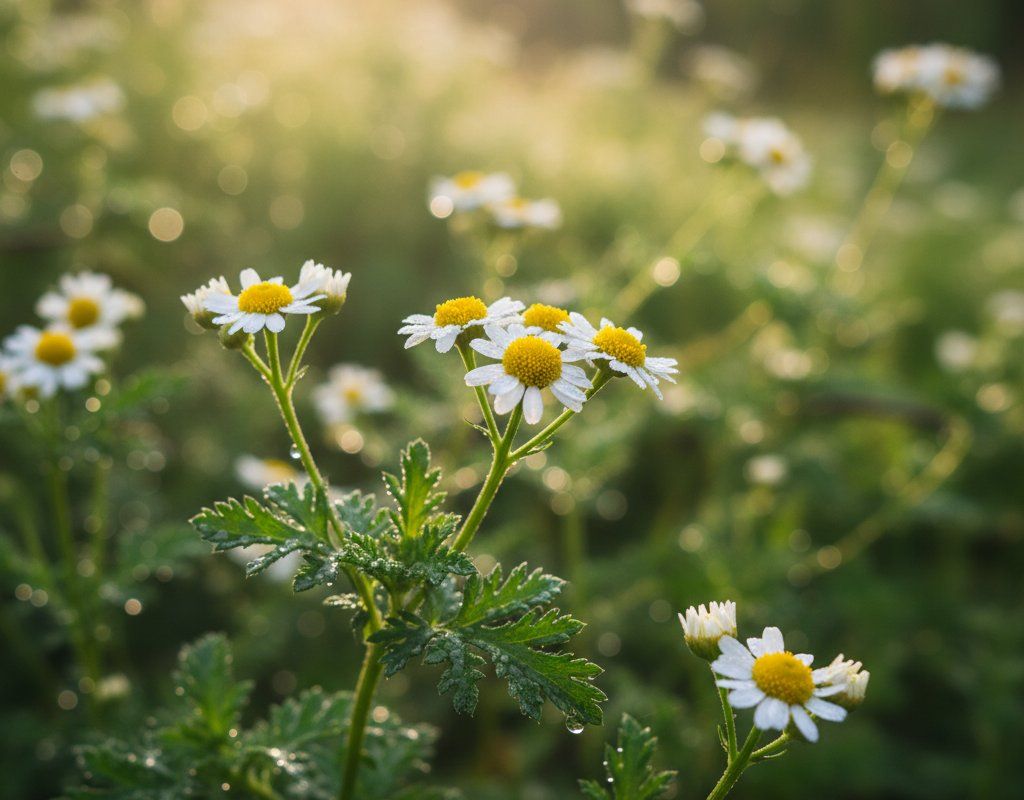
🌸Best Flowers to Plant with Cilantro
These flowers protect your Cilantro from pests and attract pollinators for better harvests.



Get a Reminder When It's Time to Plant
We'll email you when key planting windows open for your zone.