
Mint in Zone 5B — Mid-Atlantic
Mentha spp. · Your Complete 2026 Planting Guide
Last Call for Seed Starting!
Indoor seed starting window closes in 5 days.
Start Seeds This Week
Start seeds now for transplanting later.
Or Wait for Starts
If you don’t want to start seeds, starts will be available around April 20.
How to Plant Mint in Zone 5B — Mid-Atlantic
Here are all your options for getting mint in the ground, from the easiest method to more advanced approaches.
Buy Starts
RecommendedMid April through mid May
around April 20
Plant purchased starts after last frost (April 20).
Buy starts or get divisions from another gardener. Mint spreads aggressively — consider containers.
Start Seeds Indoors
Works WellMid February through early March
around February 23
Then transplant: Mid April through mid May
Start seeds 8-10 weeks before transplanting outdoors.
Direct Sow Seeds
ChallengingDirect sowing is not typical for Mint.
Transplant Outdoors
Timing InfoMid April through mid May
around April 20
Can tolerate light frost, but wait for soil to be workable.
You have a nice window — no need to rush.
Overview
Mint is a fantastic addition to any Mid-Atlantic garden. Its refreshing flavor elevates everything from summer drinks to savory dishes, and it's incredibly satisfying to snip fresh sprigs right outside your door. Plus, it thrives in our four distinct seasons, bringing a burst of green even as other plants fade.
Our humid summers can present challenges, but with proper timing and care, you can easily manage a thriving mint patch. Our 178-day growing season gives you ample opportunity to enjoy fresh mint from spring through fall, and even into the early winter with a little protection.
Starting Seeds Indoors
Starting mint from seed indoors is possible, but honestly, it's often easier to buy starts or get a division from a friend. If you're set on starting from seed, begin in mid-February through early March, about eight weeks before the last expected frost. Use seed trays and a good seed-starting mix, ensuring warmth (a heat mat helps) and plenty of light, either from a grow light or a very sunny windowsill.
Bottom watering is your friend here – place the seed tray in a shallow dish of water and let the soil soak it up from the bottom. This prevents damping off and keeps the delicate seedlings happy. Our moderate spring means you have some leeway if you get a late start, but aim for this window for best results.
Transplanting Outdoors
Transplant your mint seedlings outdoors in mid-April through mid-May, once the danger of hard frost has passed. Before planting, harden off your seedlings by gradually exposing them to outdoor conditions for about a week. This helps them adjust to the stronger sunlight and cooler temperatures.
Space your mint plants 18-24 inches apart, but seriously consider planting them in containers. Mint is notorious for spreading aggressively and can quickly take over your garden. Our variable spring weather means you might still need to protect young plants from unexpected cold snaps, so keep some row covers handy.
Watering Mint in Zone 5B (Mid-Atlantic)
Mint loves consistently moist soil, which can be a bit of a balancing act in our Mid-Atlantic climate with its humid summers and even rainfall. Aim to keep the soil consistently damp, but not waterlogged. The "finger test" is your best friend: stick your finger about two inches into the soil. If it feels dry, it's time to water.
During the hotter months of July and August, you'll likely need to water your mint deeply a couple of times per week, providing about an inch of water each time. Water at the base of the plant to avoid wetting the foliage, as our humid conditions can encourage fungal diseases. Signs of underwatering include wilting leaves, while yellowing leaves can indicate overwatering.
Mulching around your mint plants with straw or wood chips helps retain moisture and suppress weeds. In our region, this is especially helpful for keeping the soil cool and consistently moist during those hot, humid stretches.
Pruning & Maintaining Mint
Pruning mint is essential, not just for harvesting, but also for controlling its vigorous growth. Throughout the growing season, from spring to fall, regularly harvest entire stems by cutting them back to just above a leaf node. This encourages bushier growth and prevents the plant from flowering, which can reduce leaf flavor.
Don't be afraid to cut back aggressively – mint can handle it! If you notice the plant getting too leggy or spreading too far, give it a good haircut. As the first frost approaches in mid-October, you can give your mint one final trim, leaving a few inches of growth to overwinter.
🧪Fertilizing Mint
Feeding Schedule
Organic Fertilizer Options
Harvest Time
You can expect your first mint harvest from mid-June through early August, about 60 days after transplanting. The best time to harvest is before the plant flowers, as the leaves are most flavorful then. Look for vibrant green leaves and stems that are firm and fragrant.
To harvest, simply snip off stems with scissors or pruning shears. Pinching off flower buds as they appear will encourage continued leaf production throughout the season. Continue harvesting regularly to keep the plant productive and prevent it from going to seed.
As the first frost approaches in mid-October, harvest any remaining mint leaves and either dry them for later use or freeze them for fresh flavor throughout the winter. A simple way to freeze them is to chop the leaves, put them in ice cube trays, cover with water, and freeze.
Common Problems in Zone 5B (Mid-Atlantic)
Mint, like any plant, can have its share of problems in the Mid-Atlantic. Here are a few common issues to watch out for:
Rust *What it looks like:* Rusty orange, yellow, or brown pustules on leaves and stems, mostly on undersides. Leaves yellow and drop prematurely. *What causes it:* Various rust fungi that spread via wind-borne spores. Favored by our warm, humid conditions with moisture on leaves. *How to fix/prevent it:* Remove affected leaves immediately. Avoid overhead watering. Improve air circulation by spacing plants appropriately. Apply sulfur or copper fungicide if necessary. Don't work among wet plants, and rotate crops to prevent recurrence.
Spider Mites *What it looks like:* Fine stippling on leaves (tiny white dots). Fine webbing on leaf undersides and between stems. Leaves turn bronze or yellow. *What causes it:* Tiny arachnids that thrive in hot, dry conditions. Populations can explode during periods of drought stress. *How to fix/prevent it:* A strong water spray (daily for a week) is the best treatment. Increase humidity around plants. Neem oil or insecticidal soap can also be effective. Release predatory mites (Phytoseiulus persimilis) if the infestation is severe. Avoid broad-spectrum pesticides that kill beneficial predators.
Invasive Spreading *What it looks like:* Mint popping up everywhere you don't want it – in your lawn, flower beds, and even creeping into your neighbor's yard! *What causes it:* Mint spreads rapidly through underground rhizomes (roots). It's very aggressive and can quickly take over if not contained. *How to fix/prevent it:* The best solution is to plant mint in containers, either above ground or buried in the ground. This will prevent the rhizomes from spreading. If you already have mint growing in the ground, you can try digging it up and containing it in a smaller area, but this can be difficult.
Powdery Mildew *What it looks like:* White or grayish powdery coating on leaves, stems, and sometimes fruit. Leaves curl, yellow, and die. Reduces plant vigor. *What causes it:* Various fungi that thrive in warm days, cool nights, and moderate humidity – conditions we often experience in the Mid-Atlantic. Dry leaf surfaces actually favor it (unlike most fungi). *How to fix/prevent it:* Improve air circulation through spacing and pruning. Remove affected leaves promptly. Neem oil or potassium bicarbonate sprays can help. A milk spray (1 part milk to 9 parts water) is surprisingly effective.
Mid-Atlantic Specific Challenges: Our moderate-to-hot heat, humid humidity, and even rainfall can create ideal conditions for fungal diseases like rust and powdery mildew. Good air circulation and avoiding overhead watering are key to preventing these problems. And always be vigilant about containing mint's aggressive spreading!
Best Companions for Mint
Plant these nearby for healthier Mint and better harvests.
View Full Companion Planting Chart →



Companion Planting Details
Mint can be a valuable companion plant in your Mid-Atlantic garden. It's a great companion for tomatoes and peppers, as its strong scent can deter pests like aphids and flea beetles. It also works well with cabbage and broccoli, helping to repel cabbage moths and other brassica pests.
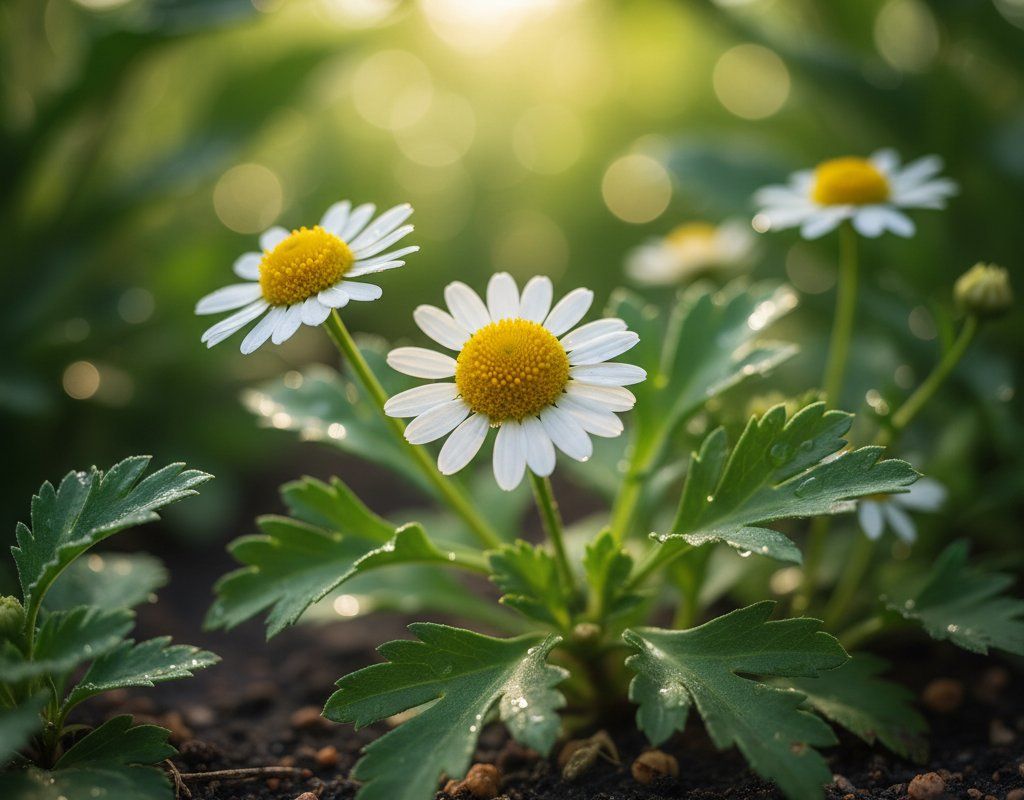
Avoid planting mint near parsley and chamomile. Parsley is said to compete with mint for resources, while chamomile's growth can be stunted by mint's allelopathic properties (releasing chemicals that inhibit the growth of other plants).
🌸Best Flowers to Plant with Mint
These flowers protect your Mint from pests and attract pollinators for better harvests.
For Pest Control

For Pollinators

Get a Reminder When It's Time to Plant
We'll email you when key planting windows open for your zone.