
Parsley in Zone 6A — Southeast
Petroselinum crispum · Your Complete 2026 Planting Guide
Missed Seed Starting? No Problem!
Wait for starts to become available.
What to Do
Starts will be available at nurseries in 23 days (around March 27).
How to Plant Parsley in Zone 6A — Southeast
Here are all your options for getting parsley in the ground, from the easiest method to more advanced approaches.
Direct Sow Seeds
RecommendedLate March through early August
around March 27
Consider succession planting every 2-3 weeks for continuous harvest.
Parsley is slow to germinate (2-4 weeks). Soaking seeds helps.
Start Seeds Indoors
RecommendedLate January through mid February
around January 30
Then transplant: Late March through late April
Start seeds 8-10 weeks before transplanting outdoors.
Start indoors 8-10 weeks early due to slow germination.
Buy Starts
Works WellLate March through late April
around March 27
Plant purchased starts after last frost (April 10).
Transplant Outdoors
Timing InfoLate March through late April
around March 27
Can tolerate light frost, but wait for soil to be workable.
You have a nice window — no need to rush.
Fall Planting
Early August through early September
August 23 ideal · Direct sow for fall harvest
Plant a second crop in mid-summer for fall harvest. Parsley actually prefers the cooling temperatures of fall.
Overview
Parsley thrives in our Southeast climate and makes perfect sense for Zone 6A gardens. This hardy herb loves our long 198-day growing season and handles our hot, humid summers better than many delicate herbs. You'll get fresh parsley from early June through our first frost in late October, and unlike store-bought parsley that wilts in days, homegrown stays crisp for weeks.
Our Southeast springs can swing between cool and warm, but parsley's hardy nature makes timing forgiving. While our summer heat and humidity create disease pressure for some crops, parsley actually appreciates partial shade during the hottest months. The key is getting established before the real heat hits and keeping consistent moisture through those afternoon thunderstorms.
Starting Seeds Indoors
Starting parsley indoors makes sense if you want an early harvest, though it's not essential in our climate. Start seeds in late January through mid-February, about 8 weeks before you plan to transplant outdoors. Parsley seeds are notoriously slow to germinate — expect 2-4 weeks even under ideal conditions.
Use standard seed-starting trays with good drainage and keep soil consistently moist through bottom watering. A heat mat helps, but isn't critical since parsley tolerates cool soil. Keep them under grow lights or in a sunny window once they sprout.
The main advantage of starting indoors is getting a jump on the season, but honestly, direct sowing works just as well in our moderate Southeast springs. Indoor starts make most sense if you want parsley ready by late May rather than waiting until July.
Transplanting Outdoors
Transplant your indoor-started parsley seedlings from late March through late April, after our last frost risk passes in early April. These seedlings are tough and can handle light frosts, but wait for consistently cool nights rather than risking a late cold snap.
Harden them off gradually over a week — start with 2-3 hours outdoors in filtered shade, then increase exposure daily. By day seven, they should handle full outdoor conditions. Our Southeast spring weather can shift quickly, so watch for sudden temperature drops during this period.
Space plants 6-10 inches apart in your garden. Closer spacing works fine if you plan to harvest frequently, wider spacing if you want larger plants. Plant at the same depth they were growing in their containers and water thoroughly after transplanting.
Direct Sowing
Direct sowing parsley works well in our Southeast climate from late March through early August. The advantage is no transplant shock, and parsley's taproot develops better when grown in place. The downside is that slow germination period when you're wondering if anything will happen.
Soak seeds overnight before planting — this cuts germination time from 3-4 weeks down to 2 weeks. Plant seeds ¼ inch deep in well-prepared soil, spacing them about 2 inches apart. You'll thin to final spacing of 6-10 inches once seedlings are established.
Keep the soil consistently moist during germination, which can be tricky during our variable spring weather. Mark your rows clearly since it takes so long to see results. For fall plantings, sow in early August through early September — the consistent late summer warmth actually speeds germination compared to spring.
Watering Parsley in Zone 6A (Southeast)
Parsley needs consistent moisture but not soggy conditions — think of it as steady, moderate watering rather than feast or famine. In our Southeast climate, this translates to about 1 inch of water per week during spring and fall, increasing to 1.5 inches during hot summer months when temperatures hit the 90s regularly.
Our 45-55 inches of annual rainfall means you'll often get help from afternoon thunderstorms, but don't rely on them completely. Check soil moisture with the finger test — stick your finger 2 inches down, and if it's dry, it's time to water. During germination, keep the top inch consistently moist since those slow-sprouting seeds need steady moisture.
Water at the base rather than overhead, especially during our humid summers when wet foliage invites fungal problems. Early morning watering works best since it gives plants time to dry before evening humidity settles in. Mulch around plants with 2 inches of shredded leaves or straw to maintain consistent soil moisture.
Watch for signs of stress in our heat — wilting during the hottest part of the day is normal, but plants should perk up by evening. If leaves stay limp or turn yellow, you're either overwatering (common in our clay soil) or underwatering (more likely during dry spells between storms).
🧪Fertilizing Parsley
Feeding Schedule
Organic Fertilizer Options
Harvest Time
Your first parsley harvest will be ready from early June through early November, about 70 days from seeding. Look for outer stems with at least three distinct segments — these are mature enough to cut. Always harvest from the outside of the plant, leaving the center growing point intact.
Cut stems at the base near soil level rather than pinching tips. This encourages new growth from the crown and keeps plants productive longer. Take what you need regularly rather than letting stems get tough and overgrown. Fresh parsley keeps well in the refrigerator for 1-2 weeks when stored properly.
Parsley is biennial, meaning it produces leaves the first year and flowers the second year. In our Zone 6A climate, plants often survive mild winters and bolt to seed the following spring. For continuous leaf production, treat it as an annual and replant each season.
As our first frost approaches in late October, harvest heavily and preserve what you can't use fresh. Parsley freezes well chopped and stored in ice cube trays with water, or you can dry it for winter use. The plants usually survive light frosts but quality declines once flowering begins.
Common Problems in Zone 6A (Southeast)
Slow Germination Parsley seeds can take 2-4 weeks to sprout, leaving you wondering if they're viable. You'll see nothing happening while weeds pop up all around your carefully planted rows. This is normal but frustrating, especially in our variable Southeast spring weather.
Slow germination is just parsley's nature — the seeds have a hard coat that takes time to soften. Soaking seeds overnight before planting helps, and maintaining consistent soil moisture is critical. Mark your rows clearly and be patient. Fresh seeds germinate better than old ones, so check your seed packet dates.
Crown Rot Your parsley plants suddenly wilt and collapse at soil level, with the crown turning black and mushy. This often happens during our humid summers, especially after periods of heavy rain followed by heat. The base of the plant essentially rots away while the top looks fine initially.
Crown rot thrives in our hot, humid conditions combined with poor drainage. Our clay soil makes this worse by holding too much moisture around plant crowns. Improve drainage by working compost into heavy soil and avoid overhead watering. Plant in slightly raised beds if your soil stays soggy after thunderstorms.
Carrot Rust Fly Small dark flies hover around your parsley plants, and you notice the leaves starting to wilt despite adequate water. If you dig up plants, you'll find rusty brown tunnels in any taproot development. This pest targets all members of the carrot family, including parsley.
The flies lay eggs near plant stems, and the resulting maggots tunnel into roots. Row covers provide the best protection, especially during peak fly periods in late spring and early fall. Interplanting with onions helps confuse the flies with competing scents, and harvesting promptly reduces damage.
Southeast Specific Challenges Our hot, humid summers create perfect conditions for fungal diseases on parsley foliage, especially when combined with afternoon thunderstorms that keep leaves wet. Japanese beetles occasionally chew parsley leaves, though they prefer other plants. The combination of clay soil and heavy summer rains often creates drainage issues that stress plants and encourage root problems.
Best Companions for Parsley
Plant these nearby for healthier Parsley and better harvests.
View Full Companion Planting Chart →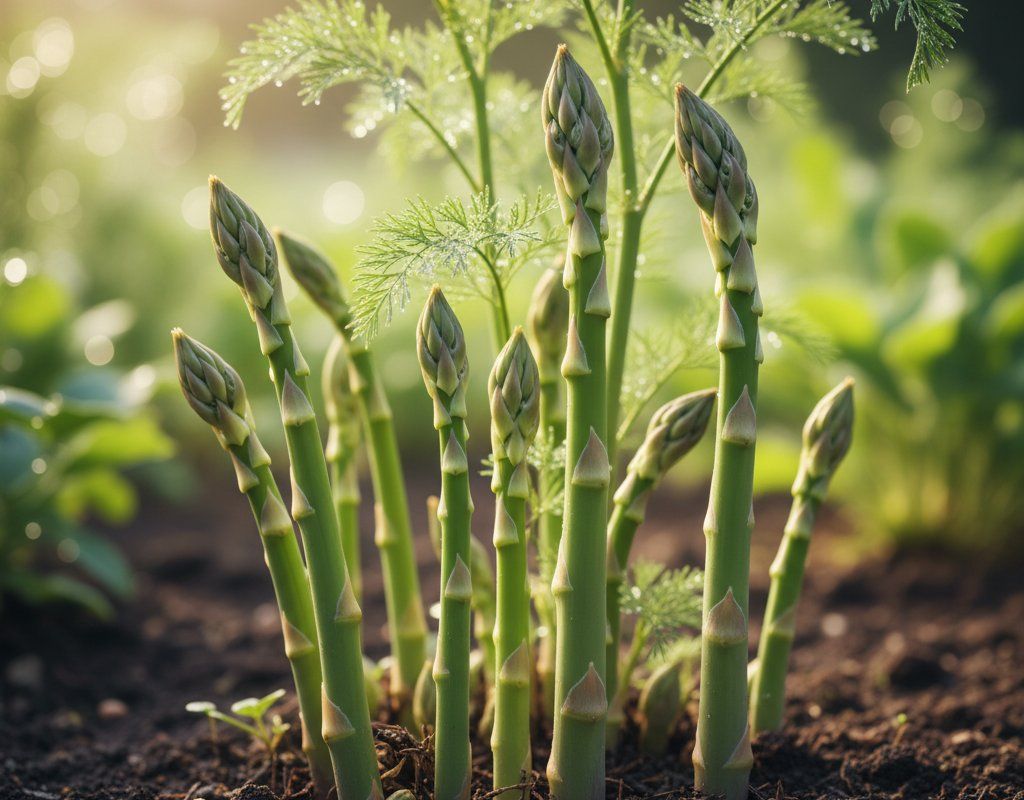



Companion Planting Details
Parsley makes an excellent companion for tomatoes, asparagus, and corn in Southeast gardens. Plant it near tomatoes to help repel aphids and add minerals to the soil through its deep taproot — plus you'll have both ingredients for cooking within easy reach. Around asparagus beds, parsley's strong scent helps mask the asparagus smell that attracts asparagus beetles. Near corn, it attracts beneficial insects that prey on corn earworms.
Avoid planting parsley near lettuce, which has similar water needs but different temperature preferences — the parsley will outlast lettuce in our summer heat, creating awkward spacing issues. Keep it away from mint, which spreads aggressively and will eventually crowd out the more refined parsley plants. Both herbs also attract similar pests, concentrating problems rather than distributing them.
🌸Best Flowers to Plant with Parsley
These flowers protect your Parsley from pests and attract pollinators for better harvests.
For Pest Control




Get a Reminder When It's Time to Plant
We'll email you when key planting windows open for your zone.