
Basil in Zone 6A — Southeast
Ocimum basilicum · Your Complete 2026 Planting Guide
Planning Ahead — Great!
You’re ahead of the season. Here’s when to start.
Mark Your Calendar
How to Plant Basil in Zone 6A — Southeast
Here are all your options for getting basil in the ground, from the easiest method to more advanced approaches.
Direct Sow Seeds
RecommendedLate April through mid September
around April 24
Consider succession planting every 2-3 weeks for continuous harvest.
Can direct sow after soil is warm, but indoor start gives earlier harvest.
Start Seeds Indoors
RecommendedEarly to late March
around March 13
Then transplant: Late April through early June
Start seeds 6-8 weeks before transplanting outdoors.
Buy Starts
Works WellLate April through early June
around April 24
Plant purchased starts after last frost (April 10).
Basil starts are widely available and inexpensive.
Transplant Outdoors
Timing InfoLate April through early June
around April 24
Wait until nighttime temperatures stay above 50°F.
You have a nice window — no need to rush.
Overview
Nothing beats fresh basil picked warm from your Southeast garden on a humid summer morning. This aromatic herb thrives in our long, hot summers and rewards you with continuous harvests from late spring through our first frost in late October. Whether you're making pesto, adding it to tomato dishes, or simply enjoying its fragrance, homegrown basil has an intensity that store-bought leaves can't match.
Our hot and humid summers can create disease pressure for basil, but proper timing and placement make it surprisingly manageable. With our 198-day growing season, you have plenty of time to establish strong plants and enjoy months of harvests. The key is working with our climate patterns rather than fighting them.
Starting Seeds Indoors
Starting basil indoors makes sense if you want the earliest possible harvest or need specific varieties not available as transplants. Start seeds early to late March, about 6 weeks before you plan to transplant outdoors. Our moderate spring weather gives you flexibility with timing.
Set up seed trays in a warm spot (70-75°F) with good light. Basil seeds germinate quickly in warm conditions but sulk in cool soil. Bottom watering works best to keep seedlings from damping off in our humid spring air.
Keep in mind that basil transplants are widely available and inexpensive throughout the Southeast once weather warms up. Unless you're growing unusual varieties like 'African Blue' or 'Cardinal', buying plants often makes more sense than indoor seeding.
Transplanting Outdoors
Wait until late April through early June to transplant basil outdoors. This timing ensures soil temperatures stay consistently above 60°F and our last frost risk has passed. Basil is extremely cold-sensitive and will suffer even from cool nights in the upper 40s.
Harden off seedlings gradually over a week, starting with just a few hours of morning sun. Our afternoon thunderstorms can be rough on tender transplants, so protect them initially. Space plants 12-18 inches apart to allow good air circulation – crucial for preventing disease issues in our humid summers.
Plant in your warmest, most protected spot with excellent drainage. Morning sun with some afternoon shade works well here, especially during our hottest weeks when temperatures hit the low 90s regularly.
Direct Sowing
Direct sowing basil works well in the Southeast from late April through mid September. Wait until soil temperature reaches 65°F consistently – usually a few weeks after our average last frost. Our warm, humid summers provide ideal germination conditions once soil heats up.
Prepare a loose, well-draining bed and scatter seeds lightly, covering with just 1/4 inch of soil. Space eventual plants 12-18 inches apart by thinning seedlings as they develop. Keep soil consistently moist during germination, which happens quickly in our warm spring weather.
Direct sowing gives you a later start than transplants but costs much less if you're growing large quantities. You can succession plant every 2-3 weeks through summer for continuous fresh basil, taking advantage of our long growing season.
Watering Basil in Zone 6A (Southeast)
Basil needs consistent moisture but absolutely hates wet feet, making drainage crucial in our clay soils and wet summers. Water when the top 2 inches of soil feel dry – check daily during hot spells since basil wilts dramatically when thirsty but recovers quickly with water.
Provide about 1 inch of water per week, but adjust for our frequent afternoon thunderstorms. Our annual 45-55 inches of rainfall means you'll often need less supplemental watering than gardeners in drier climates. During hot, humid stretches, morning watering helps leaves dry before evening humidity settles in.
Always water at the base rather than overhead to minimize disease problems in our humid air. Use room temperature water – basil is surprisingly sensitive to cold water and can go into shock from a chilly spray on hot days. Mulch lightly around plants to maintain consistent soil moisture and reduce clay soil crusting.
Watch for wilting as your first sign of thirst, followed by rapid recovery after watering. Overwatering shows up as yellowing lower leaves and stunted growth – a particular risk in our heavy clay soils during periods of frequent rain.
Pruning & Maintaining Basil
Pinch flower buds immediately as they appear to keep leaves tender and flavorful. Once basil flowers, leaf production slows and the remaining leaves turn bitter. Check plants weekly during our long summer growing season since hot weather encourages rapid flowering.
Harvest from the top of stems, cutting just above a pair of leaves to encourage branching. This creates bushier plants with more leaf production. Take stems rather than individual leaves for the best plant response and continuous growth.
As our first frost approaches in late October, you can let some plants flower and go to seed if you want to collect seeds for next year. Otherwise, harvest heavily before cold weather hits since basil has zero frost tolerance.
🧪Fertilizing Basil
Feeding Schedule
Organic Fertilizer Options
Harvest Time
Start harvesting leaves once plants have 3-4 sets of true leaves, usually about 30 days after transplanting in late May. Cut stems just above a leaf pair rather than picking individual leaves – this method encourages more branching and continuous production throughout our long growing season.
Never harvest more than one-third of the plant at once. Take morning harvests when leaves are crisp and aromatic, before our afternoon heat wilts them. Fresh-cut basil wilts quickly in hot, humid air, so get it inside and into water immediately.
With proper harvesting, plants will produce continuously until our first frost in late October. During peak summer heat, plants may slow production slightly but will bounce back with cooler September weather. Regular harvesting actually increases overall production by preventing flowering.
Plan a final big harvest before frost threatens. Basil turns black with even light frost, so don't wait too long. You can dry, freeze, or make pesto with your end-of-season abundance.
Common Problems in Zone 6A (Southeast)
Downy mildew appears as yellow patches on leaf tops with fuzzy gray-purple growth on undersides. Leaves brown and die from the bottom up, often starting after periods of high humidity and cool nights. Our frequent afternoon thunderstorms and humid air create perfect conditions for this disease. Remove affected leaves immediately and improve air circulation. Water at soil level, never overhead, and consider copper-based fungicides for prevention.
Fusarium wilt shows up as wilting on one side of the plant first, then spreading. Yellow leaves start on one side, and cut stems reveal brown streaks inside. This soil-borne fungus thrives in warm, moist conditions – exactly what our hot, humid summers provide. No cure exists once infected, so remove and destroy affected plants. Plant resistant varieties marked with 'F' on seed packets and rotate basil to different garden areas each year.
Aphids cluster as tiny soft-bodied insects on stems and leaf undersides, leaving sticky honeydew residue and causing curled growth. Our warm, humid summers help aphid populations explode rapidly. Knock them off with strong water sprays or encourage natural predators like ladybugs. Insecticidal soap works for heavy infestations, but avoid excess nitrogen fertilizer which attracts them.
Southeast Specific Challenges: Our combination of heat, humidity, and frequent rainfall creates a perfect storm for fungal diseases while our clay soils can lead to drainage problems. Plant basil in raised beds or amended soil, ensure good air circulation, and never water overhead during humid weather. The good news is our long, warm growing season gives plants time to recover from early problems and still produce well.
Best Companions for Basil
Plant these nearby for healthier Basil and better harvests.
Keep Away From
Companion Planting Details
Basil and tomatoes make perfect Southeast companions – basil's strong scent helps repel tomato hornworms while both plants enjoy our hot summers and consistent moisture. Plant basil around the edges of tomato beds where it gets some afternoon shade protection during our hottest days. Peppers also pair well with basil, sharing similar heat and water requirements while the herbs' aromatic oils may help deter pests.
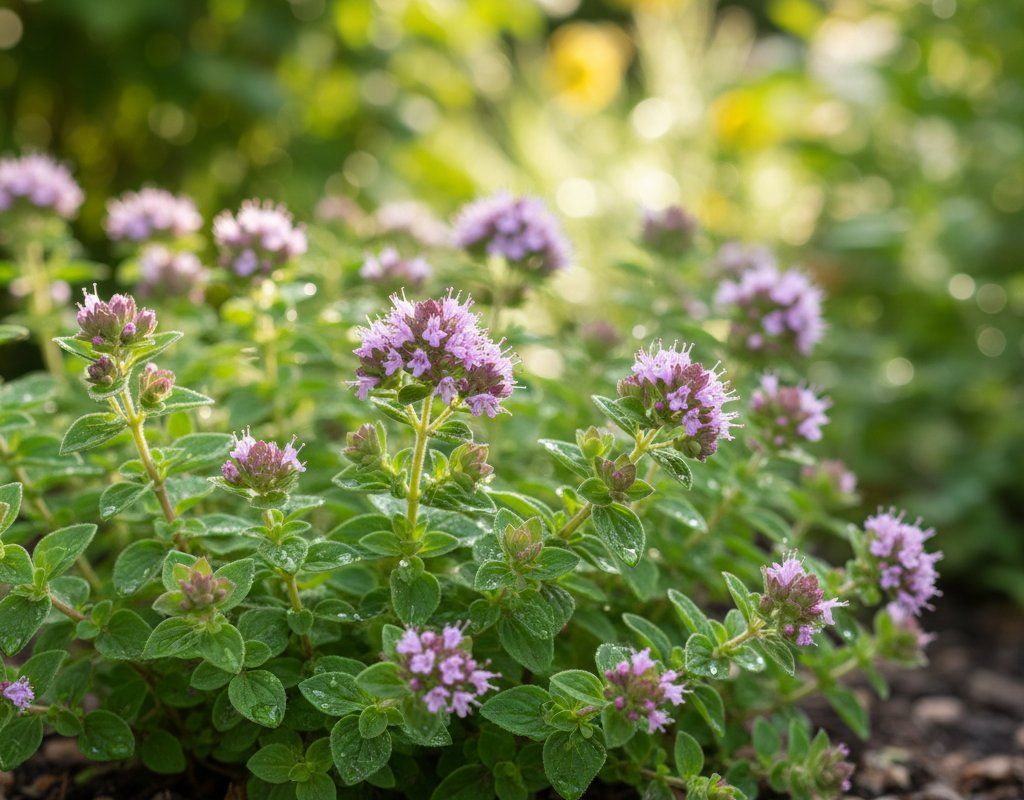
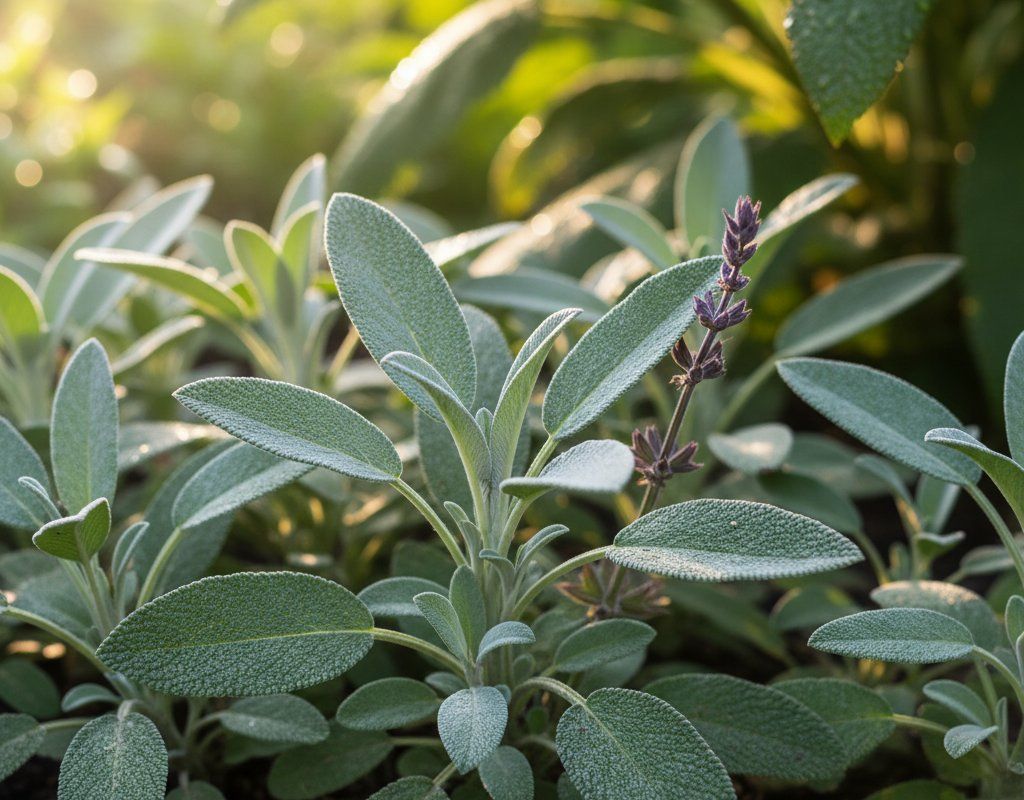
Avoid planting basil near sage or rue, which can inhibit basil's growth through allelopathic effects. In our humid climate, also maintain good spacing between all plants to prevent the fungal diseases that thrive when air circulation is poor. Oregano makes another good neighbor, sharing basil's love of warm weather and well-draining soil while providing a complementary fragrance in your herb garden.
🌸Best Flowers to Plant with Basil
These flowers protect your Basil from pests and attract pollinators for better harvests.
For Pest Control




Get a Reminder When It's Time to Plant
We'll email you when key planting windows open for your zone.