
Parsley in Zone 6B — Mountain West
Petroselinum crispum · Your Complete 2026 Planting Guide
Missed Seed Starting? No Problem!
Wait for starts to become available.
What to Do
Starts will be available at nurseries in 38 days (around April 11).
How to Plant Parsley in Zone 6B — Mountain West
Here are all your options for getting parsley in the ground, from the easiest method to more advanced approaches.
Direct Sow Seeds
RecommendedMid April through mid July
around April 11
Consider succession planting every 2-3 weeks for continuous harvest.
Parsley is slow to germinate (2-4 weeks). Soaking seeds helps.
Start Seeds Indoors
RecommendedEarly to late February
around February 14
Then transplant: Mid April through early May
Start seeds 8-10 weeks before transplanting outdoors.
Start indoors 8-10 weeks early due to slow germination.
Buy Starts
Works WellMid April through early May
around April 11
Plant purchased starts after last frost (April 25).
Transplant Outdoors
Timing InfoMid April through early May
around April 11
Can tolerate light frost, but wait for soil to be workable.
You have a nice window — no need to rush.
Fall Planting
Mid July through mid August
August 3 ideal · Direct sow for fall harvest
Plant a second crop in mid-summer for fall harvest. Parsley actually prefers the cooling temperatures of fall.
Overview
Parsley thrives in our Mountain West climate, where the cool nights and intense high-altitude sun create perfect conditions for robust leaf development. The moderate summer temperatures mean your parsley won't bolt as quickly as it would in hotter climates, and the low humidity reduces disease pressure that plagues gardeners elsewhere. Fresh parsley from your own garden has a bright, clean flavor that makes store-bought versions taste dusty by comparison.
Our short 163-day growing season and late spring start might seem challenging, but parsley's hardy nature makes it manageable. This biennial herb can handle our temperature swings and even light frosts, giving you a reliable harvest from mid-June through our first hard freeze in early October. With either indoor starting or direct sowing, you'll have fresh herbs all season long.
Starting Seeds Indoors
Starting parsley indoors isn't essential, but it makes sense if you want an earlier harvest or prefer more control over germination. Since our last frost runs into late April, starting seeds indoors from early to late February gives you transplants ready to go out as soon as conditions allow.
Set up your seed trays with good drainage and keep the soil consistently moist through bottom watering - parsley seeds are notoriously slow to germinate, taking 2-4 weeks even under ideal conditions. Place trays in a warm spot (65-70°F) with bright light once seedlings emerge. The indoor environment protects against our unpredictable spring weather while seeds take their time.
Starting indoors also helps with our intense UV exposure. Young transplants can be gradually hardened off, whereas direct-sown seedlings face full mountain sun from day one.
Transplanting Outdoors
Transplant your parsley seedlings from mid-April through early May, after the soil has warmed and severe frost danger has passed. Our mountain springs can be tricky with sudden temperature drops, so watch the forecast and be ready to protect young plants if needed.
Harden off seedlings gradually over a week, starting with just morning sun and working up to full exposure. This helps them adjust to our intense high-altitude UV and dramatic day-night temperature swings. Space transplants 6-10 inches apart in well-draining soil - our alkaline mountain soils work fine for parsley.
Plant on a calm day if possible, as our spring winds can stress newly transplanted seedlings. Water thoroughly after planting and consider temporary shade cloth for the first few days if you're transplanting during a particularly sunny stretch.
Direct Sowing
Direct sowing works well for parsley in our mountain climate, though you'll need patience during the slow germination period. Sow seeds from mid-April through mid-July, giving you flexibility for succession plantings throughout our growing season.
Prepare your soil by loosening it well and adding compost if needed - parsley appreciates good drainage, which our mountain soils often provide naturally. Soak seeds overnight before planting to speed germination, then sow them about 1/4 inch deep and 6-10 inches apart. Keep the soil consistently moist during the long germination period.
The main advantage of direct sowing is that plants develop stronger root systems without transplant shock. However, the downside is losing 2-4 weeks of our already short growing season while waiting for germination. Choose this method for mid-season plantings when you have time to spare.
Watering Parsley in Zone 6B (Mountain West)
Parsley needs consistent, moderate moisture throughout the growing season - about 1 to 1.5 inches per week including rainfall. In our dry mountain climate with only 10-20 inches of annual precipitation, you'll need to supplement with regular watering, especially during our peak summer months.
Use the finger test to check soil moisture: stick your finger 2 inches into the soil near the plant base. If it feels dry at that depth, it's time to water. Water at the base of plants rather than overhead - our low humidity means less disease pressure, but efficient water use is crucial in our arid climate.
During germination, keep the soil surface consistently moist but not waterlogged. Once established, parsley becomes somewhat drought-tolerant but produces the most tender, flavorful leaves with steady moisture. Signs of underwatering include yellowing outer leaves and slow growth, while overwatering shows as pale, mushy foliage.
Apply a thin layer of mulch around plants to conserve moisture and moderate soil temperature swings. In our intense sun and low humidity, bare soil loses water quickly, making mulch especially valuable for maintaining that consistent moisture parsley prefers.
🧪Fertilizing Parsley
Feeding Schedule
Organic Fertilizer Options
Harvest Time
Your first parsley harvest will be ready from mid-June through mid-October, typically about 70 days from seeding or 6-8 weeks after transplanting. Look for stems with at least three leaf segments - these outer stems are ready to cut while leaving the center growing point intact.
Always harvest by cutting stems at the base rather than pinching tips, which encourages bushier growth and continued production. Take the oldest, outer stems first and work your way in. A healthy plant can provide continuous harvests every 2-3 weeks throughout our growing season.
As our first frost approaches in early October, parsley will slow down but often survives light frosts. You can extend the harvest by covering plants during cold snaps or cut the entire plant for drying or freezing before the first hard freeze ends the season.
Remember that parsley is biennial - it focuses on leaf production the first year, then flowers and sets seed the second year. In our mountain climate, most gardeners treat it as an annual since winter temperatures typically kill plants, but occasionally one will overwinter and bolt early the following spring.
Common Problems in Zone 6B (Mountain West)
Slow Germination Seeds sitting in soil for 3-4 weeks without sprouting, or very patchy emergence across your planting area. This is parsley's natural tendency, made worse by cool mountain soil temperatures and our variable spring weather. Soak seeds overnight before planting and maintain consistent soil moisture. Consider starting seeds indoors where you can control temperature, or be patient with direct sowings and keep the soil from drying out.
Carrot Rust Fly Small dark flies hovering around plants, followed by wilting foliage despite adequate water, and rusty brown tunnels visible in any nearby carrot roots. These flies are attracted to the carrot family, including parsley, and their larvae tunnel into roots and stems. Use row covers as your best defense, and avoid thinning or harvesting during peak fly activity in late spring. Interplanting with onions helps confuse the flies with competing scents.
Crown Rot Black, mushy areas at the base of plants, often spreading upward into stems, with leaves yellowing and wilting from the bottom up. This fungal problem is encouraged by our intense mountain sun heating wet soil, creating perfect conditions for root rot. Ensure excellent drainage and water at the base of plants early in the day so soil surface dries quickly. Space plants adequately for air circulation and avoid overhead watering.
Mountain West Specific Challenges: Our intense UV can stress young plants if they're not hardened off properly, while our alkaline soils may require soil amendments for optimal growth. The dramatic temperature swings between day and night can slow establishment, and late spring hail can shred tender foliage, requiring protection during storm season.
Best Companions for Parsley
Plant these nearby for healthier Parsley and better harvests.
View Full Companion Planting Chart →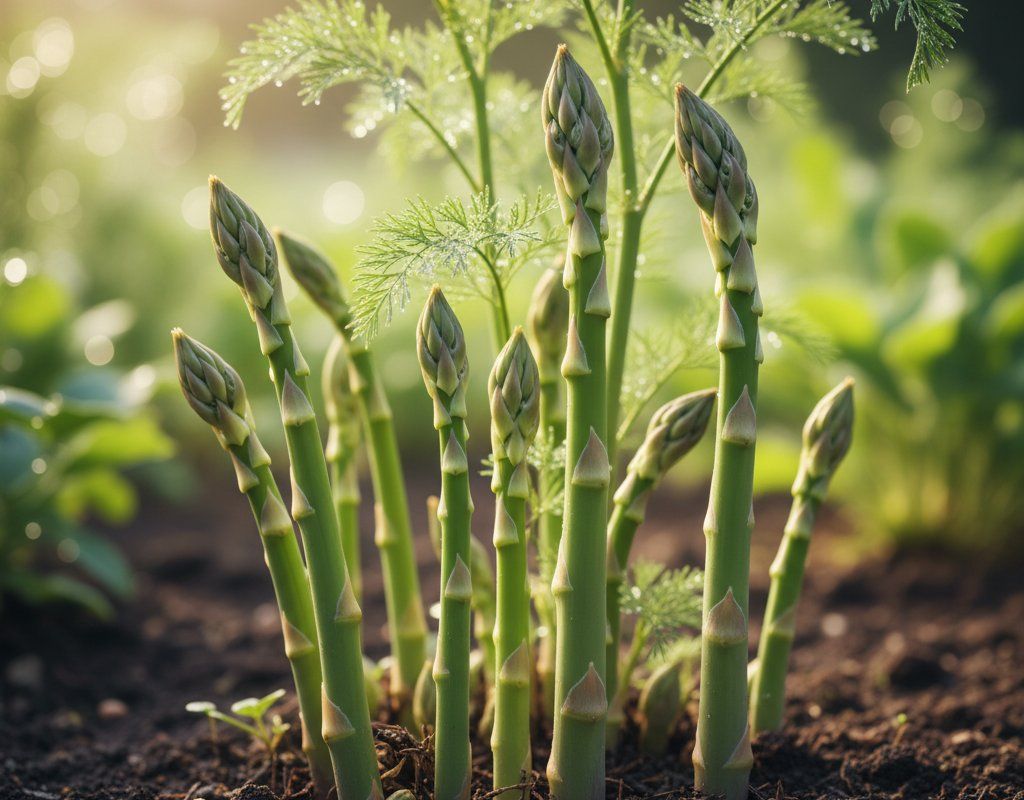



Companion Planting Details
Parsley makes an excellent companion for tomatoes, where it may help deter some pests and definitely provides convenient fresh herbs right next to your main crop. Plant it near asparagus beds where the ferny foliage creates an attractive border, and the parsley benefits from the asparagus's deep root system bringing up nutrients. Corn provides afternoon shade that parsley appreciates during our intense mountain sun.
Avoid planting parsley near lettuce, as both compete for similar soil nutrients and moisture in our dry climate - you'll get better results spacing them apart. Keep parsley away from mint, which can become aggressive and overwhelm the slower-growing parsley, especially in our short growing season where every bit of space and time matters.
🌸Best Flowers to Plant with Parsley
These flowers protect your Parsley from pests and attract pollinators for better harvests.
For Pest Control




Get a Reminder When It's Time to Plant
We'll email you when key planting windows open for your zone.