
Parsley in Zone 8A — Florida
Petroselinum crispum · Your Complete 2026 Planting Guide
Time to Buy Starts!
Seed starting window passed, but starts are available now.
Buy Starts Now
Head to your local nursery, Home Depot, or farmers market for transplants.
- Look for stocky plants with dark green leaves
- Avoid leggy seedlings or plants already flowering
- Check that roots aren't circling the pot (rootbound)
How to Plant Parsley in Zone 8A — Florida
Here are all your options for getting parsley in the ground, from the easiest method to more advanced approaches.
Direct Sow Seeds
RecommendedMid February through mid September
around February 11
Consider succession planting every 2-3 weeks for continuous harvest.
Parsley is slow to germinate (2-4 weeks). Soaking seeds helps.
Start Seeds Indoors
RecommendedEarly to late December
around December 17
Then transplant: Mid February through mid March
Start seeds 8-10 weeks before transplanting outdoors.
Start indoors 8-10 weeks early due to slow germination.
Buy Starts
Works WellMid February through mid March
around February 11
Plant purchased starts after last frost (February 25).
Transplant Outdoors
Timing InfoMid February through mid March
around February 11
Can tolerate light frost, but wait for soil to be workable.
You have a nice window — no need to rush.
Fall Planting
Mid September through mid October
October 3 ideal · Direct sow for fall harvest
Plant a second crop in mid-summer for fall harvest. Parsley actually prefers the cooling temperatures of fall.
Overview
Parsley deserves a spot in every Florida garden, offering fresh herbs year-round in our extended growing season. Unlike many herbs that struggle in our intense summer humidity, parsley thrives in our cooler months and provides continuous harvests when you need fresh flavor most. This biennial herb produces abundant, flavorful leaves that taste infinitely better than anything you'll find in the grocery store, and it grows beautifully in containers or garden beds.
Growing parsley in Zone 8A Florida does require working with our unique climate patterns. Our reversed seasons mean prime parsley season runs from fall through spring, with summer being the challenging period. But with our 283-day growing season, you can enjoy fresh parsley for most of the year by timing plantings correctly and understanding when this herb performs best in our subtropical conditions.
Starting Seeds Indoors
Starting parsley seeds indoors makes sense when you want to get a jump on the growing season or ensure better germination control. Start your seeds early to late December, about 8 weeks before you plan to transplant outdoors in mid-February. Parsley seeds are notoriously slow to germinate, often taking 2-4 weeks, so indoor starting gives you better control over moisture and temperature during this critical period.
Set up seed trays with quality potting mix and keep them consistently moist using bottom watering - this prevents the tiny seedlings from getting waterlogged while maintaining the steady moisture parsley needs. Place trays in a warm spot (65-70°F works well) and provide good light once seedlings emerge. Since our Florida spring comes early and can be unpredictable, indoor starting lets you have sturdy transplants ready when conditions are right.
The main advantage of starting indoors in Florida is avoiding the weather variability of late winter and early spring. You'll have more control over germination conditions and can produce stronger seedlings that transplant better into our sandy soils.
Transplanting Outdoors
Transplant your parsley seedlings outdoors from mid-February through mid-March, after hardening them off gradually over a week. Start by placing transplants outside for just 2-3 hours in filtered light, then gradually increase exposure time and light intensity. This process is crucial in Florida because our late winter sun can still be intense, and sudden temperature swings can shock tender seedlings.
Space transplants 6-10 inches apart in prepared beds or containers. Our sandy Florida soils drain quickly, so work in some compost or organic matter before transplanting to help retain moisture around the root zone. Plant at the same depth the seedlings were growing in their containers, and water them in well with a dilute liquid fertilizer.
Watch weather forecasts carefully during transplant season - late February through mid-March can bring unexpected cold snaps or sudden warm spells. Have row covers ready for protection, and don't rush if conditions aren't right. You have about a 3-week window for optimal transplanting, so wait for settled weather when possible.
Direct Sowing
Direct sowing parsley works well in Florida, though you'll need patience since germination is slow. Sow seeds from mid-February through mid-September, though spring and fall sowings tend to perform better than summer plantings. Prepare your planting area by working compost into the soil - this helps with moisture retention in our sandy conditions and provides the organic matter parsley appreciates.
Soak seeds overnight before planting to speed up the notoriously slow germination process. Plant seeds ¼ inch deep and space them about 2 inches apart, then thin to 6-10 inches once seedlings are established. Keep the soil consistently moist during the 2-4 week germination period - this is critical in Florida where our sandy soils dry out quickly.
The main challenge with direct sowing in Florida is maintaining consistent moisture during germination while dealing with our variable spring weather and intense summer conditions. Fall sowings (mid-September through mid-October) often perform better than spring sowings because soil temperatures are more stable and humidity levels support steady growth.
Watering Parsley in Zone 8A (Florida)
Parsley needs consistent, moderate watering throughout its growing season, and this becomes especially important in Florida's challenging climate conditions. During our hot summers with temperatures reaching 93°F and very high humidity, you'll need to water more frequently but carefully to avoid fungal issues. Check soil moisture with the finger test - stick your finger 2 inches deep, and water when the top inch feels dry.
Provide about 1 inch of water per week during active growing periods, adjusting for our wet summer season when natural rainfall often exceeds this amount. From late spring through early fall, focus on morning watering at the base of plants rather than overhead watering - our extreme humidity creates perfect conditions for fungal diseases when foliage stays wet. During our drier winter months, you may need to supplement rainfall more regularly.
Watch for signs of stress carefully in Florida's climate. Overwatered parsley shows yellowing lower leaves and soft, mushy stems - common in our wet summers when drainage becomes critical. Underwatered plants develop crispy leaf edges and wilted appearance even during cooler parts of the day. The high humidity can mask water stress signs, so rely on soil testing rather than just visual cues.
Apply a thin layer of organic mulch around plants to help maintain consistent soil moisture and reduce watering frequency. In our sandy soils, mulch also helps prevent rapid moisture loss during hot periods while keeping roots cooler during our intense summer heat.
🧪Fertilizing Parsley
Feeding Schedule
Organic Fertilizer Options
Harvest Time
Your first parsley harvest will be ready from late April through mid-December, with plants reaching maturity about 70 days after seeding or 10-12 weeks after transplanting. Look for stems that have developed three distinct segments - this indicates the leaves are mature and full-flavored. Harvest outer stems first by cutting them at the base near soil level, never just pinching off the tips which weakens the plant.
Cut stems with sharp scissors or garden shears, making clean cuts that heal quickly in Florida's humid conditions. Always harvest from the outside of the plant working inward, leaving the center growing point intact. This method encourages continuous production throughout our long growing season, and healthy plants can provide harvests for 8-10 months.
During Florida's prime parsley season (fall through spring), harvest regularly to keep plants productive. Take what you need for immediate use, but don't be afraid to cut stems for drying or freezing when plants are producing heavily. Regular harvesting actually stimulates more growth and prevents the plant from putting energy into flowering too early.
As your parsley approaches its second year, watch for flower stalks forming - this signals the end of leaf production since parsley is biennial. In Florida, this typically happens in late winter or early spring of the plant's second year. Once flowering begins, harvest all remaining usable foliage and start new plants, as leaf quality declines rapidly after flowering starts.
Common Problems in Zone 8A (Florida)
Slow Germination Parsley seeds can take 2-4 weeks to germinate, leaving many Florida gardeners thinking their seeds have failed. You'll see empty soil for weeks before tiny green shoots finally emerge, especially during cooler periods when soil temperatures are marginal. This prolonged germination period is normal for parsley but requires patience and consistent moisture management.
Florida's sandy soils and variable spring weather compound this challenge because maintaining consistent soil moisture for 2-4 weeks can be difficult. Prevent germination failures by soaking seeds overnight before planting and covering seeded areas with lightweight fabric to retain moisture. Keep soil consistently moist but not waterlogged during the entire germination period.
Carrot Rust Fly Small dark flies hovering around your parsley plants signal potential carrot rust fly problems, which affect parsley along with carrots and other plants in this family. You'll notice rusty brown tunnels in root areas and wilting foliage despite adequate watering - the larvae tunnel into roots and stems, disrupting water uptake.
These flies are attracted to the scent of bruised parsley leaves, which is particularly problematic in Florida's humid conditions where plant wounds heal slowly. Install row covers immediately after planting and avoid thinning or harvesting during peak fly activity periods in spring. Interplanting with onions helps confuse the flies' scent-tracking ability.
Crown Rot Crown rot appears as blackened, mushy areas at the base of parsley plants, often spreading upward into stems and leaves. This fungal problem thrives in Florida's combination of high humidity and warm temperatures, especially during our wet summer months when drainage becomes critical for plant health.
Poor drainage in our clay pockets or overwatering in sandy soils creates perfect conditions for crown rot development. Prevent this by ensuring excellent drainage, avoiding overhead watering during humid periods, and spacing plants properly for air circulation. Once crown rot appears, remove affected plants immediately and improve drainage before replanting.
Florida Specific Challenges Florida's extreme humidity and wet summer conditions create ongoing fungal pressure for parsley plants, making proper spacing and air circulation critical. Our intense summer heat often pushes parsley into survival mode, while sandy soils require consistent attention to moisture and fertility management throughout the extended growing season.
Best Companions for Parsley
Plant these nearby for healthier Parsley and better harvests.
View Full Companion Planting Chart →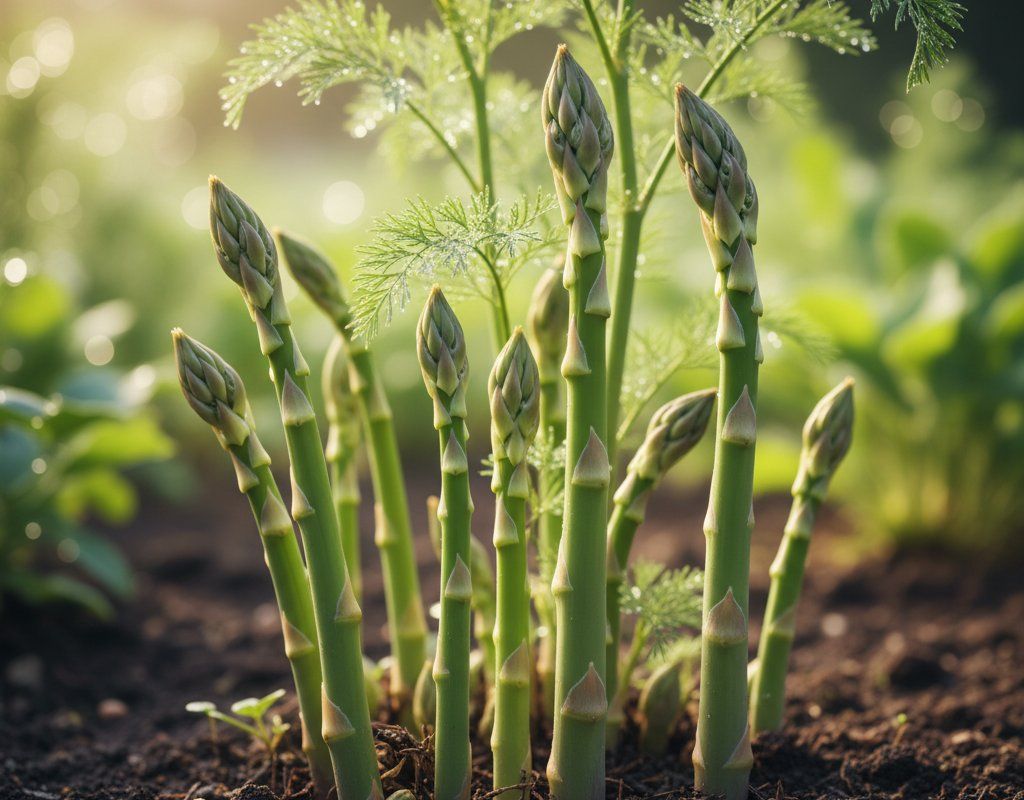



Companion Planting Details
Parsley makes an excellent companion for tomatoes, asparagus, and corn in Florida gardens, providing mutual benefits that work especially well in our climate. Plant parsley near tomatoes to help repel aphids and other pests while attracting beneficial insects that prey on tomato hornworms. The parsley's moderate water needs complement tomatoes perfectly, and both thrive during Florida's cooler months. Asparagus and parsley share similar soil preferences and growing seasons, with parsley providing ground cover that helps retain moisture around asparagus roots during our dry winter periods.
Avoid planting parsley near lettuce or mint, as these combinations create problems in Florida's conditions. Lettuce and parsley compete for the same growing season and have conflicting water needs during our transitional weather periods. Mint's aggressive spreading habit can quickly overwhelm parsley plants, and both herbs attract similar pests that become concentrated when planted together in our humid climate.
🌸Best Flowers to Plant with Parsley
These flowers protect your Parsley from pests and attract pollinators for better harvests.
For Pest Control




Get a Reminder When It's Time to Plant
We'll email you when key planting windows open for your zone.