
Green Beans in Zone 8B — Florida
Phaseolus vulgaris · Your Complete 2026 Planting Guide
Still Time to Sow!
The sowing window is still open for Green Beans.
Sow Seeds Soon
Beans have sensitive roots and grow quickly. Direct sow after frost.
How to Plant Green Beans in Zone 8B — Florida
Here are all your options for getting green beans in the ground, from the easiest method to more advanced approaches.
Direct Sow Seeds
RecommendedLate February through early October
around February 22
Consider succession planting every 2-3 weeks for continuous harvest.
Beans have sensitive roots and grow quickly. Direct sow after frost.
Buy Starts
Works WellLate February through late March
around February 22
Plant purchased starts after last frost (February 15).
Start Seeds Indoors
ChallengingThis plant is typically not started indoors.
Transplant Outdoors
Timing InfoLate February through late March
around February 22
Wait until nighttime temperatures stay above 50°F.
You have a nice window — no need to rush.
Overview
Green beans are one of the most rewarding crops you can grow in Zone 8B Florida, offering tender, flavorful pods that put grocery store beans to shame. Our subtropical climate allows for an extended growing season where you can harvest fresh beans from spring through fall, and even into winter with protection. The satisfaction of picking crisp beans from your own garden, especially when store-bought varieties often taste bland and tough, makes this crop a must-have for any Florida vegetable garden.
Florida's intense humidity and fungal pressure can challenge bean growers, but with proper timing and care, green beans thrive in our climate. Your 303-day growing season gives you multiple planting opportunities throughout the year, allowing you to work around the hottest summer months when many other crops struggle. The key is understanding when to plant and how to manage moisture in our humid environment.
Transplanting Outdoors
While green beans can be transplanted, it's rarely the preferred method since beans have sensitive roots that don't appreciate disturbance. If you choose to transplant, start seeds indoors about 3-4 weeks before your transplant window of late February through late March. Use biodegradable pots that can be planted directly in the ground to minimize root disruption.
Harden off your transplants gradually over a week, starting with just an hour or two of morning sun and gradually increasing exposure. In Florida's late winter and early spring, you'll need to watch for unexpected cold snaps that can damage tender bean plants. Wait until nighttime temperatures consistently stay above 50°F before transplanting outdoors.
Space transplants 4-6 inches apart in rows, being extremely gentle with the root system. Water them in well but avoid overwatering, as our humid conditions can quickly lead to damping-off and root rot in stressed transplants.
Direct Sowing
Direct sowing is the recommended method for green beans in Florida since they grow quickly and their sensitive roots prefer not to be disturbed. You can direct sow from late February through early October, giving you multiple opportunities throughout our long growing season. The key is waiting until soil temperatures reach at least 60°F and nighttime lows stay above 50°F consistently.
Prepare your planting area by working compost into Florida's sandy soil to improve water retention and provide nutrients. Plant seeds 1-2 inches deep and 4-6 inches apart in rows or blocks. In our sandy soil, beans often benefit from slightly deeper planting to ensure good moisture contact during germination.
Your fall plantings from late August through early October often perform better than summer sowings since they mature during cooler weather. Summer plantings can struggle with our intense heat and humidity, so consider shade cloth if planting during the hottest months. Seeds typically germinate within 7-10 days in warm Florida soil.
Watering Green Beans in Zone 8B (Florida)
Green beans need consistent moisture but are particularly sensitive to overwatering in Florida's humid climate. The combination of our heavy summer rains, high humidity, and warm temperatures creates perfect conditions for fungal diseases when foliage stays wet. Always water at the base of plants rather than overhead to keep leaves dry and reduce disease pressure.
During Florida's wet summer months (June through September), you may need to provide very little supplemental water. Check soil moisture by sticking your finger 2 inches deep – if it's moist, wait to water. When you do water, apply about 1 inch per week through drip irrigation or soaker hoses. In sandy Florida soil, this might mean watering more frequently but for shorter periods.
Our spring and fall growing seasons typically require more consistent watering since rainfall is less predictable. Watch for signs of water stress like wilting during the hottest part of the day or yellowing lower leaves. Overwatering shows up as yellowing leaves, stunted growth, and increased fungal problems – common issues in our humid climate.
Apply a 2-3 inch layer of organic mulch around plants to help retain moisture in sandy soil and reduce the need for frequent watering. Pine straw works particularly well in Florida and helps suppress weeds while slowly breaking down to improve soil structure.
🧪Fertilizing Green Beans
Feeding Schedule
Organic Fertilizer Options
Harvest Time
Your first green bean harvest will typically begin 55 days after planting, which means mid-April harvests from late February plantings and continuing through mid-December from fall sowings. In Florida's favorable climate, bush beans often produce for 4-6 weeks with proper care, giving you an extended harvest period from each planting.
Pick beans when pods are firm, crisp, and about pencil-thick, before the seeds inside begin to bulge visibly. The pods should snap cleanly when bent – if they bend without breaking, they're past their prime. Harvest every 2-3 days during peak production to keep plants producing; letting pods mature on the plant signals the plant to stop flowering and producing new beans.
Use both hands when harvesting – hold the branch with one hand while picking with the other to avoid damaging the plant. Early morning is the best time to harvest when pods are crisp and full of moisture. In Florida's heat, afternoon-picked beans can be limp and less flavorful.
As your first frost approaches in mid-December, harvest any remaining pods even if they're slightly immature. Green pods can be stored in the refrigerator for up to a week, but they won't continue ripening off the vine. Plan succession plantings every 2-3 weeks during your planting windows to ensure continuous harvests throughout the growing season.
Common Problems in Zone 8B (Florida)
Bean Beetles (Mexican Bean Beetles) These copper-colored beetles with black spots appear on leaves along with their spiny, yellow-orange larvae on leaf undersides. You'll see skeletonized leaves where only the veins remain after they've eaten all the leaf tissue. Multiple generations occur in Florida's warm climate, making them a persistent problem throughout the growing season.
Florida's long, warm growing season allows these pests to complete several life cycles per year. Handpick adults and larvae when you spot them, and crush the bright yellow egg clusters found on leaf undersides. Row covers work well until plants begin flowering, and neem oil or pyrethrin sprays can control heavy infestations. Clean up all crop residues after harvest to eliminate overwintering sites.
Rust Rust appears as orange, yellow, or brown pustules on leaves and stems, primarily on the undersides. Leaves yellow and drop prematurely, reducing plant vigor and yield. Florida's combination of warm temperatures, high humidity, and frequent moisture on leaves creates ideal conditions for rust fungi to spread rapidly.
This fungal disease thrives in our humid climate, especially when overhead watering or morning dew keeps foliage wet. Remove affected leaves immediately and avoid working among wet plants. Improve air circulation by proper spacing and avoid overhead watering completely. Sulfur or copper-based fungicides can help, but prevention through proper watering techniques is most effective in Florida.
Mosaic Virus Plants show mottled yellow and green patterns on leaves, stunted growth, and distorted development. Yields decrease significantly, and fruits may be deformed. Once infected, there's no cure – the plant must be removed and destroyed to prevent spread to healthy plants.
Aphids transmit several mosaic viruses, and Florida's year-round growing season means these vectors are always present. Control aphid populations through beneficial insects or insecticidal soap. Wash hands and tools between plants, especially after handling infected material. Some gardeners unknowingly spread tobacco mosaic virus by smoking near plants, so avoid this practice entirely.
Florida Specific Challenges Our intense summer heat, extremely high humidity, and heavy rainfall create challenging conditions for green beans. The combination often leads to increased fungal pressure, rapid pest reproduction, and stress on plants. Consider growing beans during cooler months (fall through spring) for better success, and always prioritize good air circulation and proper watering techniques to manage our challenging climate.
Best Companions for Green Beans
Plant these nearby for healthier Green Beans and better harvests.
View Full Companion Planting Chart →



Companion Planting Details
Green beans work exceptionally well in Florida's traditional "Three Sisters" planting with corn and squash. The corn provides natural support for pole beans (though bush beans don't need this), while the beans fix nitrogen that benefits both companion crops. Squash spreads along the ground, providing living mulch that helps retain moisture in our sandy soil and suppresses weeds during hot weather.
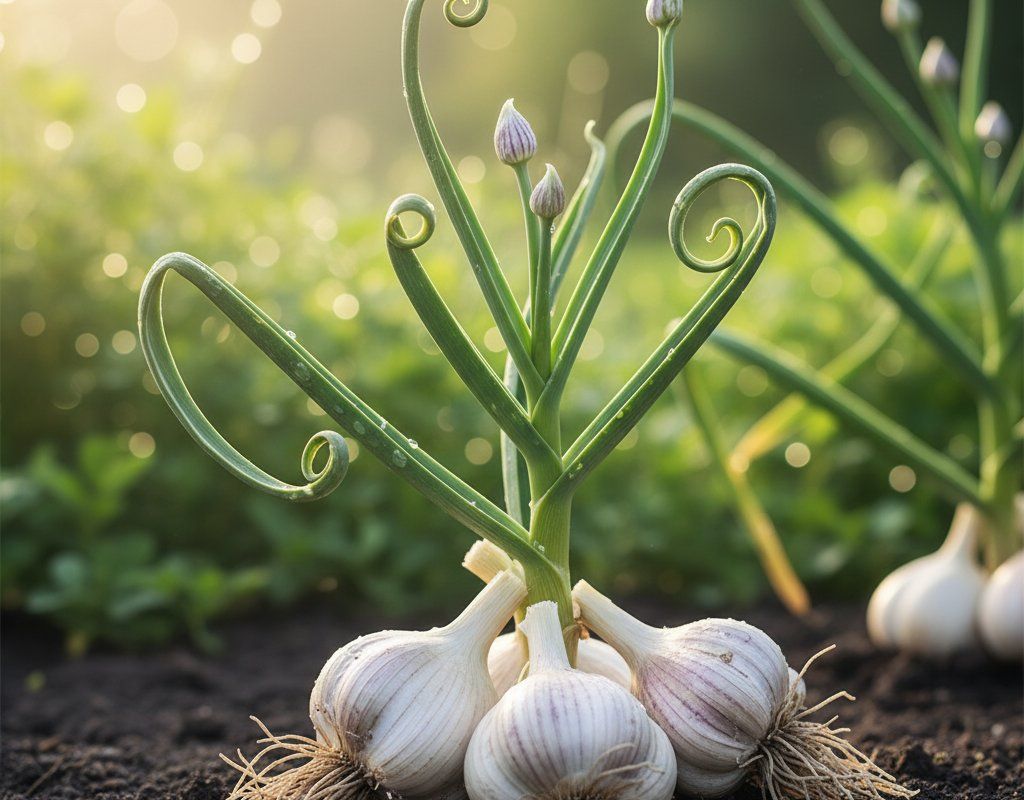
Carrots and celery make excellent companions since they have different root depths and don't compete directly with beans. The carrots help break up compacted soil while celery's strong scent may help deter some pests. Avoid planting beans near onions, garlic, or fennel – these plants can inhibit bean growth and development. In Florida's intense growing conditions, giving beans compatible neighbors helps maximize your garden space while supporting plant health through our challenging climate.
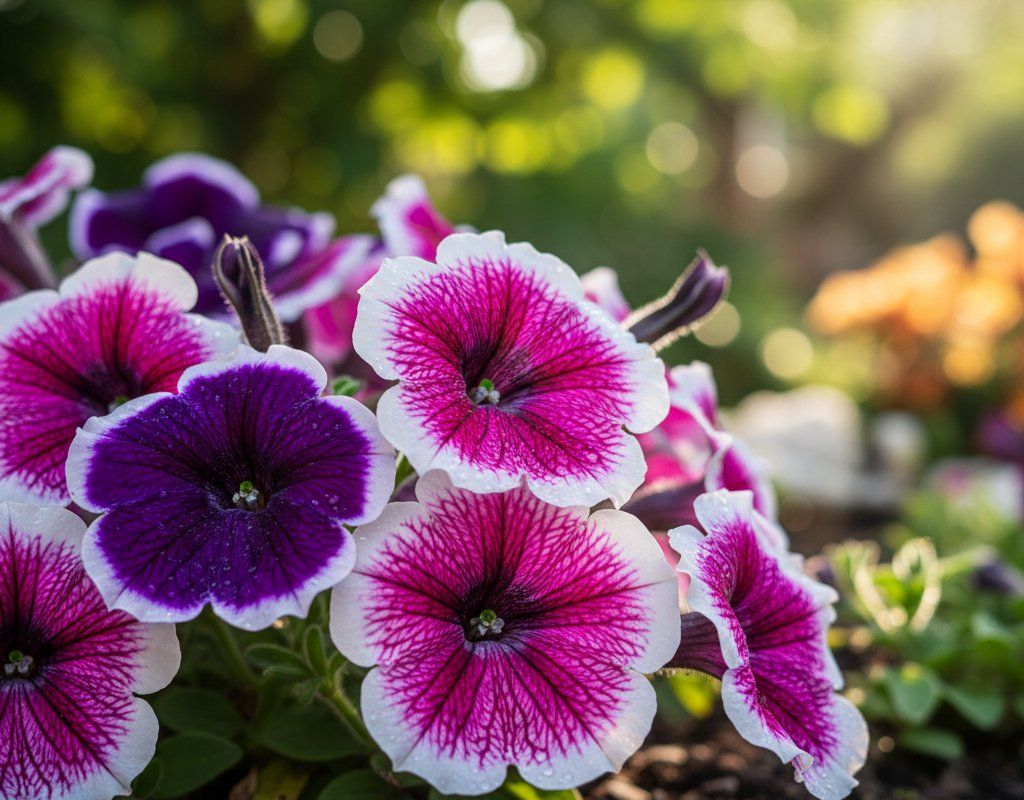
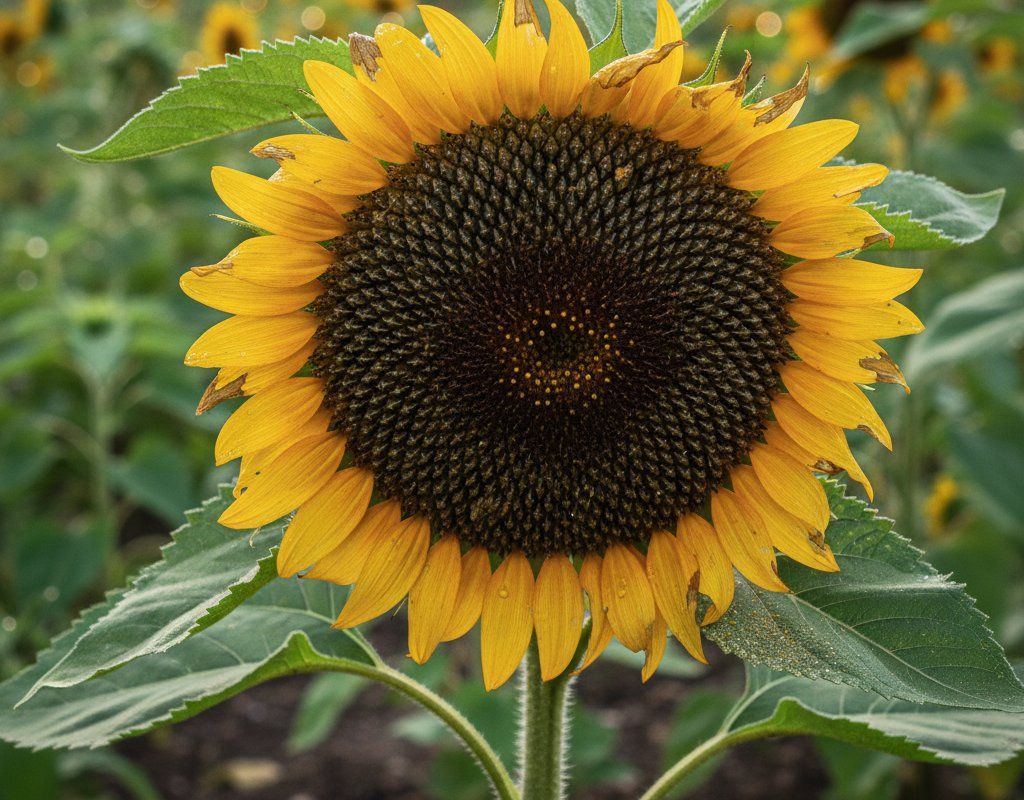
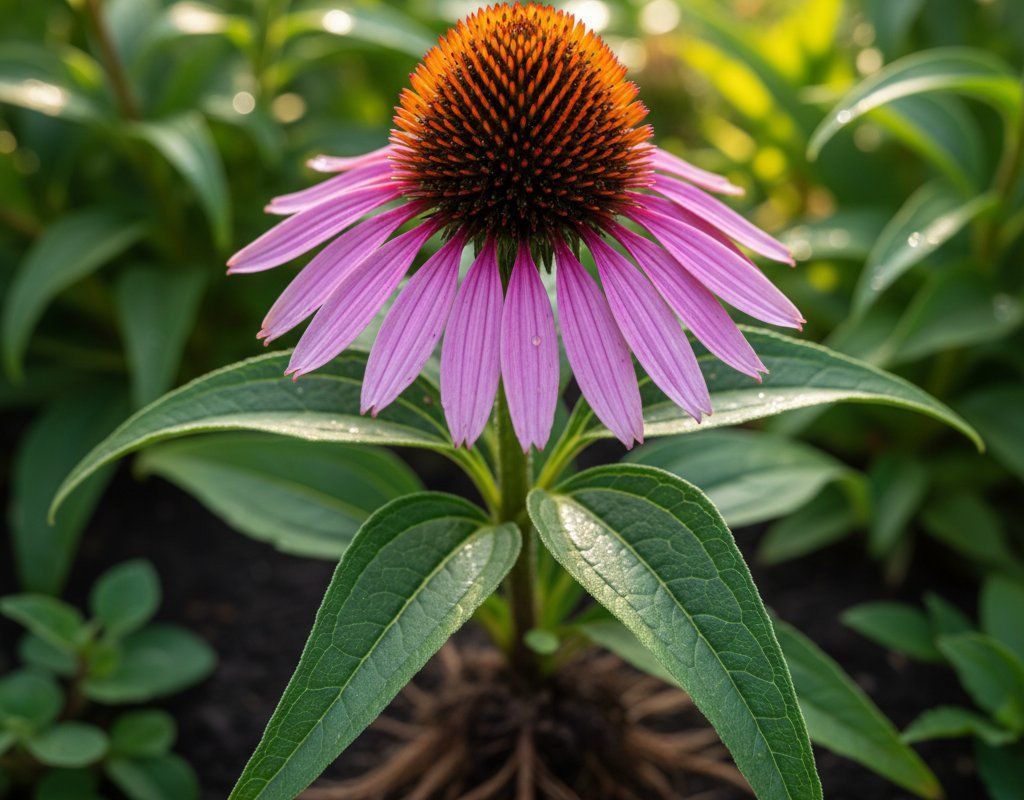
🌸Best Flowers to Plant with Green Beans
These flowers protect your Green Beans from pests and attract pollinators for better harvests.
For Pest Control





Get a Reminder When It's Time to Plant
We'll email you when key planting windows open for your zone.