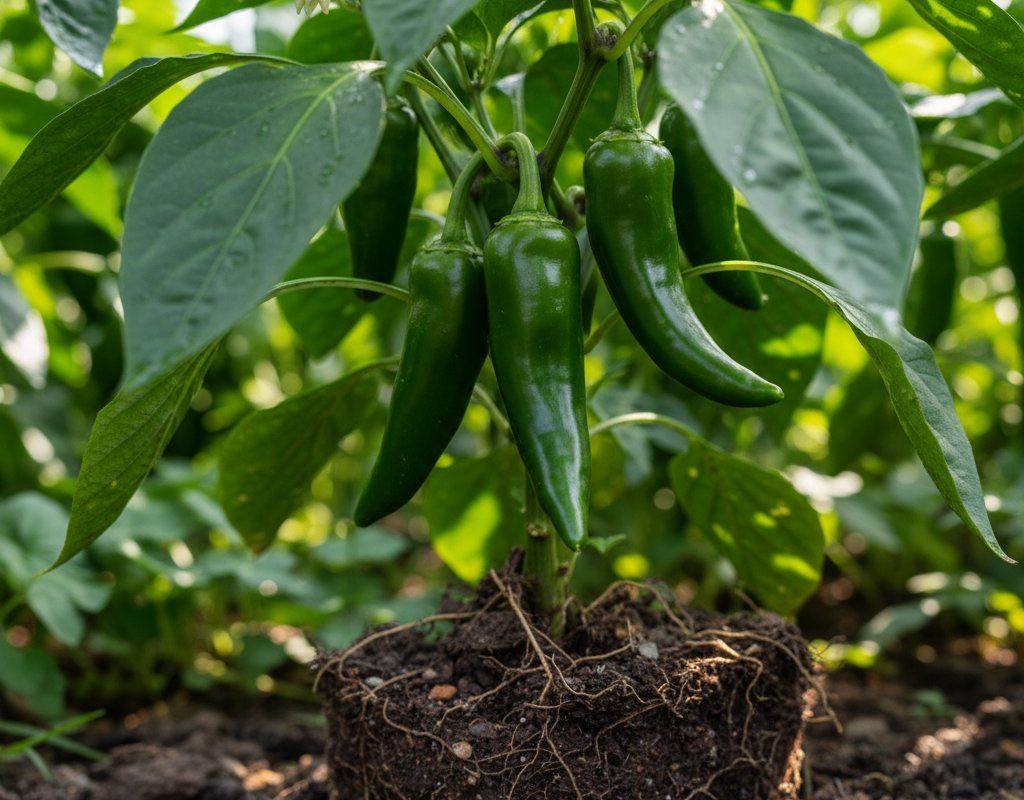
Anaheim Pepper in Zone 7A — Desert Southwest
Capsicum annuum 'Anaheim' · Your Complete 2026 Planting Guide
Missed Seed Starting? No Problem!
Wait for starts to become available.
What to Do
Starts will be available at nurseries in 35 days (around April 8).
How to Plant Anaheim Pepper in Zone 7A — Desert Southwest
Here are all your options for getting anaheim pepper in the ground, from the easiest method to more advanced approaches.
Start Seeds Indoors
RecommendedEarly to late February
around February 11
Then transplant: Early April through early May
Start seeds 8-10 weeks before transplanting outdoors.
Buy Starts
Works WellEarly April through early May
around April 8
Plant purchased starts after last frost (March 25).
Direct Sow Seeds
ChallengingDirect sowing is not typical for Anaheim Pepper.
Transplant Outdoors
Timing InfoEarly April through early May
around April 8
Wait until nighttime temperatures stay above 50°F.
You have a nice window — no need to rush.
Overview
Anaheim peppers are a fantastic addition to any Desert Southwest garden. Their mild heat and versatility make them perfect for everything from roasting and stuffing to adding a subtle kick to your favorite salsas. Plus, there's a real satisfaction in harvesting your own peppers after nurturing them through our challenging climate.
Desert gardening definitely has its hurdles, with the extreme heat and arid conditions. But with careful planning and attention to watering, you can absolutely grow Anaheim peppers successfully. Our long 230-day growing season gives you a great head start.
Starting Seeds Indoors
Starting Anaheim peppers indoors is the way to go here in the Desert Southwest. Start your seeds indoors in early to late February. This gives them plenty of time to get a head start before our transplant window opens.
Use seed trays or small pots filled with a good seed-starting mix. Keep them warm – a heat mat helps – and provide plenty of light with a grow light. Don't forget to water from the bottom to encourage strong root growth and prevent damping off, which can be a problem in our warm, early springs.
Transplanting Outdoors
Transplant your Anaheim pepper seedlings outdoors from early April through early May. This avoids the worst of our late frosts while still giving the plants plenty of time to mature before the extreme heat hits. Before transplanting, harden off your seedlings by gradually exposing them to outdoor conditions for about a week.
Plant them 18-24 inches apart in well-draining soil. Keep an eye on the weather forecast. Those early April days can still bring unexpected temperature swings, so be ready to cover your young plants if a cold snap threatens.
Watering Anaheim Pepper in Zone 7A (Desert Southwest)
Watering is critical for Anaheim peppers in our Desert Southwest climate. While they are developed for hot, dry climates, they still need consistent moisture, especially during fruit development. Aim for moderate watering.
During the spring, water deeply about twice a week, providing about 1 inch of water each time. Once the extreme heat of summer arrives, increase watering to 2-3 times per week, providing 1.5-2 inches of water. The monsoon season can be tricky; watch the forecast and adjust accordingly. Use the finger test – if the top 2 inches of soil are dry, it's time to water.
Water at the base of the plants to avoid wetting the foliage, which can encourage fungal diseases even in our arid climate. Signs of underwatering include wilting leaves and stunted growth. Overwatering can lead to yellowing leaves and root rot. A good layer of mulch will help retain moisture and regulate soil temperature.
Supporting Your Anaheim Pepper
While not always necessary, providing support for your Anaheim pepper plants can be a good idea, especially once they start producing those long, heavy peppers. The upright growth habit means they can get a little top-heavy.
Staking is the easiest option. Insert a sturdy stake near each plant at transplant time to avoid damaging the roots later. As the plants grow, gently tie the stems to the stake with soft twine. Cages also work well, providing all-around support.
Pruning & Maintaining Anaheim Pepper
Pruning Anaheim peppers is fairly straightforward. Early in the season, pinch off the first few flowers to encourage the plant to focus on vegetative growth, resulting in a stronger, more productive plant later on.
Throughout the season, remove any yellowing or dead leaves to improve air circulation. As the first frost approaches around early November, you can remove any remaining small flowers. This directs the plant's energy into ripening the existing peppers.
🧪Fertilizing Anaheim Pepper
Feeding Schedule
Organic Fertilizer Options
Harvest Time
You can expect your first harvest of Anaheim peppers from late June through early August. They are usually ready about 75 days after transplanting. You can harvest them green at 6-8 inches long for a milder flavor, or wait until they turn red for more heat. The peppers should have thick walls and a firm feel.
To harvest, use sharp pruners or scissors to cut the pepper from the plant, leaving a short stem attached. Regular harvesting encourages continued production. As the first frost approaches in early November, harvest all remaining peppers, even the green ones.
Green Anaheim peppers will ripen indoors if stored in a warm, dry place. Place them in a paper bag with a ripe apple or banana to speed up the ripening process.
Common Problems in Zone 7A (Desert Southwest)
Here are a few common problems you might encounter with Anaheim peppers in the Desert Southwest:
Blossom End Rot
- What it looks like: A sunken, dark brown or black leathery patch on the bottom (blossom end) of the fruit. Often affects the first fruits of the season.
- What causes it: Calcium deficiency caused by inconsistent watering. This is exacerbated by our arid climate and alkaline soil, which can make it harder for plants to take up calcium.
- How to fix/prevent it: Water consistently! This is the single most effective fix. Mulch heavily to maintain even soil moisture. Avoid over-fertilizing with nitrogen. Calcium sprays help marginally. Remove affected fruit.
Sunscald
- What it looks like: White, papery patches on fruit exposed to direct sun. Affected areas may blister and become susceptible to rot.
- What causes it: Intense, direct sunlight on fruit – usually after leaves are removed or lost to disease, suddenly exposing previously shaded fruit. Our extreme summer heat and intense sun make this a real risk.
- How to fix/prevent it: Don't over-prune foliage. Use shade cloth during the hottest part of the day. Maintain healthy foliage to shade fruit naturally. If fruit is already exposed, drape a small piece of row cover over it.
Aphids
- What it looks like: Clusters of tiny soft-bodied insects (green, black, or white) on stems and leaf undersides. Sticky honeydew residue. Curled or distorted new growth.
- What causes it: Rapid-reproducing sap-sucking insects. Populations explode in warm weather. Ant colonies may farm them for honeydew. The warm days and nights of our growing season can lead to rapid infestations.
- How to fix/prevent it: Strong water spray knocks them off. Encourage ladybugs and lacewings (natural predators). Insecticidal soap for heavy infestations. Neem oil works systemically. Avoid excess nitrogen fertilizer (it attracts them).
Desert Southwest Specific Challenges: The extreme heat, arid humidity, and occasional heavy monsoon rains can all stress Anaheim pepper plants. Consistent watering and shading during the hottest part of the day are essential for summer survival.
Best Companions for Anaheim Pepper
Plant these nearby for healthier Anaheim Pepper and better harvests.




Keep Away From

Companion Planting Details
Companion planting can be beneficial for Anaheim peppers in the Desert Southwest. Tomatoes make good companions because they share similar growing requirements (sun, water, nutrients). Basil repels pests like aphids and whiteflies, and is a classic flavor pairing. Carrots can help loosen the soil around pepper plants, improving drainage. Onions also deter pests and can help improve the overall health of the pepper plants.
Avoid planting fennel near Anaheim peppers, as it inhibits their growth. Brassicas (cabbage, broccoli, kale) compete for the same nutrients and can attract pests that also affect peppers.
🌸Best Flowers to Plant with Anaheim Pepper
These flowers protect your Anaheim Pepper from pests and attract pollinators for better harvests.
For Pest Control


For Pollinators


Get a Reminder When It's Time to Plant
We'll email you when key planting windows open for your zone.