Cayenne Peppers in Zone 6A — Mountain West
Capsicum annuum · Your Complete 2026 Planting Guide
Planning Ahead — Great!
You’re ahead of the season. Here’s when to start.
Mark Your Calendar
How to Plant Cayenne Peppers in Zone 6A — Mountain West
Here are all your options for getting cayenne peppers in the ground, from the easiest method to more advanced approaches.
Start Seeds Indoors
RecommendedMid March through early April
around March 20
Then transplant: Mid May through mid June
Start seeds 8-10 weeks before transplanting outdoors.
Buy Starts
Works WellMid May through mid June
around May 15
Plant purchased starts after last frost (May 1).
Direct Sow Seeds
ChallengingDirect sowing is not typical for Cayenne Peppers.
Transplant Outdoors
Timing InfoMid May through mid June
around May 15
Wait until nighttime temperatures stay above 50°F.
You have a nice window — no need to rush.
Overview
Cayenne peppers bring a delightful kick to your high-altitude garden and your kitchen. Their compact size makes them ideal for container growing, and the intense sunlight we get here concentrates their heat beautifully. Plus, the satisfaction of harvesting your own spicy peppers after a long winter is hard to beat.
Growing peppers in our Mountain West climate definitely comes with some challenges. The short growing season (around 153 days) and cool nights mean you have to be strategic. But with a little planning and the right timing, you can absolutely enjoy a bountiful cayenne pepper harvest.
Starting Seeds Indoors
Starting your cayenne pepper seeds indoors is the way to go in our short-season climate. Plan to sow your seeds indoors from mid March through early April. This gives them about 8 weeks to get a head start before transplanting outdoors.
Use seed trays with a good seed-starting mix, and provide consistent warmth (around 75-80°F) for germination. A heat mat can be really helpful. Once seedlings emerge, give them plenty of light – a grow light works wonders, especially given our late spring starts. Water from the bottom to encourage strong root growth and prevent damping off.
Remember, our springs can be unpredictable, so keep an eye on the weather and be prepared to adjust your transplanting schedule if needed.
Transplanting Outdoors
Transplant your cayenne pepper seedlings outdoors from mid May through mid June, once the danger of frost has passed. Before planting them in the ground, it's crucial to harden them off. This means gradually exposing them to outdoor conditions for about a week.
Start by placing them in a sheltered spot for a few hours each day, gradually increasing the time and exposure to sunlight. Plant them 18-24 inches apart in a sunny location with well-draining soil. Be mindful of late-season cold snaps or even hail, which can damage young plants.
Watering Cayenne Peppers in Zone 6A (Mountain West)
Cayenne peppers need consistent moisture, but they don't like to sit in soggy soil. In our dry Mountain West climate, you'll likely need to water them more frequently than in more humid regions. A good rule of thumb is to water deeply once or twice a week, providing about 1-2 inches of water each time.
Use the finger test: stick your finger into the soil about 2 inches deep. If it feels dry, it's time to water. Water at the base of the plant to avoid wetting the foliage, which can lead to fungal issues in some situations. However, given our low humidity, overhead watering in the early morning can also be effective.
As your peppers mature, slightly reducing watering can actually concentrate the heat and flavor. Just be sure not to let them dry out completely. Signs of underwatering include wilting leaves, while overwatering can cause yellowing leaves and root rot. Mulching around your plants with straw or wood chips helps retain moisture and regulate soil temperature, which is especially helpful with our intense sun and cool nights.
Supporting Your Cayenne Peppers
While not always necessary, supporting your cayenne pepper plants can be beneficial, especially as they become laden with fruit. The upright growth habit of cayenne peppers means they can sometimes topple over under the weight of their bounty.
A simple stake or tomato cage works well. Install the support at planting time to avoid disturbing the roots later on. As the plant grows, gently tie the main stem to the stake with soft twine or plant ties. This will keep your plants upright and prevent the peppers from touching the soil.
Pruning & Maintaining Cayenne Peppers
Pruning cayenne peppers isn't strictly necessary, but it can help improve fruit production and overall plant health. Pinching off the first few flowers that appear encourages the plant to focus its energy on vegetative growth, resulting in a stronger, more productive plant.
Do this early in the season, before the plant gets too big. As the season progresses, remove any yellowing or damaged leaves to improve airflow and prevent disease. Towards the end of the season, as the first frost approaches (around early October), you can prune off any new flowers that are unlikely to mature before the cold weather arrives. This directs the plant's energy into ripening the existing peppers.
🧪Fertilizing Cayenne Peppers
Feeding Schedule
Organic Fertilizer Options
Harvest Time
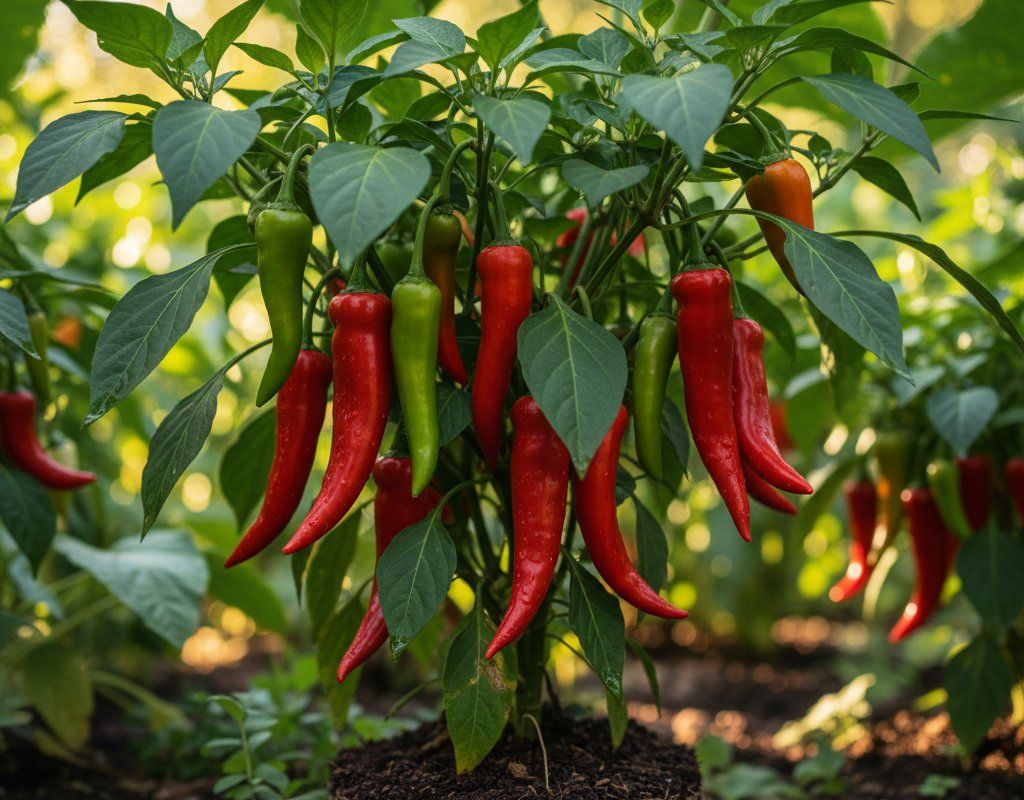
You can expect your first cayenne pepper harvest from late July through mid September, about 70 days after transplanting. Ripe peppers will be bright red, 4-6 inches long, and have a slight wrinkle on their skin. They should snap off easily from the stem.
Harvest regularly to encourage continued production. If you leave ripe peppers on the plant for too long, it can signal to the plant to stop producing new fruit. As the first frost approaches in early October, harvest all remaining peppers, even the green ones.
Green cayenne peppers can still be used, though they will be less spicy. You can also ripen them indoors by placing them in a paper bag with a ripe apple or banana. The ethylene gas released by the fruit will help them turn red.
Common Problems in Zone 6A (Mountain West)
Here are some common problems you might encounter with cayenne peppers in our region:
- Blossom Drop
- What it looks like: Flowers fall off without setting fruit. Small fruit yellows and drops. Plant looks healthy but produces no fruit.
- What causes it: Temperature stress. Our daytime highs can fluctuate dramatically, and even though our nights are cool, occasional heat waves can cause this. Also, low humidity and poor pollination can contribute.
- How to fix/prevent it: Be patient – fruit set resumes when temperatures moderate. Provide afternoon shade during extreme heat. Keep plants well-watered. Avoid excess nitrogen. Try hand-pollination.
- Aphids
- What it looks like: Clusters of tiny soft-bodied insects (green, black, or white) on stems and leaf undersides. Sticky honeydew residue. Curled or distorted new growth.
- What causes it: Rapid-reproducing sap-sucking insects. Populations explode in warm weather. Ant colonies may farm them for honeydew.
- How to fix/prevent it: Strong water spray knocks them off. Encourage ladybugs and lacewings (natural predators). Insecticidal soap for heavy infestations. Neem oil works systemically. Avoid excess nitrogen fertilizer (it attracts them).
- Pepper Weevils
- What it looks like: Small, dark beetles that chew holes in pepper fruits and leaves. You might see small, white larvae inside the peppers.
- What causes it: These pests are attracted to pepper plants and can quickly infest your garden.
- How to fix/prevent it: Regularly inspect your plants for signs of weevils. Handpick them off the plants and destroy them. Use row covers to protect your plants, especially during the early growing season. Insecticides labeled for pepper weevils can be used as a last resort, following label instructions carefully.
- Bacterial Spot
- What it looks like: Small, dark, water-soaked spots on leaves, stems, and fruit. Spots may have a yellow halo. Infected leaves may turn yellow and drop off.
- What causes it: A bacterial disease that thrives in warm, humid conditions. While our humidity is generally low, overhead watering or prolonged periods of rain can create favorable conditions.
- How to fix/prevent it: Avoid overhead watering to reduce humidity around the plants. Remove and destroy infected leaves and plants. Use copper-based fungicides as a preventative measure, following label instructions. Ensure good air circulation around the plants.
Mountain West Specific Challenges: Our moderate-at-altitude heat, combined with low humidity and dry rainfall, means that blossom drop and water stress are the biggest concerns. Focus on consistent watering, providing afternoon shade during heat waves, and monitoring for pests and diseases.
Best Companions for Cayenne Peppers
Plant these nearby for healthier Cayenne Peppers and better harvests.

Keep Away From

Companion Planting Details
Companion planting can be a great way to improve the health and productivity of your cayenne pepper plants. Tomatoes make excellent companions because they have similar growing requirements and can provide shade for peppers during the hottest part of the day. Basil is another great choice, as it repels many common pepper pests and is said to improve the flavor of the peppers. Carrots and onions can also be beneficial, as they help to deter soil-borne pests and improve soil health.
Avoid planting fennel near your cayenne peppers, as it can inhibit their growth. Kohlrabi can also be a bad companion, as it attracts cabbage white butterflies, which can damage pepper plants.
🌸Best Flowers to Plant with Cayenne Peppers
These flowers protect your Cayenne Peppers from pests and attract pollinators for better harvests.
For Pest Control

Get a Reminder When It's Time to Plant
We'll email you when key planting windows open for your zone.