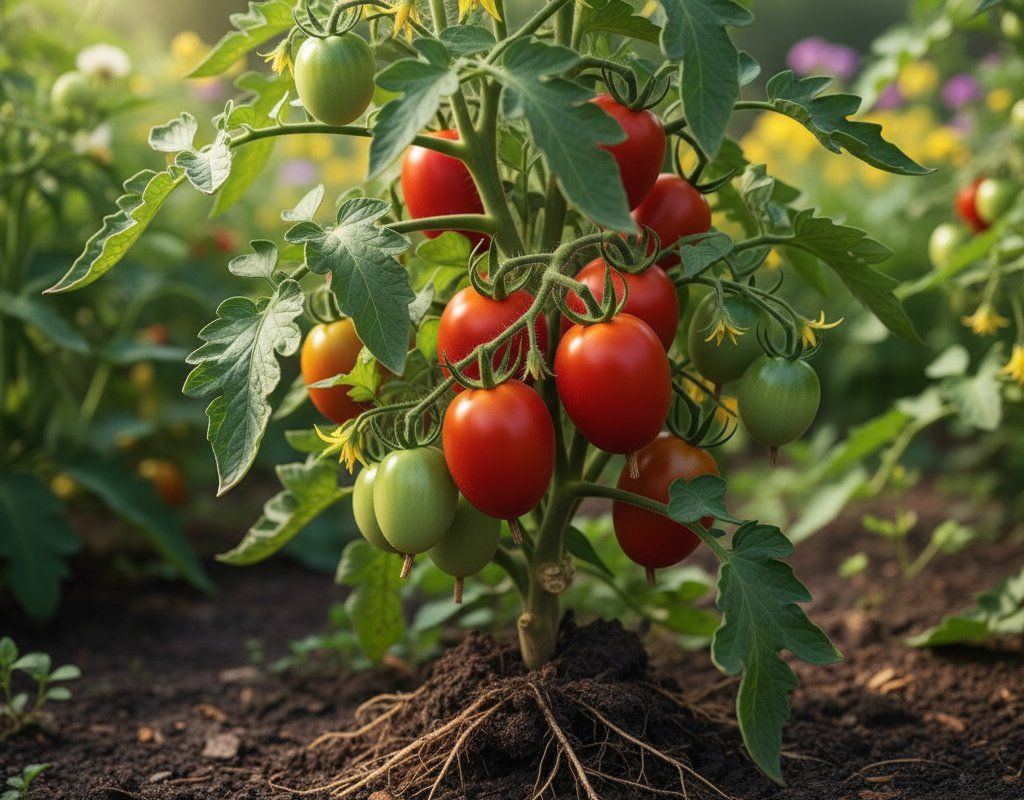
Roma Tomatoes in Zone 6A — Mountain West
Solanum lycopersicum · Your Complete 2026 Planting Guide
Planning Ahead — Great!
You’re ahead of the season. Here’s when to start.
Mark Your Calendar
How to Plant Roma Tomatoes in Zone 6A — Mountain West
Here are all your options for getting roma tomatoes in the ground, from the easiest method to more advanced approaches.
Start Seeds Indoors
RecommendedLate March through mid April
around April 3
Then transplant: Mid May through mid June
Start seeds 6-8 weeks before transplanting outdoors.
Buy Starts
Works WellMid May through mid June
around May 15
Plant purchased starts after last frost (May 1).
Direct Sow Seeds
ChallengingDirect sowing is not typical for Roma Tomatoes.
Transplant Outdoors
Timing InfoMid May through mid June
around May 15
Wait until nighttime temperatures stay above 50°F.
You have a nice window — no need to rush.
Overview
Roma tomatoes shine in our Mountain West gardens, delivering the meaty, low-moisture flesh that makes them perfect for sauces, paste, and canning. Our intense high-altitude sun concentrates their flavors beautifully, while cool nights even in summer help develop that rich, complex taste you can't get from store-bought varieties. The determinate growth habit works particularly well here since you get a concentrated harvest that fits our shorter season.
Growing Roma tomatoes at altitude does present challenges—our late spring start, intense UV, and early fall frost compress the growing season significantly. However, with our 153-day growing window and proper timing, you can easily grow these productive paste tomatoes from transplant to harvest. The key is starting seeds indoors well before our unpredictable spring weather settles.
Starting Seeds Indoors
Start your Roma tomato seeds indoors during late March through mid-April, about 6 weeks before you plan to transplant outside. This timing accounts for our notoriously late Mountain spring and gives seedlings enough time to develop strong root systems before facing our intense sun and cool nights.
Set up seed trays with quality seed-starting mix in a warm location—Roma seeds germinate best with soil temperatures around 70-75°F. A heat mat helps maintain consistent warmth, especially important during our cool spring nights. Once seedlings emerge, provide strong light for 14-16 hours daily using grow lights positioned 2-3 inches above the plants.
Bottom watering works best for tomato seedlings—place trays in shallow pans of water and let them absorb moisture from below. This prevents damping-off disease and keeps stems strong. When seedlings develop their first true leaves, transplant into individual 4-inch pots to give roots room to develop before the big move outdoors.
Transplanting Outdoors
Transplant your Roma seedlings outdoors from mid-May through mid-June, after all danger of frost has passed and soil has warmed. In our Mountain climate, this timing ensures you avoid those surprise late-season cold snaps that can devastate tender transplants. Wait until nighttime temperatures consistently stay above 50°F.
Harden off seedlings gradually over 7-10 days before transplanting. Start with 2-3 hours of morning sun, gradually increasing outdoor exposure while protecting from our intense midday UV. Our low humidity and temperature swings between day and night can shock unprepared plants, so this acclimatization step is crucial.
Space Roma plants 24-36 inches apart to ensure good air circulation—important in our dry climate where proper airflow helps prevent the few diseases that can take hold. Plant deep, burying 2/3 of the stem to encourage strong root development. This deep planting helps plants access moisture in our well-draining, often sandy Mountain soils.
Watering Roma Tomatoes in Zone 6A (Mountain West)
Consistent moisture is absolutely critical for Roma tomatoes in our dry Mountain climate. These paste tomatoes are particularly susceptible to blossom end rot when watering becomes irregular, and our low humidity and intense sun can quickly stress plants between waterings. Aim for 1-1.5 inches of water weekly, including any natural rainfall (which averages only 10-20 inches annually here).
Water deeply at the base rather than overhead—our low humidity means foliar diseases are less of a concern, but watering at soil level conserves precious moisture and directs it where roots need it most. Use the finger test: stick your finger 2 inches into soil near the plant. If it's dry at that depth, it's time to water thoroughly.
Early morning watering works best in our climate, giving plants moisture to handle the day's intense sun while avoiding the shock of cold water on warm soil during peak afternoon heat. Our moderate summer temperatures (typically reaching 85°F) mean you won't need the excessive watering required in hotter regions, but consistency matters more than quantity.
Mulch heavily with 3-4 inches of organic matter to retain soil moisture and buffer against our dramatic day-night temperature swings. Straw, grass clippings, or shredded leaves help maintain even soil moisture—the key to preventing blossom end rot on these elongated fruits. Watch for wilting during our occasional heat waves and adjust watering accordingly.
Supporting Your Roma Tomatoes
Install cages or stakes at planting time to avoid disturbing established roots later. Roma tomatoes are determinate varieties, meaning they grow to a specific height (usually 3-4 feet) then stop, making them perfect for shorter tomato cages. The heavy fruit load these plants produce definitely benefits from support, especially when our afternoon thunderstorms bring strong winds.
Sturdy 4-foot cages work well for most Roma plants, though you can also use single stakes with soft ties. In our windy Mountain conditions, choose substantial support—flimsy cages will collapse under the weight of a full crop. Wire cages with 6-inch openings allow easy harvesting of the oblong fruits.
Tie plants loosely as they grow, using soft materials like cloth strips or plant ties. Avoid tight restrictions that cut into stems, especially important when plants are dealing with our intense UV exposure. Roma's compact, bushy growth habit means less training than indeterminate varieties, but occasional guidance keeps fruit off the ground and improves air circulation.
🧪Fertilizing Roma Tomatoes
Feeding Schedule
Organic Fertilizer Options
Harvest Time
Expect your first Roma tomatoes from late July through mid-September, about 75 days from transplant. The exact timing depends on when you transplanted and our variable summer weather patterns. These paste tomatoes ripen over a concentrated 2-3 week period rather than continuously, making them ideal for preserving projects.
Harvest when fruits are deep red throughout with no green shoulders, and the flesh yields slightly to gentle pressure while remaining firm. Unlike slicing tomatoes, Romas should feel solid and meaty when ready. The fruit will detach easily from the stem when fully ripe—if you're pulling hard, wait another day or two.
Pick regularly during peak harvest to encourage the plant to continue producing. Roma plants typically provide 2-3 harvests over their productive period. Store ripe tomatoes at room temperature for best flavor, using them quickly since the low moisture content means they don't keep as long as slicing varieties.
As first frost approaches in early October, harvest all remaining fruits regardless of ripeness. Green and partially ripe Romas will continue ripening indoors if placed in a warm spot out of direct sun. Wrap individual fruits in newspaper or place in paper bags with a ripe apple to speed the process—a useful trick when our growing season ends abruptly.
Common Problems in Zone 6A (Mountain West)
Blossom End Rot This appears as dark, sunken patches on the bottom end of fruits, often affecting the first tomatoes of the season. You'll see black or brown leathery spots that make fruits unusable. It's not a disease but a calcium uptake problem triggered by inconsistent watering—especially common in our low-humidity climate where soil moisture fluctuates dramatically. Fix this by maintaining consistent soil moisture through regular watering and heavy mulching. Our alkaline Mountain soils usually contain adequate calcium, but plants can't absorb it during drought-flood cycles. Remove affected fruits immediately.
Early Blight Watch for brown spots with distinctive concentric rings (bullseye pattern) on lower leaves first, then spreading upward. Leaves yellow and drop, weakening plants significantly. This fungal disease thrives in warm conditions and spreads through soil splash during watering. Prevent by watering at soil level rather than overhead, and maintain good air circulation with proper spacing. Remove affected leaves immediately (don't compost them), and apply mulch to prevent soil from splashing onto foliage. In our low-humidity climate, this disease is less problematic than in humid regions, but poor air circulation can still cause issues.
Fusarium Wilt You'll notice wilting on one side of the plant first, with yellowing leaves and eventual plant death. Cut stems show brown streaking inside. This soil-borne fungus persists for years and enters through roots, favored by our warm summer soil temperatures. No cure exists once plants are infected—remove and destroy affected plants immediately. Prevention includes planting resistant varieties (marked with 'F' on seed packets), rotating crops yearly, and maintaining soil pH above 6.5. Our alkaline Mountain soils naturally help suppress this fungus.
Mountain West Specific Challenges: Our intense UV can cause sun scald on fruits, especially during heat waves. Our frequent hail poses a serious threat to developing fruits—row covers during storm warnings help protect plants. The combination of hot days and cool nights can slow ripening, so focus on varieties with shorter maturity times like Roma.
Best Companions for Roma Tomatoes
Plant these nearby for healthier Roma Tomatoes and better harvests.
View Full Companion Planting Chart →



Companion Planting Details
Plant basil near your Roma tomatoes—it naturally repels aphids and whiteflies while thriving in similar growing conditions. Carrots make excellent companions since their deep taproots don't compete with tomato roots, and they help break up our often-compacted Mountain soils. Marigolds planted throughout the tomato patch deter nematodes and add beneficial color while attracting pollinators for nearby crops.
Avoid planting brassicas (cabbage, broccoli, cauliflower) near tomatoes as they compete for similar nutrients and can stunt tomato growth. Keep fennel away from tomatoes—it releases compounds that inhibit tomato development. Corn should be planted elsewhere since it attracts the same pests (particularly hornworms) and creates too much shade for sun-loving Roma tomatoes in our intense Mountain light.
🌸Best Flowers to Plant with Roma Tomatoes
These flowers protect your Roma Tomatoes from pests and attract pollinators for better harvests.
For Pest Control



For Pollinators

Get a Reminder When It's Time to Plant
We'll email you when key planting windows open for your zone.