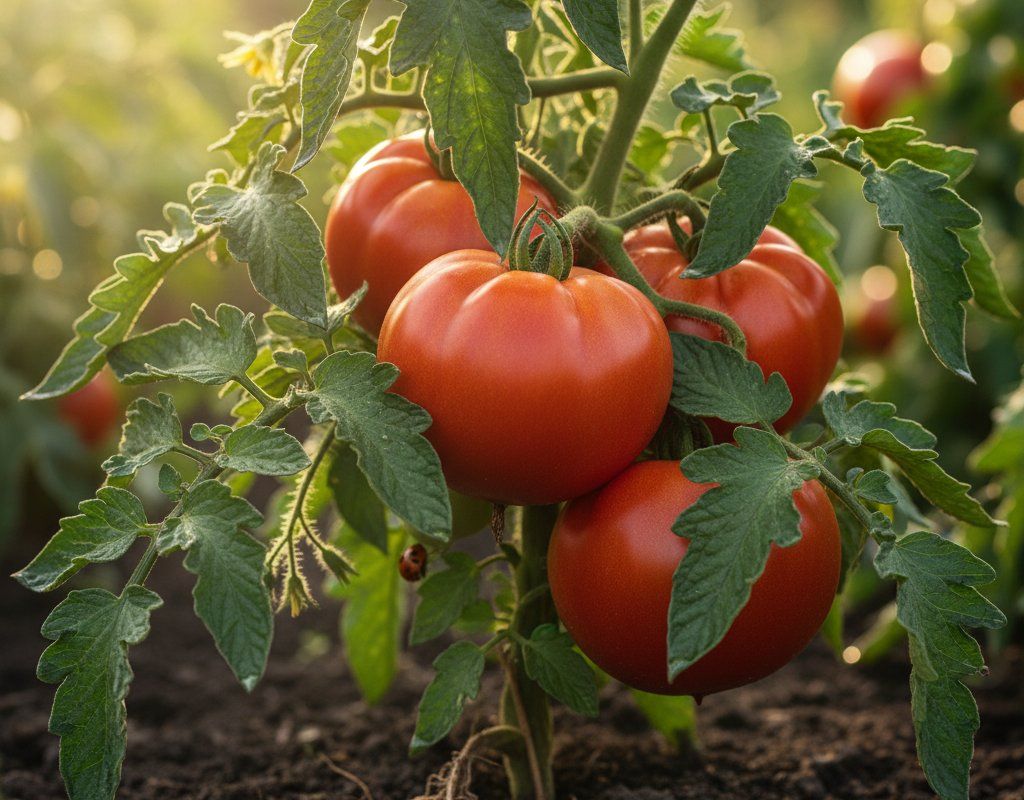
Beefsteak Tomatoes in Zone 6A — Mountain West
Solanum lycopersicum · Your Complete 2026 Planting Guide
Planning Ahead — Great!
You’re ahead of the season. Here’s when to start.
Mark Your Calendar
How to Plant Beefsteak Tomatoes in Zone 6A — Mountain West
Here are all your options for getting beefsteak tomatoes in the ground, from the easiest method to more advanced approaches.
Start Seeds Indoors
RecommendedLate March through mid April
around April 3
Then transplant: Mid May through mid June
Start seeds 6-8 weeks before transplanting outdoors.
Buy Starts
Works WellMid May through mid June
around May 15
Plant purchased starts after last frost (May 1).
Direct Sow Seeds
ChallengingDirect sowing is not typical for Beefsteak Tomatoes.
Transplant Outdoors
Timing InfoMid May through mid June
around May 15
Wait until nighttime temperatures stay above 50°F.
You have a nice window — no need to rush.
Overview
Growing beefsteak tomatoes in our Mountain West gardens rewards you with massive, meaty fruits that put store-bought varieties to shame. These giants thrive in our intense high-altitude sunlight, and our cool nights actually improve their flavor and reduce splitting compared to lower elevations. At 85 days to maturity, they fit perfectly within our 153-day growing season when properly timed.
Our short season and cool spring nights present challenges, but starting seeds indoors gives beefsteaks the head start they need. With proper timing and support for these heavy producers, you'll harvest impressive 1-2 pound tomatoes from early August through our first frost in early October.
Starting Seeds Indoors
Start your beefsteak tomato seeds indoors from late March through mid-April, about 6 weeks before your planned transplant date. Our late Mountain springs mean indoor starting isn't optional—it's essential for getting these heat-loving plants mature enough to handle our unpredictable May weather.
Set up seed trays with quality seed-starting mix in a warm location (70-75°F works best). Bottom watering prevents damping-off disease and keeps seedlings healthy in our dry indoor air. Once seeds germinate, move them under grow lights or to your brightest south-facing window.
Keep seedlings warm and gradually increase their light exposure as they develop their first true leaves. Our intense UV means they'll need careful hardening off later, but strong indoor growth gives them the foundation they need to succeed in Mountain gardens.
Transplanting Outdoors
Wait until mid-May through mid-June to transplant your beefsteaks outdoors—patience pays off in our climate where late cold snaps can devastate tender plants. Even though our last average frost passes in early May, cool nights and unexpected weather swings make waiting worthwhile.
Harden off your seedlings gradually over one week, starting with just 2-3 hours of morning sun and building up to full-day exposure. Our intense high-altitude UV can shock plants that aren't properly acclimated, so don't rush this process.
Space plants 36-48 inches apart to accommodate their massive size and improve air circulation in our low-humidity climate. Plant them deeply, burying 2/3 of the stem to encourage strong root development. This extra root system helps them handle our dry conditions and occasional temperature swings.
Watering Beefsteak Tomatoes in Zone 6A (Mountain West)
Beefsteak tomatoes need consistent, deep watering in our dry Mountain climate—more than most gardeners initially expect. These large-fruited varieties demand about 2 inches of water weekly, but our 10-20 inches of annual rainfall means you'll be providing most of that irrigation yourself.
Water deeply at the base of plants rather than overhead, taking advantage of our low humidity that reduces disease pressure. Use the finger test: if the soil feels dry 2 inches down, it's time to water. In our moderate summer heat (typical highs around 85°F), this usually means watering every 2-3 days once fruits begin sizing up.
Inconsistent watering causes fruit cracking and blossom end rot—problems that plague beefsteaks more than smaller varieties. Morning watering gives plants time to absorb moisture before our intense afternoon sun hits. Apply 3-4 inches of organic mulch around plants to retain moisture and moderate soil temperature swings.
Watch for wilting in late afternoon as an early warning sign of water stress. Underwatered plants produce small, bitter fruits, while overwatered ones develop weak stems and pale foliage. In our dry air, plants rarely stay soggy long, so err slightly on the side of more water rather than less.
Supporting Your Beefsteak Tomatoes
Install sturdy cages or stakes at planting time—beefsteak varieties grow 6-8 feet tall and produce fruit weighing over a pound each. Standard tomato cages collapse under this weight, so invest in heavy-duty cages or use thick wooden stakes (2x2 inches minimum) with strong ties.
Indeterminate beefsteaks keep growing all season, requiring ongoing support as they reach toward our intense Mountain sun. Tie stems loosely using soft materials like cloth strips, allowing for continued growth while preventing wind damage during our afternoon thunderstorms.
Train the main stem upward and secure heavy fruiting branches individually as they develop. Our occasional hail makes sturdy support even more critical—well-supported plants bounce back better from weather damage than those allowed to sprawl.
Pruning & Maintaining Beefsteak Tomatoes
Remove suckers (shoots growing between main stems and branches) throughout the growing season to direct energy into fruit production rather than excess foliage. For beefsteaks, this means fewer but larger tomatoes—exactly what you want from these varieties.
Prune off lower leaves once plants reach 18 inches tall, removing any foliage touching the ground. This improves air circulation in our low-humidity climate and prevents soil-borne diseases from splashing up during watering or our brief but intense summer thunderstorms.
As first frost approaches in early October, top plants by pinching growing tips in late August. This forces energy into ripening existing fruit rather than setting new flowers that won't have time to mature in our short season.
🧪Fertilizing Beefsteak Tomatoes
Feeding Schedule
Organic Fertilizer Options
Harvest Time
Expect your first ripe beefsteaks from early August through late September, depending on when you transplanted and your specific growing conditions. These 85-day varieties reward patience with fruits that can easily weigh 1-2 pounds when properly grown.
Harvest when fruits show deep, even color and yield slightly to gentle pressure when cupped in your palm. Don't wait for them to soften completely on the plant—beefsteaks continue ripening after picking and develop better flavor when brought indoors just before full ripeness.
Twist and pull ripe fruits gently, or use clean pruners to avoid damaging the vine. Check plants every 2-3 days once harvest begins—these large fruits can go from perfect to overripe quickly in our intense sun and temperature swings.
As early October approaches, harvest all mature green fruits before frost threatens. Beefsteaks ripen well indoors when wrapped in newspaper and stored at room temperature. This extends your harvest window by several weeks, maximizing your return from these impressive plants in our short growing season.
Common Problems in Zone 6A (Mountain West)
Cracking appears as splits radiating from the stem or circling around it, often exposing flesh to rot. Our low humidity actually helps here, but inconsistent watering remains the main culprit. Heavy irrigation after dry spells causes fruit to expand faster than skin can stretch. Water consistently rather than deeply but infrequently, and harvest promptly when ripe to prevent splits from worsening.
Catfacing creates deep crevices and deformed, lumpy fruit that looks unsightly but remains edible. Cool nights during flowering cause incomplete pollination—a particular concern in our Mountain climate where even summer nights can drop into the 40s. Protect early plantings with row covers and avoid transplanting too early when nighttime temperatures haven't stabilized above 50°F.
Blossom end rot shows as dark, sunken patches on the bottom of fruits, typically affecting the season's first tomatoes. Despite our alkaline soil containing plenty of calcium, inconsistent watering prevents plants from absorbing it properly. Maintain steady soil moisture with deep, regular watering and 3-4 inches of mulch. This problem often resolves itself as you establish better watering routines.
Slow ripening leaves you with large green fruits that seem stuck in development. Our cool nights (even in summer) can slow ripening, especially early and late in the season. Ensure plants receive full sun and reduce nitrogen fertilizer that promotes foliage over fruit development. Remove excess leaves shading fruits and consider red plastic mulch to increase soil warmth.
Our Mountain West conditions actually favor beefsteak tomatoes once established—the intense UV and moderate temperatures create ideal growing conditions. However, our short season means timing everything correctly becomes critical for success with these slower-maturing varieties.
Best Companions for Beefsteak Tomatoes
Plant these nearby for healthier Beefsteak Tomatoes and better harvests.
View Full Companion Planting Chart →



Companion Planting Details
Plant basil near your beefsteaks to improve their flavor while deterring aphids and hornworms with its strong scent. Carrots make excellent companions, breaking up our often clay-heavy soils with their taproots while taking up little space between widely-spaced tomato plants. Parsley attracts beneficial insects that help with pollination and pest control, particularly valuable in our low-humidity climate where beneficial insect populations can be smaller.
Marigolds planted around tomatoes repel nematodes and whiteflies while adding color to your garden. Avoid planting brassicas like cabbage or broccoli nearby—they compete for similar nutrients and can stunt tomato growth. Keep fennel and corn away from beefsteaks as well, since fennel inhibits growth and corn attracts similar pests without providing any benefits to your tomato plants.
🌸Best Flowers to Plant with Beefsteak Tomatoes
These flowers protect your Beefsteak Tomatoes from pests and attract pollinators for better harvests.


Get a Reminder When It's Time to Plant
We'll email you when key planting windows open for your zone.