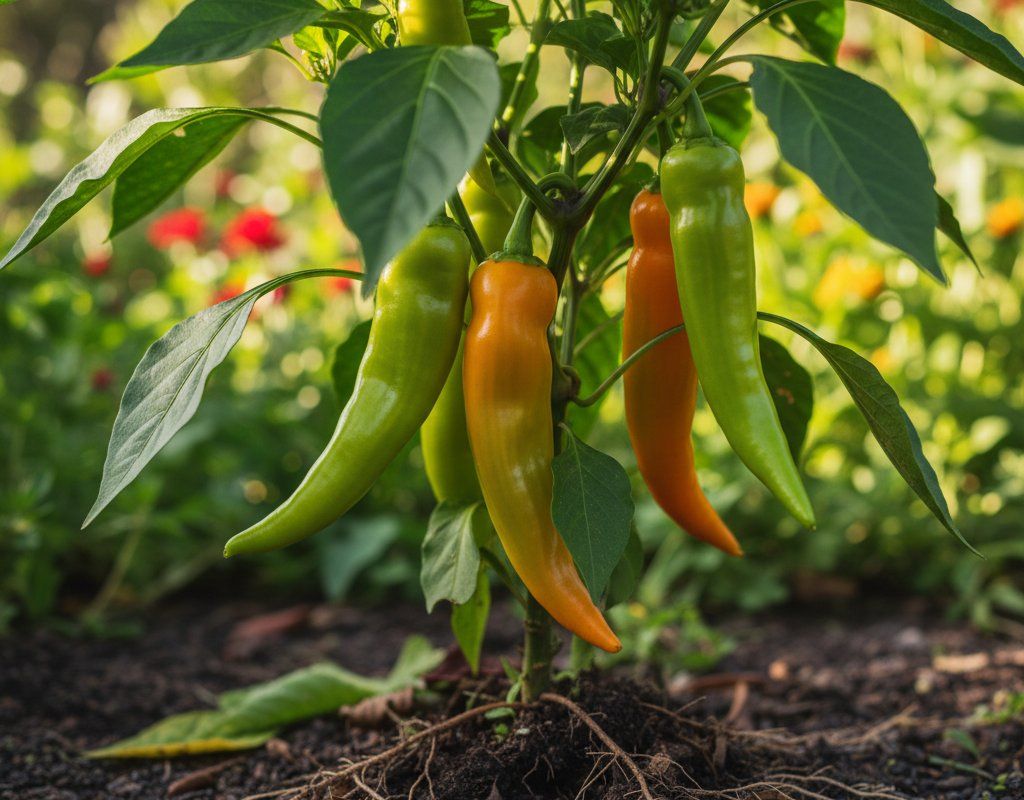
Cubanelle Pepper in Zone 10A — Desert Southwest
Capsicum annuum 'Cubanelle' · Your Complete 2026 Planting Guide
Check Planting Details Below
See the full planting guide for timing information.
How to Plant Cubanelle Pepper in Zone 10A — Desert Southwest
Here are all your options for getting cubanelle pepper in the ground, from the easiest method to more advanced approaches.
Start Seeds Indoors
RecommendedEarly to late December
around December 9
Then transplant: Early February through early March
Start seeds 8-10 weeks before transplanting outdoors.
Buy Starts
Works WellEarly February through early March
around February 3
Plant purchased starts after last frost (January 20).
Direct Sow Seeds
ChallengingDirect sowing is not typical for Cubanelle Pepper.
Transplant Outdoors
Timing InfoEarly February through early March
around February 3
Wait until nighttime temperatures stay above 50°F.
You have a nice window — no need to rush.
Overview
Cubanelle peppers are a fantastic choice for the Desert Southwest garden. Their mild, sweet flavor and thin walls make them perfect for frying, roasting, or stuffing – a real treat after our long, hot summers. Plus, there's a real satisfaction in harvesting your own peppers when the grocery store produce just doesn't cut it.
Sure, desert gardening comes with its challenges, like extreme heat and alkaline soil. But with a little planning and the right timing, you can absolutely grow delicious Cubanelle peppers here. Our long 339-day growing season gives you two chances to get it right – a spring and a fall crop.
Starting Seeds Indoors
Starting Cubanelle peppers indoors is the way to go in our climate. Begin in early to late December, giving your peppers about 8 weeks to get a head start before transplanting. This is especially important because our spring is so early.
Use seed trays with a good seed-starting mix. Keep them warm (around 75-80°F) and provide plenty of light – a grow light works wonders. Don't forget to water from the bottom to avoid damping off. This helps keep the soil evenly moist without overwatering the delicate seedlings.
Transplanting Outdoors
Transplant your Cubanelle pepper seedlings outdoors from early February through early March. Before planting, harden them off by gradually exposing them to the outdoor elements for about a week. This prevents shock when they go into the garden.
Space them 18-24 inches apart in a sunny spot. Even in February, the Desert Southwest sun can be intense, so choose a location that gets morning sun and some afternoon shade, if possible. Keep an eye on the weather forecast – a late cold snap is always possible, even though it’s rare.
Watering Cubanelle Pepper in Zone 10A (Desert Southwest)
Watering is critical for Cubanelle peppers in our arid climate. They need moderate water, but their thin walls mean they wilt quickly if underwatered. It’s a balancing act in the extreme heat.
During the spring and fall growing seasons, water deeply about 2-3 times per week, providing about 1-2 inches of water each time. Use the finger test – if the top 2 inches of soil are dry, it's time to water. During the monsoon season, let the rain do some of the work, but supplement as needed. Avoid overhead watering to prevent fungal diseases in our humid monsoon conditions; water at the base of the plant instead.
Signs of underwatering include wilting leaves and dry soil. Overwatering can lead to yellowing leaves and root rot. A good layer of organic mulch, like compost or shredded bark, helps retain moisture and regulate soil temperature, which is essential for summer survival.
Supporting Your Cubanelle Pepper
Cubanelle peppers are bush-type plants, and while they don't necessarily *need* support, a little staking can be helpful, especially when they're laden with fruit. The extra weight can cause branches to break.
Install a stake or tomato cage at planting time to avoid disturbing the roots later. As the plant grows, gently tie the main stem to the support. This is especially helpful during monsoon season when heavy rains and wind can be tough on the plants.
Pruning & Maintaining Cubanelle Pepper
Pinching off the early flowers on your Cubanelle pepper plants encourages them to focus on vegetative growth, resulting in stronger, more productive plants later on. Do this for the first few sets of flowers that appear.
Otherwise, Cubanelle peppers don't require a lot of pruning. Regular harvesting encourages more fruit production. As the first frost approaches in late December, you can prune back the plant to encourage it to focus its energy on ripening the remaining peppers.
🧪Fertilizing Cubanelle Pepper
Feeding Schedule
Organic Fertilizer Options
Harvest Time
You can expect your first harvest of Cubanelle peppers from mid April through early June, about 70 days after transplanting. Look for peppers that are pale yellow-green and 4-6 inches long. They should feel firm but not hard.
To harvest, use sharp scissors or pruning shears to cut the pepper from the plant, leaving a short stem attached. This prevents damage to the plant and helps the peppers last longer. Regular harvesting encourages continued production throughout the season.
As the first frost approaches in late December, harvest any remaining peppers, even if they're still green. They will ripen indoors in a warm, well-lit place. You can wrap them individually in newspaper to prevent them from touching and rotting.
Common Problems in Zone 10A (Desert Southwest)
Here are the top 3 problems you might encounter with Cubanelle peppers in the Desert Southwest:
Thin Walls Bruise Easily
- What it looks like: Dark spots or blemishes on the pepper's surface, especially after handling.
- What causes it: The thin skin and flesh of Cubanelle peppers make them susceptible to bruising, especially during harvesting or transport. This is exacerbated by our intense sun, which can weaken the pepper's skin.
- How to fix/prevent it: Handle peppers gently during harvest. Store them carefully to avoid bumping or crushing. Provide shade during the hottest part of the day with shade cloth.
Aphids
- What it looks like: Clusters of tiny soft-bodied insects (green, black, or white) on stems and leaf undersides. Sticky honeydew residue. Curled or distorted new growth.
- What causes it: Rapid-reproducing sap-sucking insects. Populations explode in warm weather. Ant colonies may farm them for honeydew.
- How to fix/prevent it: Strong water spray knocks them off. Encourage ladybugs and lacewings (natural predators). Insecticidal soap for heavy infestations. Neem oil works systemically. Avoid excess nitrogen fertilizer (it attracts them).
Blossom End Rot
- What it looks like: Sunken, dark brown or black leathery patch on the bottom (blossom end) of fruit. Often affects first fruits of the season.
- What causes it: Calcium deficiency caused by inconsistent watering. Not a disease — it's a nutrient uptake problem triggered by drought/flood cycles.
- How to fix/prevent it: Water consistently (the single most effective fix). Mulch heavily to maintain even soil moisture. Don't over-fertilize with nitrogen. Calcium sprays help marginally. Remove affected fruit.
Desert Southwest Specific Challenges: The extreme heat and arid humidity of the Desert Southwest can stress Cubanelle pepper plants, making them more susceptible to pests and diseases. The monsoon season can bring periods of intense rainfall followed by long stretches of dryness, leading to inconsistent watering and blossom end rot. Consistent watering and shade cloth are essential for summer survival.
Best Companions for Cubanelle Pepper
Plant these nearby for healthier Cubanelle Pepper and better harvests.




Keep Away From

Companion Planting Details
Companion planting can really help your Cubanelle peppers thrive in the Desert Southwest.
Good companions include tomatoes and basil. Tomatoes provide shade, protecting the peppers from sunscald, and basil repels many common pests. Carrots and onions are also great companions because they don't compete for the same nutrients and can help deter soil-borne pests.
Avoid planting fennel or brassicas (like cabbage and broccoli) near your Cubanelle peppers. Fennel inhibits the growth of many plants, and brassicas are heavy feeders that can deplete the soil of nutrients that your peppers need.
🌸Best Flowers to Plant with Cubanelle Pepper
These flowers protect your Cubanelle Pepper from pests and attract pollinators for better harvests.
For Pest Control


For Pollinators


Get a Reminder When It's Time to Plant
We'll email you when key planting windows open for your zone.