Cubanelle Pepper in Zone 6B — Mountain West
Capsicum annuum 'Cubanelle' · Your Complete 2026 Planting Guide
Planning Ahead — Great!
You’re ahead of the season. Here’s when to start.
Mark Your Calendar
How to Plant Cubanelle Pepper in Zone 6B — Mountain West
Here are all your options for getting cubanelle pepper in the ground, from the easiest method to more advanced approaches.
Start Seeds Indoors
RecommendedEarly to late March
around March 14
Then transplant: Early May through early June
Start seeds 8-10 weeks before transplanting outdoors.
Buy Starts
Works WellEarly May through early June
around May 9
Plant purchased starts after last frost (April 25).
Direct Sow Seeds
ChallengingDirect sowing is not typical for Cubanelle Pepper.
Transplant Outdoors
Timing InfoEarly May through early June
around May 9
Wait until nighttime temperatures stay above 50°F.
You have a nice window — no need to rush.
Overview
Cubanelle peppers are a fantastic choice for the Mountain West garden. Their mild, slightly sweet flavor and thin walls make them perfect for frying, stuffing, or adding to salsas. Plus, that beautiful pale yellow-green color really pops in the garden. You'll find the cool nights even in summer here actually concentrate their sweetness.
Our short growing season and alkaline soil can be a challenge, but starting Cubanelles indoors and choosing the right location gives you a head start. With a bit of attention to watering and soil, you can easily harvest plenty of peppers within our 163-day growing season.
Starting Seeds Indoors
Starting your Cubanelle pepper seeds indoors is essential in our Zone 6B Mountain climate. You'll want to get those seeds going in early to late March, about eight weeks before you plan to transplant them outside. This gives them the head start they need to mature before our first frosts arrive.
Use seed trays or small pots filled with a good seed-starting mix. Keep the soil consistently moist, but not soggy; bottom watering is a great way to achieve this. Place the trays in a warm location, ideally around 75-80°F, and provide plenty of light, either from a sunny window or a grow light. Remember, our spring weather can be unpredictable, so keep an eye on the forecast.
Transplanting Outdoors
Transplanting your Cubanelle pepper seedlings outdoors should happen in early May through early June, once the danger of frost has passed. Before transplanting, harden off your seedlings by gradually exposing them to outdoor conditions for about a week. This will help them adjust to the intense sun and cooler nights.
Choose a sunny spot in your garden with well-drained soil. Space the plants 18-24 inches apart to give them plenty of room to grow. Keep an eye on nighttime temperatures after transplanting; if a late frost is predicted, cover your plants with blankets or row covers.
Watering Cubanelle Pepper in Zone 6B (Mountain West)
Cubanelle peppers need consistent moisture, especially with our dry Mountain air. They aren't drought-tolerant, and those thin walls mean they'll wilt fast if they get too dry. A good rule of thumb is to water deeply about once or twice a week, depending on the weather.
Use the finger test: stick your finger about two inches into the soil. If it feels dry, it's time to water. Aim for about 1-2 inches of water per week, either from rain or irrigation. Water at the base of the plant to avoid wetting the foliage, which can lead to fungal problems.
Signs of underwatering include wilting leaves and dry soil. Overwatering can cause yellowing leaves and root rot. Mulching around the base of the plants with straw or wood chips helps retain moisture and regulate soil temperature.
Supporting Your Cubanelle Pepper
While not strictly necessary, providing some support for your Cubanelle pepper plants can be a good idea, especially when they're loaded with fruit. Those peppers can get heavy!
A simple stake or small tomato cage works well. Install the support at planting time to avoid disturbing the roots later on. As the plant grows, gently tie the stems to the support with soft twine or plant ties. This will help prevent the branches from breaking under the weight of the peppers.
Pruning & Maintaining Cubanelle Pepper
Pinching off the early flowers on your Cubanelle pepper plants can encourage them to focus their energy on vegetative growth, resulting in a stronger, more productive plant later in the season.
Simply remove the first few flowers that appear. As the season progresses, regularly harvest the peppers to encourage the plant to produce more. Before the first frost in early October, you can prune off any new flowers or small peppers to encourage the plant to ripen the existing fruit.
🧪Fertilizing Cubanelle Pepper
Feeding Schedule
Organic Fertilizer Options
Harvest Time
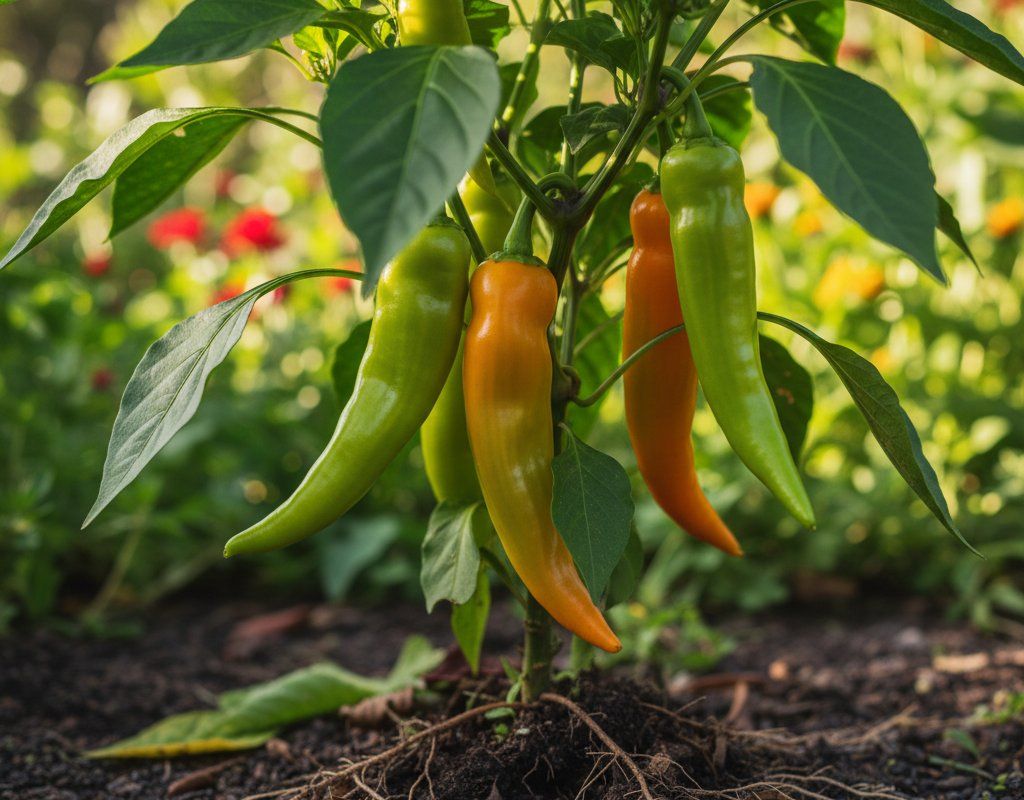
You can expect your first Cubanelle pepper harvest from mid July through early September, about 70 days after transplanting. The peppers are ready to harvest when they are pale yellow-green, 4-6 inches long, and have a slightly waxy sheen.
Gently twist or cut the peppers from the plant, being careful not to damage the stems. Regular harvesting encourages the plant to produce more peppers. As the first frost approaches in early October, harvest any remaining peppers, even if they're not fully ripe. Green peppers will ripen indoors if stored in a paper bag with an apple or banana.
Common Problems in Zone 6B (Mountain West)
Here are a few common problems you might encounter with Cubanelle peppers in the Mountain West:
Thin Walls Bruise Easily
- What it looks like: Dark spots or blemishes on the pepper's skin, especially after handling.
- What causes it: The delicate skin of Cubanelle peppers is easily damaged during picking, transport, or even from hail.
- How to fix/prevent it: Handle peppers gently during harvest. Use padding in your harvest basket. Protect plants from hail with netting if possible.
Aphids
- What it looks like: Clusters of tiny green, black, or white insects on stems and leaf undersides. Sticky honeydew residue. Curled or distorted new growth.
- What causes it: Rapid-reproducing sap-sucking insects. Populations explode during warm spells. Ants may farm them.
- How to fix/prevent it: Strong water spray knocks them off. Encourage ladybugs. Insecticidal soap or neem oil for heavy infestations. Avoid excess nitrogen fertilizer.
Blossom End Rot
- What it looks like: Sunken, dark brown or black leathery patch on the bottom (blossom end) of the fruit.
- What causes it: Calcium deficiency caused by inconsistent watering. This is especially common in our dry climate.
- How to fix/prevent it: Water consistently, especially during fruit development. Mulch heavily to maintain even soil moisture. Avoid over-fertilizing with nitrogen.
Mountain West Specific Challenges: Our intense sun can sometimes cause sunscald on the peppers, so ensure adequate foliage cover. Low humidity can help minimize fungal diseases, but also means you'll need to be extra vigilant about watering.
Best Companions for Cubanelle Pepper
Plant these nearby for healthier Cubanelle Pepper and better harvests.




Keep Away From

Companion Planting Details
Companion planting can really boost your Cubanelle pepper crop here in the Mountain West.
Tomatoes are excellent companions because they share similar growing requirements and can provide some shade to the peppers during our intense summer sun. Basil repels many common pepper pests and is said to improve the flavor of the peppers. Carrots help loosen the soil, making it easier for the pepper roots to grow, and onions deter pests like aphids.
Avoid planting fennel near your peppers, as it inhibits their growth. Brassicas like cabbage and broccoli can also stunt pepper growth, likely because they hog nutrients from our already alkaline soil.
🌸Best Flowers to Plant with Cubanelle Pepper
These flowers protect your Cubanelle Pepper from pests and attract pollinators for better harvests.
For Pest Control


For Pollinators


Get a Reminder When It's Time to Plant
We'll email you when key planting windows open for your zone.