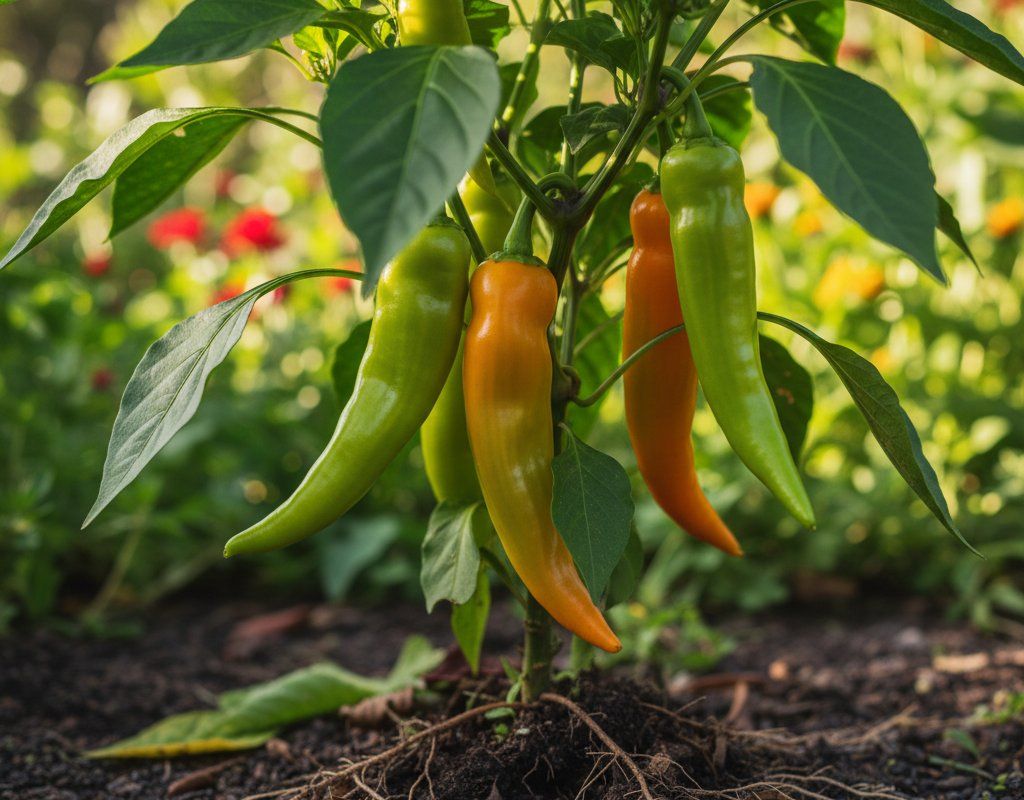
Cubanelle Pepper in Zone 9B — Desert Southwest
Capsicum annuum 'Cubanelle' · Your Complete 2026 Planting Guide
Time to Buy Starts!
Seed starting window passed, but starts are available now.
Buy Starts Now
Head to your local nursery, Home Depot, or farmers market for transplants.
- Look for stocky plants with dark green leaves
- Avoid leggy seedlings or plants already flowering
- Check that roots aren't circling the pot (rootbound)
How to Plant Cubanelle Pepper in Zone 9B — Desert Southwest
Here are all your options for getting cubanelle pepper in the ground, from the easiest method to more advanced approaches.
Start Seeds Indoors
RecommendedMid December through early January
around December 25
Then transplant: Mid February through mid March
Start seeds 8-10 weeks before transplanting outdoors.
Buy Starts
Works WellMid February through mid March
around February 19
Plant purchased starts after last frost (February 5).
Direct Sow Seeds
ChallengingDirect sowing is not typical for Cubanelle Pepper.
Transplant Outdoors
Timing InfoMid February through mid March
around February 19
Wait until nighttime temperatures stay above 50°F.
You have a nice window — no need to rush.
Overview
Cubanelle peppers are a fantastic addition to your Desert Southwest garden. Their mild, sweet flavor and thin walls make them perfect for frying, roasting, or stuffing. Plus, seeing those pale yellow-green peppers thrive in your garden, despite the challenges, is incredibly rewarding.
Our extreme heat and arid climate can be tough on many plants, but with careful timing and attention, you can absolutely grow Cubanelles here. The long 313-day growing season in Zone 9B gives you two solid chances to get a crop, as long as you plan around the worst of the summer heat.
Starting Seeds Indoors
Starting Cubanelle pepper seeds indoors is the way to go here in the Desert Southwest, especially with our very-early spring character. Aim to sow your seeds from mid December through early January. This gives them about 8 weeks to get a head start before transplanting.
Use seed trays or small pots filled with a good seed-starting mix. Keep them warm (around 75-80°F) and provide plenty of light – a grow light works great. Don't forget to water from the bottom to encourage strong root growth and prevent damping off.
Transplanting Outdoors
Transplant your Cubanelle pepper seedlings outdoors from mid February through mid March. This timing allows them to establish before the extreme heat arrives. Remember to harden them off for about a week before planting. Gradually expose them to outdoor conditions to prevent shock.
Space your plants 18-24 inches apart in well-draining soil. Even though February and March are mild here, keep an eye out for any late cold snaps – cover your seedlings if needed.
Watering Cubanelle Pepper in Zone 9B (Desert Southwest)
Watering is crucial for Cubanelle peppers in our arid Desert Southwest climate. They need moderate moisture, and those thin walls mean they'll wilt fast if they're thirsty. Aim for about 1-2 inches of water per week, depending on rainfall.
During the spring, water deeply every few days. Once the extreme summer heat kicks in, you may need to water daily, especially if they're in containers. Stick your finger about 2 inches deep into the soil – if it feels dry, it's time to water. Water at the base of the plant to avoid wetting the foliage, which can encourage fungal diseases in our monsoon season.
Watch for signs of underwatering (wilting leaves) or overwatering (yellowing leaves). A good layer of mulch will help retain moisture and keep the soil cooler.
Supporting Your Cubanelle Pepper
Cubanelle peppers have a bush-like growth habit, and while they don't *require* support, a little help can go a long way, especially when they're loaded with fruit. Light staking is your best bet.
Install stakes at planting time, placing one stake near the center of each plant. As the plant grows, gently tie the main stems to the stake with soft twine to prevent them from flopping over.
Pruning & Maintaining Cubanelle Pepper
Pruning Cubanelle peppers is pretty straightforward. To encourage bushier growth and more fruit production, pinch off any early flowers that appear. This directs the plant's energy into developing a strong root system and foliage.
Throughout the season, regularly harvest your peppers – this encourages the plant to keep producing. As the first frost approaches around mid- December, you can remove any remaining flowers to encourage the plant to focus on ripening existing fruit.
🧪Fertilizing Cubanelle Pepper
Feeding Schedule
Organic Fertilizer Options
Harvest Time
You can expect your first harvest of Cubanelle peppers from late April through mid June. They're ready to pick when they reach about 4-6 inches long and have a pale yellow-green color. The skin should be smooth and slightly waxy.
To harvest, use sharp pruners or scissors to cut the pepper from the plant, leaving a short stem attached. Regular harvesting encourages continuous production throughout the season. As the first frost looms in mid- December, harvest any remaining peppers, even if they're not fully ripe – they'll continue to ripen indoors.
Common Problems in Zone 9B (Desert Southwest)
Here are a few common problems you might encounter with Cubanelle peppers in the Desert Southwest:
Thin Walls Bruise Easily
- What it looks like: Dark spots or blemishes on the pepper's skin, especially after handling.
- What causes it: The delicate skin of Cubanelle peppers is easily damaged. Rough handling during harvest or transport can cause bruising.
- How to fix/prevent it: Handle peppers gently during harvest. Store them carefully to avoid bumping or rubbing.
Aphids
- What it looks like: Clusters of tiny green, black, or white insects on stems and leaf undersides. Sticky honeydew residue. Curled or distorted new growth.
- What causes it: Rapid-reproducing sap-sucking insects. Populations explode in warm weather. Ant colonies may farm them for honeydew.
- How to fix/prevent it: Strong water spray knocks them off. Encourage ladybugs and lacewings (natural predators). Insecticidal soap for heavy infestations. Neem oil works systemically. Avoid excess nitrogen fertilizer (it attracts them).
Blossom End Rot
- What it looks like: Sunken, dark brown or black leathery patch on the bottom (blossom end) of the fruit. Often affects first fruits of the season.
- What causes it: Calcium deficiency caused by inconsistent watering. Not a disease — it's a nutrient uptake problem triggered by drought/flood cycles.
- How to fix/prevent it: Water consistently (the single most effective fix). Mulch heavily to maintain even soil moisture. Don't over-fertilize with nitrogen. Calcium sprays help marginally. Remove affected fruit.
Desert Southwest Specific Challenges: The extreme heat and low humidity can stress Cubanelle pepper plants, making them more susceptible to pests and diseases. The monsoon season can bring periods of heavy rainfall followed by intense sun, which can exacerbate blossom end rot. Regular watering and good air circulation are essential for success. Sunscald can also be a problem, especially during the hottest months, so consider using shade cloth if needed.
Best Companions for Cubanelle Pepper
Plant these nearby for healthier Cubanelle Pepper and better harvests.




Keep Away From

Companion Planting Details
Companion planting can really help your Cubanelle peppers thrive. Tomatoes make great companions because they share similar growing requirements and can provide some shade. Basil is another good choice – it repels pests like aphids and adds flavor to your garden (and your kitchen!). Carrots help loosen the soil, improving drainage. Onions deter many pests that bother peppers.
Avoid planting fennel near your Cubanelles, as it inhibits pepper growth. Brassicas like cabbage and broccoli can also compete for nutrients and attract pests.
🌸Best Flowers to Plant with Cubanelle Pepper
These flowers protect your Cubanelle Pepper from pests and attract pollinators for better harvests.
For Pest Control


For Pollinators


Get a Reminder When It's Time to Plant
We'll email you when key planting windows open for your zone.