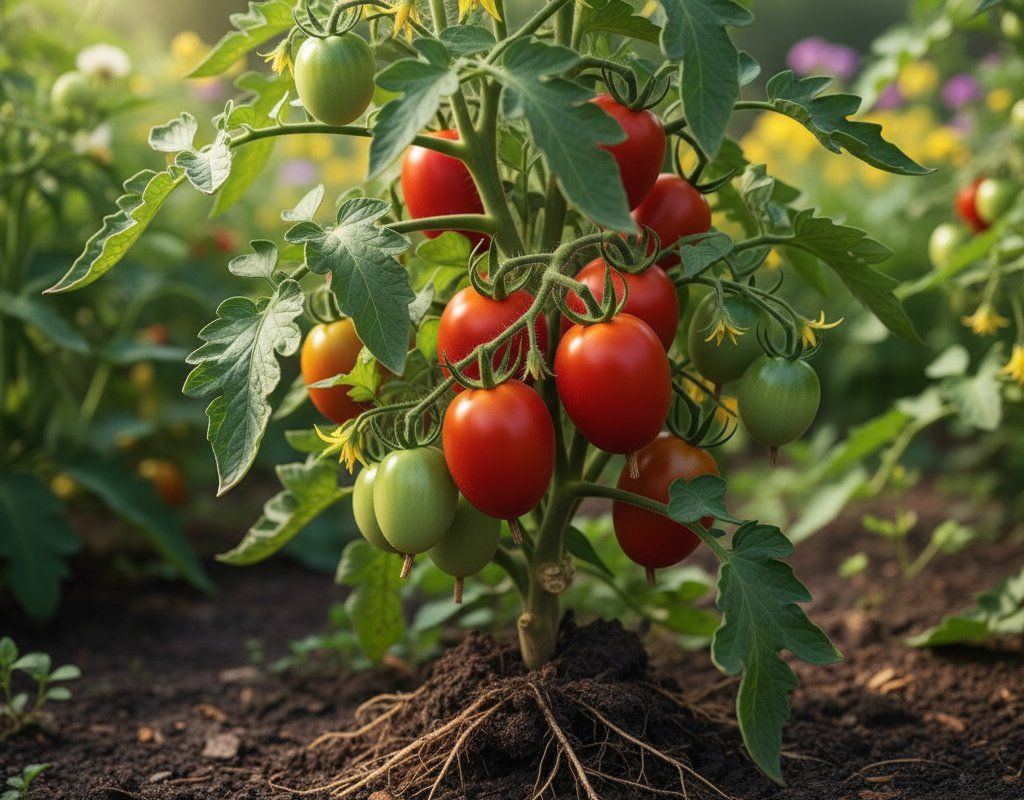
Roma Tomatoes in Zone 9B — Desert Southwest
Solanum lycopersicum · Your Complete 2026 Planting Guide
Time to Buy Starts!
Seed starting window passed, but starts are available now.
Buy Starts Now
Head to your local nursery, Home Depot, or farmers market for transplants.
- Look for stocky plants with dark green leaves
- Avoid leggy seedlings or plants already flowering
- Check that roots aren't circling the pot (rootbound)
How to Plant Roma Tomatoes in Zone 9B — Desert Southwest
Here are all your options for getting roma tomatoes in the ground, from the easiest method to more advanced approaches.
Start Seeds Indoors
RecommendedEarly to late January
around January 8
Then transplant: Mid February through mid March
Start seeds 6-8 weeks before transplanting outdoors.
Buy Starts
Works WellMid February through mid March
around February 19
Plant purchased starts after last frost (February 5).
Direct Sow Seeds
ChallengingDirect sowing is not typical for Roma Tomatoes.
Transplant Outdoors
Timing InfoMid February through mid March
around February 19
Wait until nighttime temperatures stay above 50°F.
You have a nice window — no need to rush.
Overview
Roma tomatoes are the perfect paste variety for our Desert Southwest gardens, delivering that rich, meaty texture that's ideal for sauces, salsas, and canning. Their determinate growth habit means they produce their entire crop over a concentrated period, perfect for processing those abundant harvests that thrive in our intense sun. The elongated fruit handles our dry heat better than many slicers, and their reputation for disease resistance makes them reliable performers in our challenging climate.
Growing Romas here means working with our extreme summer heat and arid conditions, but the timing is completely manageable. With our 313-day growing season, you'll plant in the sweet spot of late winter when nighttime temperatures are still cool but soil is warming. Start seeds indoors during January's mild days, transplant in February or early March, and harvest before the brutal summer heat sets in.
Starting Seeds Indoors
Start your Roma seeds indoors during early to late January, giving them about 6 weeks to develop before our very-early spring transplant window opens. In the Desert Southwest, indoor seed starting is essential since our growing season moves fast and late plantings struggle against the approaching summer heat.
Set up seed trays in a warm spot with good light—a sunny windowsill works, but supplemental grow lights give more consistent results during our short winter days. Keep soil temperature around 70-75°F for best germination. Use bottom watering whenever possible to prevent damping-off disease, which can be problematic in our dry indoor air.
Your seedlings need about 4-5 weeks of indoor growth before hardening off begins. By late January starts, you'll have sturdy transplants ready for our February planting window, perfectly timed to establish before summer's extreme temperatures arrive.
Transplanting Outdoors
Transplant your Roma seedlings outdoors from mid-February through mid-March, when nighttime lows consistently stay above 40°F and soil has begun warming. Our very-early spring character means you can often transplant earlier than gardeners in other Zone 9B regions, but watch for those unexpected late-winter cold snaps that can damage tender plants.
Harden off seedlings gradually over one week by placing them outside for increasing periods daily, starting with just 2-3 hours of morning sun. Our intense UV requires this careful transition—even young plants can get sunscald without proper acclimation. Space plants 24-36 inches apart to ensure good air circulation, which becomes critical as humidity drops through spring.
Plant on an overcast day or in late afternoon to reduce transplant shock. Our dry air and intense sun can stress newly planted seedlings quickly, so provide temporary shade cloth (30-40%) for the first week if conditions are particularly harsh.
Watering Roma Tomatoes in Zone 9B (Desert Southwest)
Roma tomatoes have high water needs and zero drought tolerance, making consistent irrigation absolutely critical in our desert climate. With typical summer highs hitting 105°F and humidity staying arid year-round, these plants will struggle without steady moisture. Even brief dry periods can trigger blossom end rot, which concentrates on Roma's elongated fruit shape.
Water deeply at the base rather than overhead—our dry air means foliar watering evaporates quickly and can encourage disease when monsoon humidity arrives. Check soil moisture using the finger test: stick your finger 2 inches deep, and water when it feels dry at that depth. During spring establishment, plan on 1-2 inches weekly, increasing to 2-3 inches as temperatures climb toward summer.
Inconsistent watering is Roma's biggest enemy, causing the calcium deficiency that leads to blossom end rot on those beautiful paste tomatoes. Set up drip irrigation or soaker hoses if possible—hand watering works but requires daily attention as soil dries fast in our heat. Mulch heavily with 3-4 inches of organic material to maintain soil moisture and keep roots cool.
Watch for stress signs: wilting during afternoon heat (normal), drooping in morning or evening (underwatered), or yellowing lower leaves (often overwatering combined with poor drainage). Our alkaline soil and extreme heat intensify both problems, so aim for that sweet spot of consistent moisture without waterlogging.
Supporting Your Roma Tomatoes
Roma tomatoes need sturdy support despite their determinate growth habit, as the concentrated fruit load can overwhelm unsupported branches. Install cages or stakes at planting time—trying to add support later risks damaging the root system, which is especially problematic in our hard-packed desert soils.
Choose shorter tomato cages (4-5 feet) since determinate varieties won't grow as tall as indeterminates, but make sure they're wide enough to accommodate the plant's bushy shape. Heavy-duty cages work better than flimsy ones, as our strong desert winds can topple inadequate support systems loaded with fruit.
For staking, use 6-foot stakes driven 18 inches deep, tying plants with soft strips every 12 inches as they grow. The determinate habit means less ongoing training than indeterminates, but secure those heavy fruit clusters as they develop—Roma's paste tomatoes get weighty when ripe.
🧪Fertilizing Roma Tomatoes
Feeding Schedule
Organic Fertilizer Options
Harvest Time
Your first Roma harvest typically arrives in early May through late June, about 75 days from transplant in our fast-moving desert growing season. These determinate plants concentrate their production, giving you several weeks of abundant harvest rather than the season-long picking of indeterminate varieties.
Romas are ready when they show deep red color throughout with no green shoulders, and the flesh has slight give when gently squeezed. The fruit should detach easily from the stem with a gentle twist—forced picking often means they need another few days. Unlike slicing tomatoes, Romas hold their shape well even when fully ripe, making them forgiving if you can't harvest daily.
Since these are determinate plants producing a concentrated crop, plan your harvest schedule around preservation activities like sauce-making or canning. The plants will give you most of their fruit within a 3-4 week window, perfect for batch processing but requiring some planning.
As our first frost approaches around mid-December (though often much later in warm years), harvest any remaining green fruits. Romas ripen well indoors when stored in a warm spot away from direct sun—wrap individual fruits in newspaper and check weekly for ripeness.
Common Problems in Zone 9B (Desert Southwest)
Blossom End Rot What it looks like: Sunken, dark brown or black leathery patches on the bottom (blossom end) of developing fruit. Often affects the first fruits of the season most severely. What causes it: Calcium deficiency triggered by inconsistent watering, not an actual disease. Our extreme heat and arid conditions make soil moisture fluctuations worse, and Roma's elongated shape concentrates the problem. How to fix/prevent it: Maintain consistent soil moisture through drip irrigation or daily hand watering. Mulch heavily to buffer soil temperature and moisture swings. Avoid over-fertilizing with nitrogen, which can interfere with calcium uptake.
Early Blight What it looks like: Brown spots with concentric rings (bullseye pattern) starting on lower leaves and spreading upward. Leaves eventually yellow and drop. What causes it: Fungal disease that spreads via soil splash, especially problematic when monsoon rains arrive after months of dry conditions. How to fix/prevent it: Remove affected leaves immediately and dispose in trash, never compost. Water at soil level, not overhead. Improve air circulation through proper spacing—critical in our still, hot air. Copper fungicide can slow spread during monsoon season.
Fusarium Wilt What it looks like: Wilting that starts on one side of the plant, then spreads. Yellow leaves beginning on one side, brown streaks visible when you cut the stem open. What causes it: Soil-borne fungus that thrives in our warm soil temperatures and persists for years in the same location. How to fix/prevent it: No cure once infected—remove and destroy the entire plant. Plant resistant varieties marked with 'F' on seed packets. Rotate crops on 4-year cycles, challenging but essential in smaller desert gardens.
Desert Southwest Specific Challenges: Our extreme heat intensifies all these problems, while our alkaline soil can worsen calcium uptake issues leading to blossom end rot. The dramatic shift from dry spring to humid monsoon season creates perfect conditions for fungal diseases that otherwise might not be problematic. Consistent watering becomes even more critical here than in milder climates.
Best Companions for Roma Tomatoes
Plant these nearby for healthier Roma Tomatoes and better harvests.
View Full Companion Planting Chart →



Companion Planting Details
Plant Roma tomatoes with basil, which actually improves tomato flavor while repelling aphids and other pests that can stress plants in our intense heat. Carrots make excellent companions since their deep taproot doesn't compete with tomato's shallow feeder roots, and they help break up our often-compacted desert soil. Parsley planted nearby attracts beneficial insects that help control tomato hornworms, while marigolds provide natural pest deterrence and add color to the garden.
Avoid planting brassicas like cabbage or broccoli near Romas—they're both heavy feeders that will compete for nutrients in our already-challenging alkaline soil. Skip fennel entirely, as it can inhibit tomato growth, and avoid corn since both crops attract similar pests and diseases. In our water-scarce environment, grouping plants with similar irrigation needs makes more sense than traditional companion planting rules.
🌸Best Flowers to Plant with Roma Tomatoes
These flowers protect your Roma Tomatoes from pests and attract pollinators for better harvests.
For Pest Control



For Pollinators

Get a Reminder When It's Time to Plant
We'll email you when key planting windows open for your zone.