
Carrot in Zone 9B — Desert Southwest
Daucus carota · Your Complete 2026 Planting Guide
Still Time to Sow!
The sowing window is still open for Carrot.
Sow Seeds Soon
Carrots have a taproot and don't transplant. Direct sow only.
How to Plant Carrot in Zone 9B — Desert Southwest
Here are all your options for getting carrot in the ground, from the easiest method to more advanced approaches.
Direct Sow Seeds
RecommendedLate January through late September
around January 22
Consider succession planting every 2-3 weeks for continuous harvest.
Carrots have a taproot and don't transplant. Direct sow only.
Buy Starts
Works WellLate January through mid February
around January 22
Plant purchased starts after last frost (February 5).
Start Seeds Indoors
ChallengingThis plant is typically not started indoors.
Transplant Outdoors
Timing InfoLate January through mid February
around January 22
Can tolerate light frost, but wait for soil to be workable.
You have a nice window — no need to rush.
Fall Planting
Late September through late October
October 13 ideal · Direct sow for fall harvest
Plant a second crop in mid-summer for fall harvest. Carrot actually prefers the cooling temperatures of fall.
Overview
Carrots thrive in our Desert Southwest climate when you time them right, giving you sweet, crisp roots that put grocery store varieties to shame. Here in Zone 9B, our mild winters and two growing seasons mean you can grow carrots from late winter through fall, with the best crops coming during our cooler months when the roots develop that perfect sweetness without the stress of extreme heat.
Our 313-day growing season gives you incredible flexibility with carrot timing, though you'll want to avoid midsummer plantings when the heat becomes too intense. The key is working with our climate patterns - plant early enough to harvest before the worst summer heat hits, or wait until late summer to catch that second growing season when temperatures drop back into the comfortable range.
Transplanting Outdoors
Carrots have a long taproot that makes them extremely difficult to transplant successfully, so this method isn't recommended for our Desert Southwest gardens. If you do have young carrot seedlings from a garden center or accidental volunteer plants, you can attempt transplanting from late January through mid-February when soil temperatures are cool and stable.
Handle any transplant attempts with extreme care, keeping the entire root system intact and planting immediately into loose, well-prepared soil. Even with perfect technique, transplanted carrots often develop forked or stunted roots, so you'll get much better results with direct sowing.
Direct Sowing
Direct sowing is the only reliable way to grow carrots in the Desert Southwest, and fortunately it works beautifully here from late January through late September. For spring crops, sow as soon as soil can be worked in late January through early March, giving you a harvest before extreme heat arrives. Fall plantings from late September through late October often produce the sweetest carrots since roots develop in cooling temperatures.
Prepare your soil by working it deeply to at least 12 inches, removing rocks and breaking up any caliche layers that could cause forking. Carrot seeds need consistent moisture to germinate, so keep the soil surface damp for 2-3 weeks after sowing - this is crucial in our arid climate where surface soil dries quickly.
Sow seeds ¼ inch deep and thin seedlings to 2-3 inches apart once they're about 2 inches tall. The small seeds can be tricky to space, so many Desert Southwest gardeners mix them with sand or radish seeds to help with placement and mark the rows while the slow-germinating carrots establish.
Watering Carrot in Zone 9B (Desert Southwest)
Carrots need consistent, moderate moisture throughout their growing cycle, which requires careful attention in our arid Desert Southwest climate. During germination, keep the soil surface constantly damp for 2-3 weeks - in our dry air, this often means light daily watering or covering with shade cloth to reduce evaporation. Once established, aim for about 1 inch of water per week, adjusting based on our seasonal patterns.
In spring plantings, you'll need to increase watering as temperatures climb toward summer, sometimes providing 1.5 inches per week during hot spells. Fall carrots benefit from our monsoon moisture, but don't rely entirely on rainfall since storms can be unpredictable. Always water at soil level rather than overhead to conserve moisture and prevent evaporation in our low-humidity environment.
Use the finger test to check soil moisture 2 inches deep - the soil should feel consistently damp but not waterlogged. Uneven watering causes forked or cracked roots, while too little water during root development results in tough, bitter carrots. Signs of underwatering include wilted tops and slow growth, while overwatering shows as yellowing leaves and potential root rot.
A 2-inch layer of mulch around plants helps retain moisture and keep soil temperatures more stable during our temperature swings, but keep mulch away from the carrot shoulders to prevent green coloring.
🧪Fertilizing Carrot
Feeding Schedule
Organic Fertilizer Options
Harvest Time
Your first carrots will be ready for harvest about 70 days after sowing, typically arriving in early April for late January plantings or continuing through late December for fall sowings. Check readiness by gently brushing soil away from the top of a few roots - mature carrots show shoulders about ¾ inch in diameter at soil level, with bright orange color visible.
Harvest by loosening the soil around each carrot first, then pulling straight up with a gentle twisting motion to avoid snapping the root. In our clay-heavy desert soils or areas with caliche, you may need to use a garden fork to loosen the soil more thoroughly before pulling. The tops should still be green and healthy-looking when you harvest.
Unlike crops that continue producing, carrots are a one-time harvest per plant, so succession plant every 2-3 weeks for continuous supplies. As our first frost approaches in mid-December, harvest all remaining carrots since they won't survive freezing temperatures, even though the tops are frost-hardy.
Store harvested carrots in the refrigerator with tops removed, where they'll keep for several weeks. In our dry climate, they can become rubbery quickly if left at room temperature.
Common Problems in Zone 9B (Desert Southwest)
Forking appears as carrot roots that split into multiple branches or grow in twisted, deformed shapes instead of straight, tapered roots. This common problem in Desert Southwest gardens happens when roots encounter obstacles like rocks, compacted soil, or caliche layers that force them to grow around barriers. Our alkaline, clay-heavy soils and underlying hardpan make this especially challenging here. Fix forking by creating loose, deeply worked planting beds at least 12 inches deep, removing all rocks and breaking up caliche. Raised beds filled with quality potting mix work exceptionally well for carrots in our region.
Carrot rust fly shows up as rusty brown tunnels throughout your carrot roots, often with small dark flies hovering near plants and wilted foliage despite adequate watering. While less common in our arid climate than in humid regions, these flies can still find their way to Desert Southwest gardens, especially in irrigated areas. The larvae tunnel into developing roots, ruining your harvest. Prevent this with row covers during peak fly season (spring and early summer), delay spring planting until after the first generation passes, and interplant with onions whose strong scent confuses the flies.
Green shoulders develop when the top portions of carrot roots push above soil level and turn green from sun exposure, creating a bitter taste in otherwise good carrots. Our intense Desert Southwest sun makes this particularly problematic here, as exposed carrot tops can green quickly in our high UV environment. Prevent green shoulders by hilling soil over exposed tops as carrots develop, using mulch to cover shoulders, or choosing varieties with better underground growth habits.
Desert Southwest Specific Challenges: Our extreme heat and intense sun can stress carrot foliage, while our alkaline soils may cause poor germination if not amended with organic matter. The combination of our arid climate and clay soils also makes maintaining consistent soil moisture challenging, yet it's critical for preventing both forking and bitter flavors.
Best Companions for Carrot
Plant these nearby for healthier Carrot and better harvests.

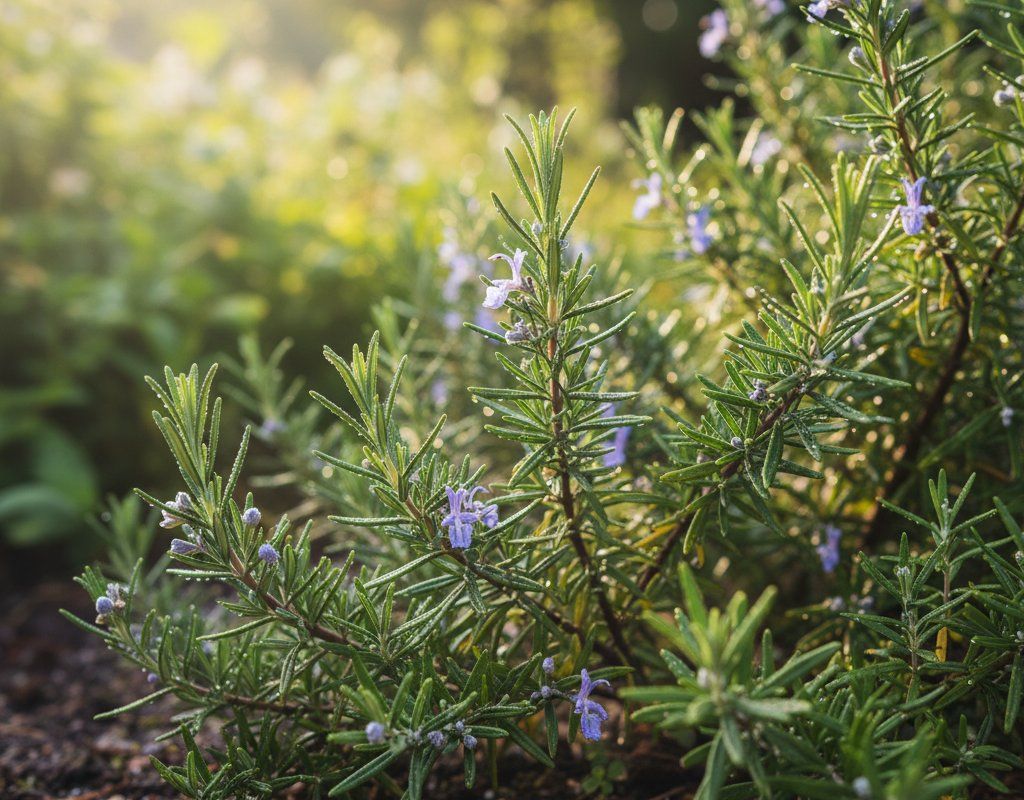
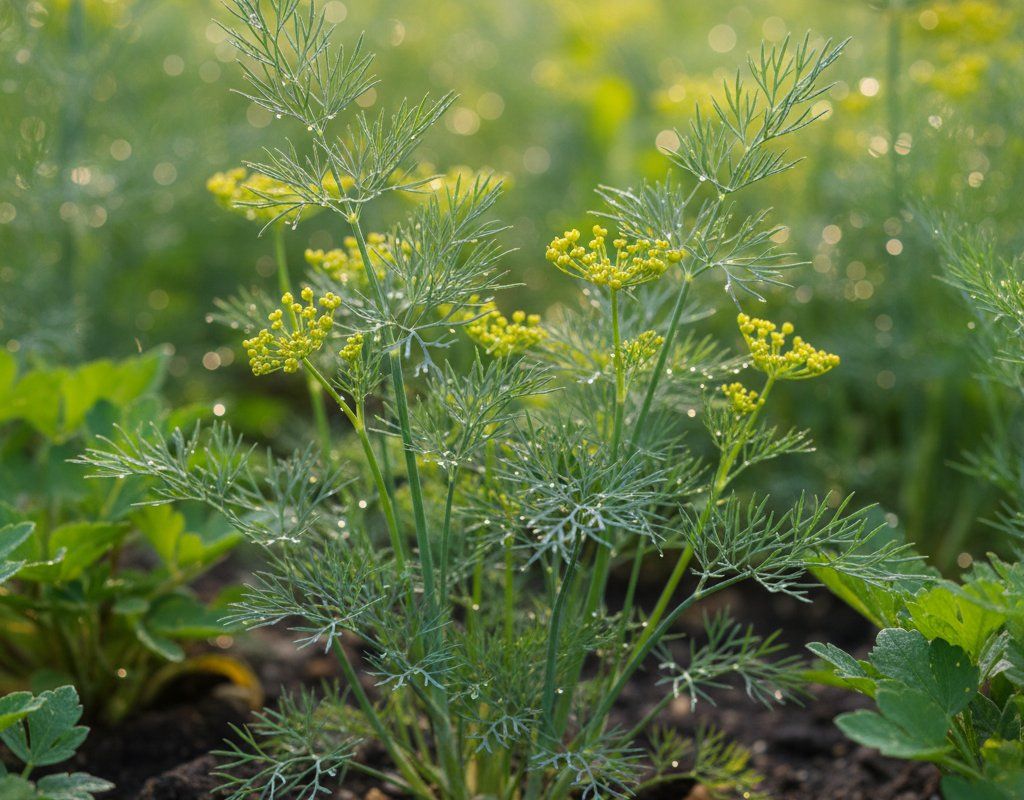
Keep Away From
Companion Planting Details
Lettuce makes an excellent companion for carrots in Desert Southwest gardens since the shallow-rooted greens don't compete with carrot taproots, and lettuce provides living mulch that helps conserve soil moisture in our arid climate. Onions planted nearby confuse carrot rust flies with their strong scent while taking up minimal space, and their upright growth doesn't shade developing carrot tops. Tomatoes work well as companions since they have different root zones and watering needs that complement carrots during our spring growing season.
Avoid planting carrots near dill, which can cross-pollinate and create bitter flavors, or parsnips, which attract the same pests and compete for the same deep soil nutrients. In our Desert Southwest conditions where space and water are precious, focus on companions that either help conserve moisture or provide pest protection rather than just filling space.
🌸Best Flowers to Plant with Carrot
These flowers protect your Carrot from pests and attract pollinators for better harvests.


Get a Reminder When It's Time to Plant
We'll email you when key planting windows open for your zone.