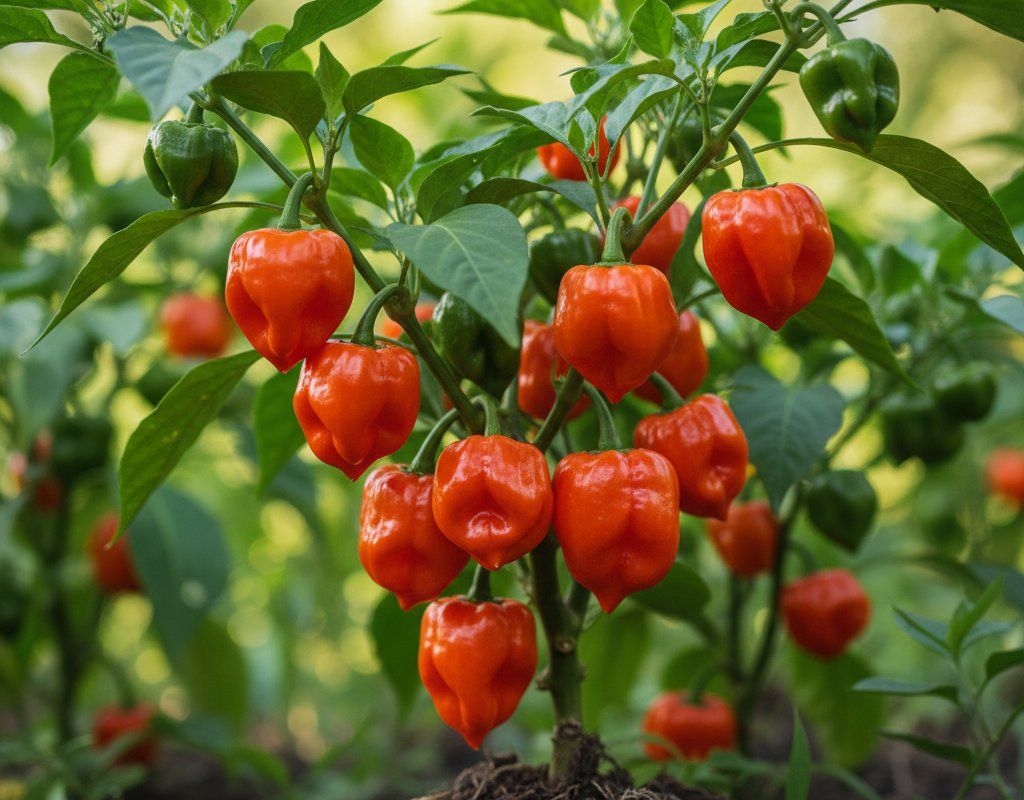
Habanero Peppers in Zone 6A — Mountain West
Capsicum chinense · Your Complete 2026 Planting Guide
Planning Ahead — Great!
You’re ahead of the season. Here’s when to start.
Mark Your Calendar
How to Plant Habanero Peppers in Zone 6A — Mountain West
Here are all your options for getting habanero peppers in the ground, from the easiest method to more advanced approaches.
Start Seeds Indoors
RecommendedEarly to late March
around March 13
Then transplant: Late May through mid June
Start seeds 10-12 weeks before transplanting outdoors.
Super-hot peppers are extra slow. Start 10-12 weeks early.
Buy Starts
Works WellLate May through mid June
around May 22
Plant purchased starts after last frost (May 1).
Direct Sow Seeds
ChallengingDirect sowing is not typical for Habanero Peppers.
Transplant Outdoors
Timing InfoLate May through mid June
around May 22
Wait until nighttime temperatures stay above 50°F.
Plan to transplant within a few weeks of your target date.
Overview
Habanero peppers pack a flavorful punch that's well worth the effort in our Mountain West gardens. Their fruity heat adds zest to salsas, sauces, and even grilled dishes, and there's nothing quite like the satisfaction of harvesting your own fiery peppers after a season of high-altitude gardening. Plus, our cool nights actually enhance the flavor development.
Growing habaneros in our short season (around 153 days) presents some unique challenges, including intense UV and alkaline soil. But with careful timing and a few regional-specific tricks, you can absolutely enjoy a bountiful harvest before the first frost hits.
Starting Seeds Indoors
Starting habanero peppers indoors is essential in our region due to the short growing season. Begin in early to late March, giving your plants about 10 weeks to get a head start. Use seed trays with a good seed-starting mix and provide consistent warmth (around 80-85°F) using a heat mat.
Consistent moisture is key for germination, but avoid overwatering. Bottom watering works great – set the tray in a shallow pan of water and let the soil absorb it. Once seedlings emerge, provide intense light with grow lights, especially given our late spring starts.
Remember, super-hot peppers like habaneros can be slow to germinate and get going. Be patient and consider starting them even 10-12 weeks before your last expected frost.
Transplanting Outdoors
Transplant your habanero seedlings outdoors from late May through mid June, once the danger of frost has passed. Before transplanting, harden off your seedlings by gradually exposing them to outdoor conditions for about a week. This helps them adjust to the intense sun and cooler nights.
Choose a sunny spot with well-drained soil, spacing plants 18-24 inches apart. Be mindful of late-season frosts. Even in late May, it's wise to keep row covers handy to protect your young plants if unexpected cold snaps occur.
Watering Habanero Peppers in Zone 6A (Mountain West)
Habanero peppers need consistent moisture to thrive, but they don't like soggy soil. In our dry Mountain climate, aim for about 1-2 inches of water per week, depending on rainfall. Use the "finger test" – if the top 2 inches of soil feel dry, it's time to water.
Water deeply at the base of the plant to encourage strong root growth and avoid wetting the foliage, which can lead to problems in more humid climates (but is less of a concern for us). Because our water is often very cold, use room-temperature water to prevent shocking the roots, especially in early summer.
Watch for signs of underwatering (wilting leaves) or overwatering (yellowing leaves). A layer of mulch around the base of the plants helps retain moisture and regulate soil temperature – consider using straw or wood chips.
Supporting Your Habanero Peppers
While not always necessary, supporting habanero pepper plants can be beneficial, especially as they become laden with fruit. The bush-like growth habit combined with a heavy fruit load can make the plants susceptible to toppling, particularly in windy conditions.
A simple tomato cage or individual stakes work well. Install the support at planting time to avoid disturbing the roots later. As the plant grows, gently guide the stems to grow within or around the support structure.
Pruning & Maintaining Habanero Peppers
Pruning habanero peppers is relatively simple. Pinching off the early blooms can encourage the plant to focus on vegetative growth, resulting in a stronger, more productive plant later in the season.
Once the plant is established and producing, you can remove any suckers (small shoots that grow between the main stem and branches) to improve airflow. As the end of the season approaches (around early October), consider topping the plants to encourage ripening of existing fruit rather than new growth.
🧪Fertilizing Habanero Peppers
Feeding Schedule
Organic Fertilizer Options
Harvest Time
You can typically expect your first habanero harvest from mid August through early October in our region. Ripe habaneros will be brightly colored (orange, red, or chocolate depending on the variety), firm to the touch, and have a waxy sheen.
Use pruning shears or scissors to cut the peppers from the plant, leaving a small piece of stem attached. Regular harvesting encourages continued production. As the first frost approaches, harvest all remaining peppers, even if they're not fully ripe.
Green or partially ripe habaneros will continue to ripen indoors if stored in a warm, dry place.
Common Problems in Zone 6A (Mountain West)
Here are some common problems you might encounter growing habanero peppers in the Mountain West:
Slow Germination
- What it looks like: Seeds take longer than expected to sprout, or don't sprout at all.
- What causes it: Cool soil temperatures or inconsistent moisture.
- How to fix/prevent it: Use a heat mat to maintain soil temperatures around 80-85°F. Ensure consistent moisture, but avoid overwatering.
Blossom Drop
- What it looks like: Flowers fall off the plant without setting fruit. Small fruits yellow and drop.
- What causes it: Temperature stress, especially cool nights or large temperature swings. Low humidity can also contribute.
- How to fix/prevent it: Be patient – fruit set often resumes when temperatures moderate. Keep plants well-watered.
Aphids
- What it looks like: Clusters of tiny green, black, or white insects on stems and leaf undersides. Sticky honeydew residue.
- What causes it: Rapid reproduction in warm weather.
- How to fix/prevent it: Strong water spray to knock them off. Encourage beneficial insects like ladybugs. Use insecticidal soap for heavy infestations.
Sunscald
- What it looks like: White, papery patches on fruit exposed to direct sun.
- What causes it: Intense, direct sunlight on fruit, often after leaf loss. The intense UV light at high altitude exacerbates this.
- How to fix/prevent it: Don't over-prune foliage. Use shade cloth during the hottest part of the day.
Mountain West Specific Challenges: Our combination of intense sun, low humidity, and cool nights can be tough on habaneros. Pay close attention to watering, provide shade during the hottest part of the day, and be prepared to protect plants from unexpected temperature swings.
Best Companions for Habanero Peppers
Plant these nearby for healthier Habanero Peppers and better harvests.

Keep Away From

Companion Planting Details
Companion planting can help your habanero peppers thrive. Tomatoes make good companions because they share similar growing requirements. Basil repels pests and improves flavor. Carrots loosen the soil, while onions deter certain insects.
Avoid planting fennel or kohlrabi near your habaneros. Fennel inhibits the growth of many plants, and kohlrabi can attract pests that also affect peppers.
🌸Best Flowers to Plant with Habanero Peppers
These flowers protect your Habanero Peppers from pests and attract pollinators for better harvests.
For Pest Control

Get a Reminder When It's Time to Plant
We'll email you when key planting windows open for your zone.