Habanero Peppers in Zone 7A — Mountain West
Capsicum chinense · Your Complete 2026 Planting Guide
Last Call for Seed Starting!
Indoor seed starting window closes in 12 days.
Start Seeds This Week
Start seeds now for transplanting later.
Or Wait for Starts
If you don’t want to start seeds, starts will be available around May 11.
How to Plant Habanero Peppers in Zone 7A — Mountain West
Here are all your options for getting habanero peppers in the ground, from the easiest method to more advanced approaches.
Start Seeds Indoors
RecommendedLate February through mid March
around March 2
Then transplant: Mid May through early June
Start seeds 10-12 weeks before transplanting outdoors.
Super-hot peppers are extra slow. Start 10-12 weeks early.
Buy Starts
Works WellMid May through early June
around May 11
Plant purchased starts after last frost (April 20).
Direct Sow Seeds
ChallengingDirect sowing is not typical for Habanero Peppers.
Transplant Outdoors
Timing InfoMid May through early June
around May 11
Wait until nighttime temperatures stay above 50°F.
Plan to transplant within a few weeks of your target date.
Overview
Habanero peppers bring a serious kick to your cooking, and growing them yourself in our Mountain climate is incredibly rewarding. The intense sun concentrates their flavor, and those cool nights even in summer allow them to develop a complex heat that store-bought peppers just can't match. Plus, there's nothing quite like the satisfaction of harvesting your own fiery peppers after nurturing them through our unique conditions.
Yes, high altitude gardening presents some challenges, like our short season and intense UV. But with careful timing and a few tricks, you can absolutely grow amazing habaneros. Our 173-day growing season is enough time when you get a head start indoors.
Starting Seeds Indoors
Starting habanero peppers indoors is essential for us Mountain gardeners. Aim to sow your seeds late February through mid March, roughly 10 weeks before you plan to transplant them outside. This gives these slow-growing peppers a much-needed head start.
Use seed trays or small pots filled with a good seed-starting mix. Keep the soil consistently moist (bottom watering is your friend here!) and provide plenty of warmth – a heat mat can be a lifesaver. Once seedlings emerge, they'll need strong light. A grow light is ideal because our late spring weather can be unpredictable and often cloudy. Remember, our spring is late to arrive, so don't rush things!
Transplanting Outdoors
Transplant your habanero seedlings outdoors mid May through early June, once the danger of frost has passed. Before planting, harden them off by gradually exposing them to outdoor conditions for about a week. This helps them adjust to the intense sun and cooler temperatures of our Mountain climate.
Choose a sunny spot with well-draining soil, and space your plants 18-24 inches apart. Be mindful that we often get late-season temperature swings. Keep an eye on the forecast and be ready to cover your plants if a cold snap threatens.
Watering Habanero Peppers in Zone 7A (Mountain West)
Habanero peppers need consistent moisture to produce well, but they don't like to be waterlogged. In our dry Mountain climate, aim for a deep watering about once a week, or more often during extended hot spells. Feel the soil about two inches deep – if it's dry, it's time to water.
Give them about an inch of water each time. It's best to water at the base of the plant to avoid getting the leaves wet, as this can encourage fungal diseases. Although our humidity is low, it's still good practice. Also, habaneros are sensitive to cold water, so use water that's been sitting out and is closer to room temperature.
Signs of underwatering include wilting leaves and stunted growth. Overwatering, on the other hand, can lead to yellowing leaves and root rot. A layer of mulch around the base of the plants helps retain moisture and regulate soil temperature, which is especially helpful with our intense sun.
Supporting Your Habanero Peppers
While habanero plants are relatively compact, they can become laden with fruit, making them prone to toppling over, especially with our afternoon winds. Providing support is optional, but highly recommended.
Staking is the easiest and most effective method. Insert a sturdy stake near the plant at planting time, being careful not to damage the roots. As the plant grows, gently tie the main stem to the stake with soft twine or plant ties. This will help keep your peppers upright and prevent them from breaking under the weight of the fruit.
Pruning & Maintaining Habanero Peppers
Pruning habaneros is a simple way to encourage earlier and more abundant fruit production. The key is to pinch off the early flowers that appear. This might seem counterintuitive, but it directs the plant's energy into developing a strong root system and foliage first.
Once the plant is well-established, it will start producing flowers again, and this time, it will be ready to support a heavy fruit set. As the season winds down and the first frost approaches in early October, you can remove any new flowers to encourage the remaining peppers to ripen.
🧪Fertilizing Habanero Peppers
Feeding Schedule
Organic Fertilizer Options
Harvest Time
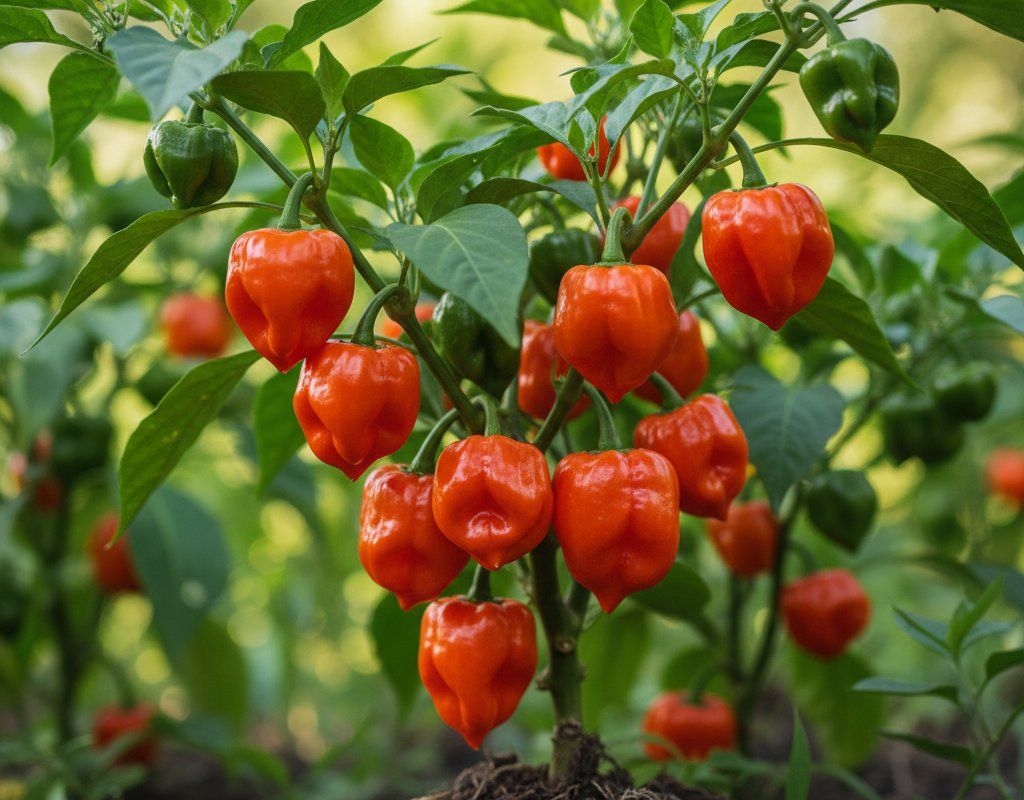
You can expect your first habanero harvest early August through mid September. The peppers are ready to pick when they turn a bright orange (or red or chocolate, depending on the variety) and have a firm, waxy sheen. They should easily detach from the plant with a gentle tug.
Harvest regularly to encourage continuous production. If a frost is looming, harvest all remaining peppers, even if they're still green. They will ripen indoors if you place them in a paper bag with a ripe banana or apple.
Common Problems in Zone 7A (Mountain West)
Here are some common issues you might encounter growing habaneros in the Mountain West:
Slow Germination
- What it looks like: Seeds take longer than expected to sprout, or don't sprout at all.
- What causes it: Cool soil temperatures are often the culprit. Habaneros need warmth to germinate, and our spring weather can be unpredictable.
- How to fix/prevent it: Use a heat mat under your seed trays to maintain a soil temperature of 80-85°F. Be patient and don't give up too soon.
Blossom Drop
- What it looks like: Flowers fall off the plant without setting fruit. Small fruit turns yellow and drops.
- What causes it: Temperature stress is the main cause. Our daytime temperatures at altitude can fluctuate greatly, and our cool nights can stress the plant. Also, low humidity and poor pollination can contribute.
- How to fix/prevent it: Ensure consistent soil moisture. Provide afternoon shade during extreme heat. Gently shake the plant to encourage pollination, or hand-pollinate with a small brush.
Aphids
- What it looks like: Clusters of tiny insects (green, black, or white) on stems and leaf undersides. Sticky honeydew residue.
- What causes it: Rapid-reproducing sap-sucking insects thrive in warm weather. Ants may farm them for honeydew.
- How to fix/prevent it: Knock them off with a strong spray of water. Encourage beneficial insects like ladybugs. Use insecticidal soap or neem oil for heavy infestations.
Sunscald
- What it looks like: White, papery patches on fruit exposed to direct sun.
- What causes it: Intense, direct sunlight on fruit, often after leaves are lost. Our high altitude and intense UV radiation make this a risk.
- How to fix/prevent it: Don't over-prune. Use shade cloth during the hottest part of the day. Maintain healthy foliage.
Mountain West Specific Challenges: Our moderate-at-altitude heat, low humidity, and dry rainfall mean that consistent watering and protection from intense sun are key. Monitor your plants closely and adjust your care as needed.
Best Companions for Habanero Peppers
Plant these nearby for healthier Habanero Peppers and better harvests.

Keep Away From

Companion Planting Details
Companion planting can help your habaneros thrive. Tomatoes are great companions because they enjoy similar growing conditions and can provide some shade. Basil repels pests and improves the flavor of the peppers. Carrots loosen the soil and attract beneficial insects. Onions deter pests like aphids.
Avoid planting fennel or kohlrabi near your habaneros. Fennel inhibits the growth of many plants, and kohlrabi competes for nutrients. By choosing the right companions, you can create a thriving ecosystem in your garden.
🌸Best Flowers to Plant with Habanero Peppers
These flowers protect your Habanero Peppers from pests and attract pollinators for better harvests.
For Pest Control

Get a Reminder When It's Time to Plant
We'll email you when key planting windows open for your zone.