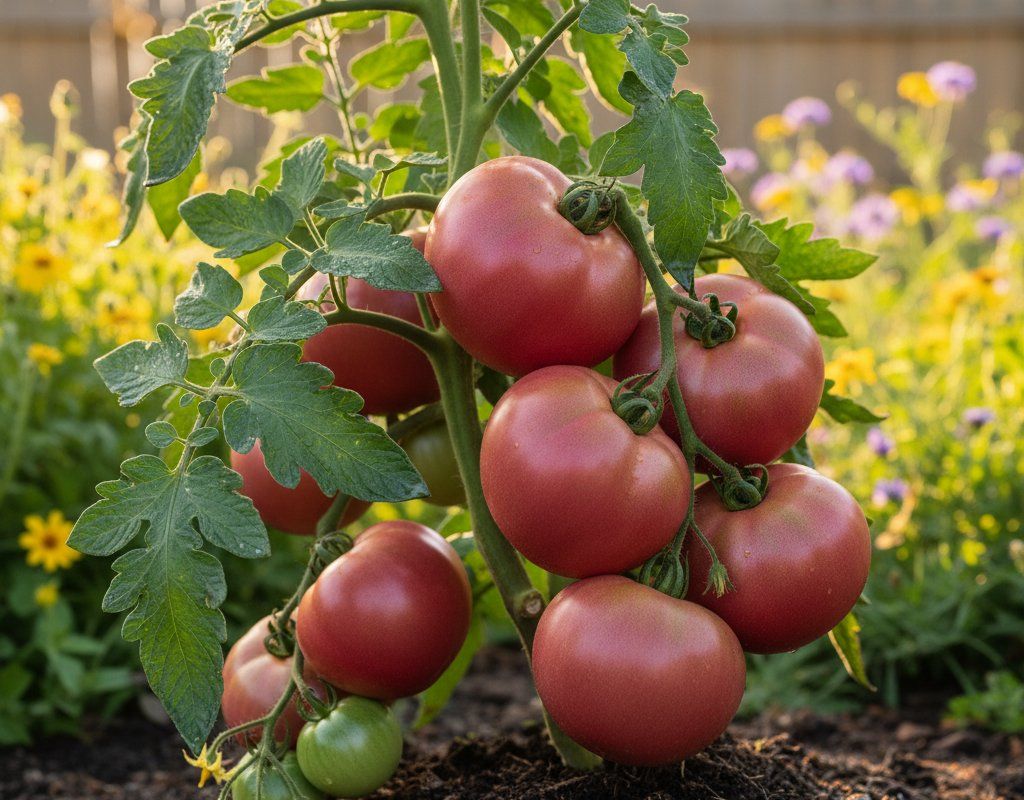
Brandywine Tomatoes in Zone 7A — Mountain West
Solanum lycopersicum · Your Complete 2026 Planting Guide
Planning Ahead — Great!
You’re ahead of the season. Here’s when to start.
Mark Your Calendar
How to Plant Brandywine Tomatoes in Zone 7A — Mountain West
Here are all your options for getting brandywine tomatoes in the ground, from the easiest method to more advanced approaches.
Start Seeds Indoors
RecommendedMid March through early April
around March 23
Then transplant: Early to late May
Start seeds 6-8 weeks before transplanting outdoors.
Buy Starts
Works WellEarly to late May
around May 4
Plant purchased starts after last frost (April 20).
Direct Sow Seeds
ChallengingDirect sowing is not typical for Brandywine Tomatoes.
Transplant Outdoors
Timing InfoEarly to late May
around May 4
Wait until nighttime temperatures stay above 50°F.
Plan to transplant within a few weeks of your target date.
Overview
Brandywine tomatoes represent the pinnacle of heirloom flavor — their rich, complex taste and meaty texture make store-bought varieties seem like pale imitations. In our Mountain West climate, these large pink beauties thrive in the intense sun and benefit from cool nights that concentrate their sugars, creating tomatoes with exceptional depth of flavor that's hard to achieve at lower elevations.
While Brandywine's 90-day maturity might seem challenging for our short season, our 173-day growing window provides plenty of time when you start seeds indoors. Yes, these heirlooms require more attention than hybrid varieties, but the payoff in taste and satisfaction makes every effort worthwhile for Mountain gardeners willing to work with the season.
Starting Seeds Indoors
Start your Brandywine seeds indoors from mid-March through early April, about 6 weeks before your planned transplant date. In our Mountain region where spring arrives late and temperature swings are common, indoor starting isn't just recommended — it's essential for getting these heat-loving plants established before our short season begins in earnest.
Set up seed trays with good quality potting mix and place them in a warm location around 70-75°F for optimal germination. A heat mat helps maintain consistent soil temperature, especially important during our cool Mountain nights. Once seedlings emerge, provide bright light from a grow light or south-facing window, keeping them 2-3 inches from the light source.
Water from the bottom by placing trays in shallow pans of water, allowing the soil to absorb moisture upward. This prevents damping-off disease and encourages strong root development. Your seedlings will be ready to transplant when nighttime temperatures consistently stay above 50°F and they have their first true leaves.
Transplanting Outdoors
Transplant your Brandywine seedlings outdoors from early to late May, once soil temperatures reach 60°F and nighttime lows consistently stay above 50°F. In the Mountain West, this timing protects your plants from our unpredictable spring weather while giving them maximum time to mature before fall frost.
Harden off seedlings gradually over 7-10 days by placing them outside for increasing periods, starting with 2-3 hours in filtered sun. Our intense UV and dry air can shock tender plants, so this gradual introduction is crucial for Mountain success.
Space plants 36-48 inches apart to ensure good air circulation — this wider spacing is especially important at altitude where our low humidity can stress plants. Plant deep, burying 2/3 of the stem to encourage strong root development. The buried stem will develop additional roots, creating a more robust foundation for these large, heavy-fruited plants.
Watering Brandywine Tomatoes in Zone 7A (Mountain West)
Consistent moisture is absolutely critical for Brandywine tomatoes, and in our dry Mountain climate with only 10-20 inches of annual rainfall, you'll need to water regularly throughout the growing season. These large-fruited heirlooms are particularly prone to cracking when moisture levels fluctuate, so maintaining even soil moisture is your top priority.
Water deeply 2-3 times per week rather than daily light watering, providing about 1-2 inches per week total. Check soil moisture by inserting your finger 2 inches deep — if it's dry at that depth, it's time to water. Our low humidity and intense sun mean soil dries faster than in other regions, so monitor closely during peak summer.
Always water at the base of plants rather than overhead to prevent disease issues and reduce water loss to evaporation. Our dry air means overhead watering wastes precious water and can stress leaves during peak sun hours. Mulch around plants with 2-3 inches of straw or shredded leaves to retain moisture and regulate soil temperature.
Watch for signs of stress: wilting during hot afternoons (even with adequate moisture) is normal, but wilting in morning or evening indicates underwatering. Yellowing lower leaves often signal inconsistent watering, while cracked fruit means you've let the soil get too dry between waterings.
Supporting Your Brandywine Tomatoes
Install strong support systems at planting time — Brandywine's indeterminate growth habit produces vigorous vines that can reach 6-8 feet tall with heavy, pound-plus fruits that will snap unsupported branches. Heavy-duty tomato cages (at least 5 feet tall) or sturdy stakes with multiple tie points work best for these substantial plants.
Use 6-foot stakes driven 18 inches into the ground, or choose cages made from concrete reinforcing wire rather than flimsy store-bought versions. As plants grow, tie branches loosely with soft materials like cloth strips or tomato ties, checking weekly during peak growing season.
The potato-leaf foliage of Brandywine provides less natural shade than regular tomato varieties, which actually works to your advantage in our intense Mountain sun — the fruits get excellent light exposure for ripening while the sturdy support system carries the weight of those magnificent large tomatoes.
Pruning & Maintaining Brandywine Tomatoes
Prune Brandywine moderately by removing suckers (shoots growing between main stem and branches) when they're small and easily pinched off. Focus your pruning efforts on the lower third of the plant, removing any branches touching the ground and creating good air circulation at the base.
Remove yellowing or diseased lower leaves throughout the season, but don't over-prune these slower-growing heirlooms like you might hybrid varieties. Brandywine needs its foliage to photosynthesize and fuel fruit development, especially important in our shorter growing season.
As first frost approaches in early October, you can top plants by removing growing tips to redirect energy into ripening existing fruit. About 4-6 weeks before expected frost, remove any new flower clusters that won't have time to develop mature fruit, focusing the plant's energy on finishing what's already set.
🧪Fertilizing Brandywine Tomatoes
Feeding Schedule
Organic Fertilizer Options
Harvest Time
Expect your first ripe Brandywine tomatoes from early August through mid-September, about 90 days from transplant. These beauties ripen to a pink-red color with slight softness when gently squeezed, though the shoulders may remain slightly green — this is normal for Brandywine and doesn't indicate underripeness.
Harvest by gently twisting and lifting the fruit, or use clean pruning shears to cut the stem. The best eating quality comes from vine-ripened fruit, but Brandywine can ripen successfully indoors if picked when showing first color — essential knowledge for Mountain gardeners as first frost approaches.
Check plants daily once harvest begins, as ripe fruit left on the vine too long will crack or attract pests. Store ripe tomatoes at room temperature rather than refrigerating, which destroys their complex flavor compounds that make Brandywine so special.
As early October frost threatens, harvest all fruits showing color and bring them indoors to ripen on windowsills or in paper bags with a ripe apple to speed the process. Green fruits can also be used for fried green tomatoes or relish, ensuring nothing goes to waste despite our short season.
Common Problems in Zone 7A (Mountain West)
Cracking shows up as deep splits in the skin, either in circles around the stem (concentric cracking) or radiating lines from the stem end. You'll often see this after heavy watering or our occasional summer thunderstorms following dry spells. The rapid water uptake causes fruit to expand faster than the skin can stretch, with Brandywine being more susceptible than hybrid varieties. Prevent cracking by maintaining consistent soil moisture through regular watering and mulching, and harvest promptly when fruits first show color.
Low yields manifest as healthy-looking plants producing far fewer fruits than expected, sometimes only 3-4 large tomatoes per plant compared to the 8-12 you might expect. This often results from our cool Mountain nights during early flowering, insufficient pollination, or too much nitrogen creating leafy growth at fruit expense. Combat low yields by ensuring adequate phosphorus in soil, providing consistent moisture during flowering, and gently shaking flower clusters during bloom to aid pollination when beneficial insects are scarce at altitude.
Disease susceptibility appears as various leaf spots, wilting, or fruit rot issues that seem to plague your Brandywine more than other tomato varieties. Heirloom varieties like Brandywine lack the disease resistance bred into modern hybrids, making them more vulnerable to fungal and bacterial problems. Our dry Mountain air actually helps reduce disease pressure compared to humid regions, but wide spacing (48 inches), good air circulation, and removing lower foliage that touches soil remain important preventive measures.
Catfacing creates deeply ridged, scarred, and misshapen fruits with cavities and crevices, particularly around the blossom end. This deformity occurs when flowers experience temperatures below 55°F during pollination — common during our cool Mountain nights in late spring and early summer. While the fruits look ugly, they're perfectly edible. Prevent catfacing by waiting until soil and air temperatures are consistently warm before transplanting, and consider row covers for early-season protection from temperature swings.
Mountain West gardeners face unique challenges with Brandywine tomatoes due to our intense UV, low humidity, and temperature extremes. The good news is our dry air reduces disease pressure significantly, while cool nights actually improve fruit flavor by concentrating sugars.
Best Companions for Brandywine Tomatoes
Plant these nearby for healthier Brandywine Tomatoes and better harvests.
View Full Companion Planting Chart →



Companion Planting Details
Plant basil near your Brandywine tomatoes — it reportedly improves flavor while its strong scent helps deter aphids and hornworms, common pests in our Mountain gardens. Carrots make excellent companions as their deep taproots don't compete with tomato roots, and marigolds provide natural pest deterrence while adding color to your garden beds.
Avoid planting brassicas (cabbage, broccoli, kale) near Brandywines as they can stunt tomato growth and compete for similar nutrients. Keep fennel and corn away from your tomato area — fennel can inhibit tomato growth through chemical compounds, while corn attracts hornworms that will quickly discover your prized Brandywine plants nearby.
🌸Best Flowers to Plant with Brandywine Tomatoes
These flowers protect your Brandywine Tomatoes from pests and attract pollinators for better harvests.
For Pest Control

Get a Reminder When It's Time to Plant
We'll email you when key planting windows open for your zone.