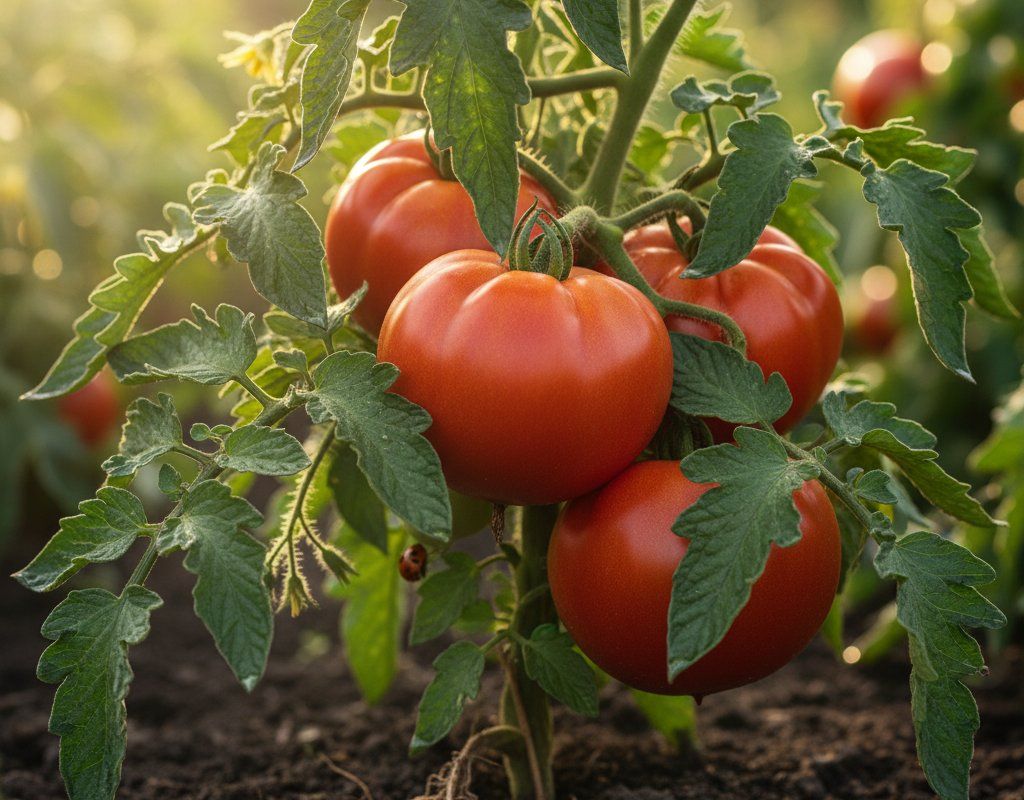
Beefsteak Tomatoes in Zone 7A — Mountain West
Solanum lycopersicum · Your Complete 2026 Planting Guide
Planning Ahead — Great!
You’re ahead of the season. Here’s when to start.
Mark Your Calendar
How to Plant Beefsteak Tomatoes in Zone 7A — Mountain West
Here are all your options for getting beefsteak tomatoes in the ground, from the easiest method to more advanced approaches.
Start Seeds Indoors
RecommendedMid March through early April
around March 23
Then transplant: Early May through early June
Start seeds 6-8 weeks before transplanting outdoors.
Buy Starts
Works WellEarly May through early June
around May 4
Plant purchased starts after last frost (April 20).
Direct Sow Seeds
ChallengingDirect sowing is not typical for Beefsteak Tomatoes.
Transplant Outdoors
Timing InfoEarly May through early June
around May 4
Wait until nighttime temperatures stay above 50°F.
You have a nice window — no need to rush.
Overview
Beefsteak tomatoes are the holy grail for Mountain West gardeners who want massive, meaty slicers perfect for summer sandwiches and fresh salsas. These giants can reach over a pound each, delivering that perfect balance of sweet and acidic flavor that our intense high-altitude sun and cool nights naturally enhance. While they take patience to grow in our short season, the satisfaction of harvesting a single tomato that feeds the whole family makes every effort worthwhile.
Our Zone 7A mountain climate presents some challenges for these heat-loving giants - particularly our late spring start and early fall finish that gives us about 173 growing days to work with. The key is understanding that beefsteaks need every bit of our growing season, which means starting seeds indoors while snow might still be on the ground and protecting plants from our unpredictable weather swings.
Starting Seeds Indoors
Start your beefsteak tomato seeds indoors from mid-March through early April, about 6 weeks before you plan to transplant outdoors. This timing accounts for our notoriously late spring and gives plants the head start they need to mature before our first frost in early October. Use seed starting trays filled with quality potting mix, and keep them consistently warm (70-75°F) for the best germination.
Set up grow lights or place trays in your brightest south-facing window, though supplemental lighting works better in our intense but variable spring conditions. Water from the bottom by placing trays in shallow pans of water - this prevents damping off and encourages strong root development. Your seedlings will be ready for larger pots once they develop their first true leaves.
Since our mountain springs can be unpredictable with late cold snaps, having plants started indoors gives you control over their early growth. You can always delay transplanting if weather doesn't cooperate, but you can't speed up seed germination once you're behind schedule.
Transplanting Outdoors
Plan to transplant your beefsteak seedlings outdoors from early May through early June, after all danger of frost has passed and nighttime temperatures consistently stay above 50°F. In our mountain climate, this timing can vary significantly year to year, so watch the weather patterns rather than sticking rigidly to calendar dates. Start hardening off plants a full week before transplanting by gradually exposing them to outdoor conditions.
Space plants 36-48 inches apart - these indeterminate giants need room to spread and good air circulation in our low-humidity environment. The wide spacing also makes it easier to water deeply at the base of each plant, which is crucial for preventing the watering stress that leads to cracking and blossom end rot.
Choose a sunny, sheltered location protected from our sudden afternoon thunderstorms and potential hail. Plant on a calm, overcast day if possible, as our intense UV can shock newly transplanted seedlings. Water thoroughly after planting and consider using temporary shade cloth for the first few days while plants establish.
Watering Beefsteak Tomatoes in Zone 7A (Mountain West)
Beefsteak tomatoes are water hungry, and in our dry mountain climate with only 10-20 inches of annual rainfall, you'll be their primary water source throughout the growing season. These large-fruited varieties need consistent, deep watering to prevent the stress that causes cracking and misshapen fruit. Plan on providing about 1-2 inches of water per week, adjusting based on our typically moderate summer temperatures and low humidity.
Water deeply at soil level rather than overhead - our low humidity means foliar diseases aren't usually a problem, but ground-level watering is more efficient and reduces water loss to evaporation. Use the finger test by checking soil moisture 2 inches down; it should be consistently moist but not waterlogged. During our peak summer heat in July and August, you may need to water every other day.
Watch for signs of water stress: leaves wilting in afternoon heat (even with adequate soil moisture), fruit cracking, or hard, leathery spots developing on the bottom of fruit (blossom end rot). Inconsistent watering is the number one cause of problems with beefsteaks in our climate. A 2-3 inch layer of organic mulch helps maintain even soil moisture and reduces watering frequency.
Our intense sun and low humidity mean water evaporates quickly from both soil and plant surfaces. Consider drip irrigation or soaker hoses for the most efficient water delivery, especially during our drier periods. Early morning watering allows plants to take up moisture before the day's heat while giving any wet foliage time to dry.
Supporting Your Beefsteak Tomatoes
Install sturdy support systems at planting time, as beefsteak tomatoes are indeterminate vines that will grow 6+ feet tall and produce heavy fruit that can snap branches without proper support. Use extra-heavy tomato cages (at least 6 feet tall) or thick wooden stakes with strong soft ties. Standard lightweight cages will collapse under the weight of mature plants loaded with pound-plus tomatoes.
For staking, use 2x2 inch wooden posts or metal T-posts driven at least 18 inches deep, then tie the main stem loosely every 12-18 inches as it grows. Use soft materials like cloth strips or velcro ties that won't cut into stems as they thicken. Many mountain gardeners prefer the sturdy cage approach since our afternoon thunderstorms can be intense.
Train plants by gently weaving main stems through cage openings or tying to stakes as they grow. Support heavy fruit clusters individually with slings made from old pantyhose or cloth strips if branches start bending. The combination of our intense sun promoting fast growth and potential summer storms makes solid support absolutely essential for beefsteak varieties.
Pruning & Maintaining Beefsteak Tomatoes
Remove suckers (shoots growing between the main stem and branches) regularly throughout the growing season to focus the plant's energy on fewer but larger fruits. For beefsteaks, you want quality over quantity, so prune more aggressively than you would with smaller fruited varieties. Pinch suckers when they're small and soft, ideally in the morning when plants are fully hydrated.
Strip off lower leaves that touch the ground or show signs of yellowing as the season progresses. This improves air circulation and reduces the chance of soil-borne diseases splashing onto foliage. In our low-humidity environment, you can be fairly aggressive with pruning without worrying about sun scald that's common in more humid climates.
As early October approaches and first frost threatens, stop all pruning and focus on ripening existing fruit. About 4-6 weeks before expected frost, pinch off flower clusters and tiny fruits that won't have time to mature. This redirects the plant's remaining energy into sizing up fruits that have a chance of ripening before the season ends.
🧪Fertilizing Beefsteak Tomatoes
Feeding Schedule
Organic Fertilizer Options
Harvest Time
Your first beefsteak tomatoes should be ready for harvest from late July through mid-September, about 85 days from transplant date. Look for fruits that have developed full color and give slightly when cupped gently in your hand - they should feel heavy and have a slight softness at the blossom end. The stem should release easily with a gentle twist and pull.
Harvest regularly to encourage continued production, checking plants every 2-3 days during peak season. Cut or twist fruits from the vine carefully to avoid damaging branches that are supporting other developing tomatoes. If a fruit starts to crack, harvest immediately even if slightly underripe - it will continue ripening off the vine and cracking only gets worse.
As nights start cooling in late August and early September, begin harvesting fruits that show the first blush of color change. These will ripen perfectly indoors and avoid potential damage from cool nights that can cause catfacing or slow ripening. Keep ripening fruits at room temperature out of direct sunlight.
When frost threatens in early October, harvest all remaining fruits regardless of ripeness. Green beefsteaks will ripen slowly indoors over several weeks if stored in a cool, dark place. Wrap individual fruits in newspaper or place in paper bags with a ripe apple to speed the process. Even fully green fruits can eventually ripen and provide fresh tomatoes well into November.
Common Problems in Zone 7A (Mountain West)
Cracking What it looks like: Deep splits in the tomato skin, either in concentric circles around the stem or radiating lines from stem to blossom end. Cracks expose the flesh and can lead to rot, making fruits unusable. What causes it: Heavy watering after dry periods causes fruit to absorb water faster than the skin can stretch. Our mountain climate's cycle of dry spells followed by thunderstorms creates perfect conditions for cracking. How to fix/prevent it: Maintain consistent soil moisture with regular watering and mulching. Harvest fruits promptly when ripe rather than leaving them on the vine. Choose crack-resistant varieties like 'Mountain Pride' or 'Celebrity' for better success.
Catfacing What it looks like: Deep crevices, scars, and deformities on the blossom end making fruits lumpy and misshapen. The tomato looks like it was pinched or scarred during development. What causes it: Cool nighttime temperatures (below 60°F) during flowering disrupt pollination. Our mountain climate's cool nights even in summer make this especially common with large-fruited varieties. How to fix/prevent it: Avoid planting too early when nights are consistently cold. Use row covers or wall-o-water protection for early plantings. The fruit is perfectly edible despite its appearance.
Blossom End Rot What it looks like: Dark, sunken, leathery patches on the bottom of fruits that start small but expand. Affected areas turn black and dry out completely. What causes it: Calcium deficiency triggered by inconsistent watering patterns. Our dry climate makes it easy to let soil dry out between waterings, preventing calcium uptake. How to fix/prevent it: Water consistently and deeply - this is the most effective solution. Apply thick mulch to maintain even soil moisture. Avoid over-fertilizing with nitrogen which can interfere with calcium uptake.
Slow to Ripen What it looks like: Large green fruits that seem stuck in development and won't turn red despite reaching full size. Plants may have abundant foliage but little fruit color change. What causes it: Cool nighttime temperatures, too much nitrogen fertilizer, or insufficient sunlight. Our short growing season and cool mountain nights can slow ripening significantly. How to fix/prevent it: Reduce nitrogen fertilizer mid-season. Ensure plants get full sun by pruning excess foliage. Consider using red plastic mulch to reflect more heat onto plants.
Mountain West Specific Challenges Our moderate summer temperatures and cool nights can slow beefsteak development compared to hotter climates. The intense UV helps with fruit development but can stress plants if they're not adequately watered. Low humidity reduces disease pressure but makes consistent watering even more critical for preventing physiological problems like cracking and blossom end rot.
Best Companions for Beefsteak Tomatoes
Plant these nearby for healthier Beefsteak Tomatoes and better harvests.
View Full Companion Planting Chart →



Companion Planting Details
Plant basil alongside your beefsteak tomatoes - it may help repel aphids and hornworms while thriving in the same warm, sunny conditions. Carrots make excellent companions as their deep roots don't compete with tomato roots, and they help break up our often-compacted mountain soils. Marigolds planted around the bed edges can deter nematodes and add color while tolerating our intense UV and dry conditions.
Avoid planting brassicas like cabbage or broccoli near tomatoes, as they have different water and nutrient needs and can attract pests that may move to your tomatoes. Fennel inhibits tomato growth and should be planted elsewhere in the garden. Corn competes for the same nutrients and can shade tomatoes if planted too closely, which is problematic in our already-short growing season where every bit of sun matters.
🌸Best Flowers to Plant with Beefsteak Tomatoes
These flowers protect your Beefsteak Tomatoes from pests and attract pollinators for better harvests.


Get a Reminder When It's Time to Plant
We'll email you when key planting windows open for your zone.