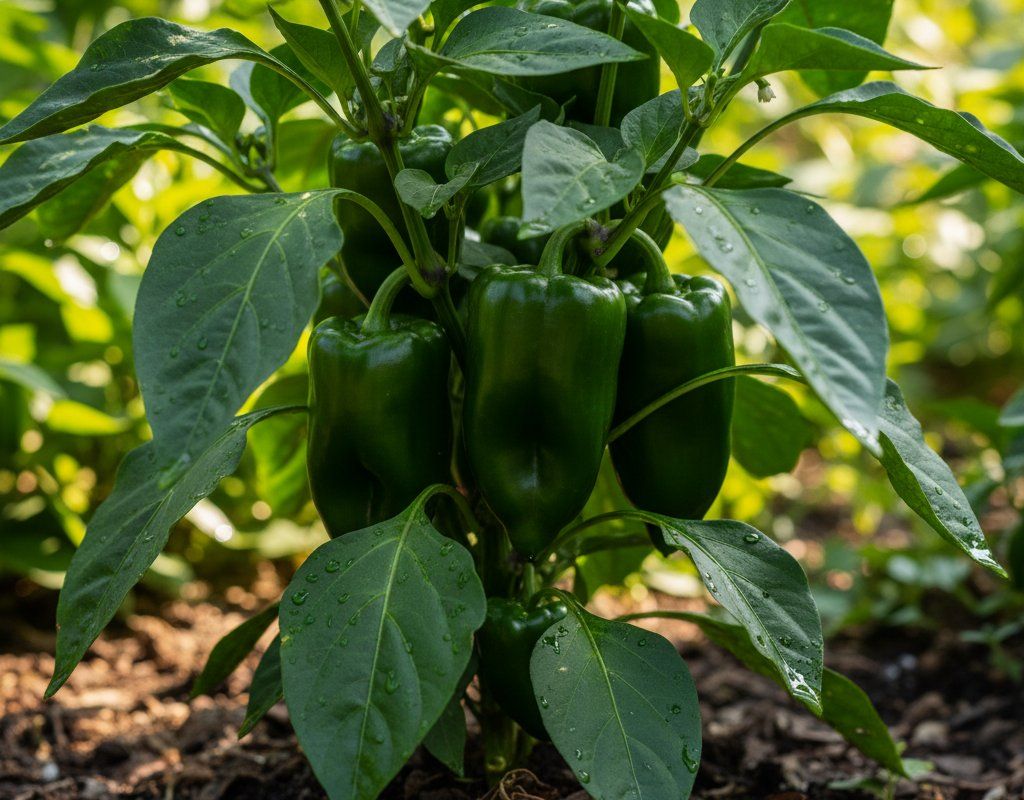
Poblano Peppers in Zone 7B — Northern California
Capsicum annuum · Your Complete 2026 Planting Guide
Missed Seed Starting? No Problem!
Wait for starts to become available.
What to Do
Starts will be available at nurseries in 25 days (around March 29).
How to Plant Poblano Peppers in Zone 7B — Northern California
Here are all your options for getting poblano peppers in the ground, from the easiest method to more advanced approaches.
Start Seeds Indoors
RecommendedLate January through mid February
around February 1
Then transplant: Late March through late April
Start seeds 8-10 weeks before transplanting outdoors.
Buy Starts
Works WellLate March through late April
around March 29
Plant purchased starts after last frost (March 15).
Direct Sow Seeds
ChallengingDirect sowing is not typical for Poblano Peppers.
Transplant Outdoors
Timing InfoLate March through late April
around March 29
Wait until nighttime temperatures stay above 50°F.
You have a nice window — no need to rush.
Overview
Poblano peppers are a fantastic addition to any Northern California garden. Their mild heat and rich flavor make them incredibly versatile in the kitchen, perfect for everything from chiles rellenos to adding a smoky depth to your favorite salsas. Plus, the satisfaction of harvesting your own peppers, especially in our long Mediterranean climate growing season, is hard to beat.
While our dry summers and occasional heat waves can present challenges, the extended growing season in Zone 7B gives you plenty of time to get a successful harvest. Starting early and managing water wisely will ensure your Poblano peppers thrive during our 245-day growing season.
Starting Seeds Indoors
Starting your Poblano pepper seeds indoors is the way to go here in Northern California. You'll want to sow those seeds indoors from late January through mid February, roughly 8 weeks before you plan to transplant them outside. This gives them a head start, taking advantage of our early spring warmth.
Use seed trays or small pots filled with a good seed-starting mix. Keep the soil consistently moist and provide warmth – a heat mat can be very helpful. Once the seedlings emerge, make sure they get plenty of light, either from a sunny window or a grow light. Don't forget to water from the bottom to encourage strong root growth.
Transplanting Outdoors
Transplanting your Poblano pepper seedlings outdoors should happen from late March through late April, once the risk of frost has passed. Before you plant them in the ground, be sure to harden them off. This means gradually exposing them to outdoor conditions for about a week, increasing the time they spend outside each day.
When you're ready to plant, space them about 18-24 inches apart in a sunny spot with well-drained soil. Keep an eye on the weather forecast – a late cold snap can still happen, so be prepared to cover them if necessary.
Watering Poblano Peppers in Zone 7B (Northern California)
Watering is key to growing great Poblano peppers, especially with our dry summers. While they aren't drought-tolerant, consistent moisture is essential for developing those thick-walled fruits we love. The large leaves on Poblano pepper plants can lose water quickly in our moderate-to-hot summer heat, so keeping up with their needs is important.
During the hottest part of summer, you'll likely need to water deeply a couple of times a week, aiming for about 1-2 inches of water each time. Use the "finger test" – stick your finger about 2 inches into the soil. If it feels dry, it's time to water. Watering at the base of the plant is best to avoid wetting the leaves, which can help prevent fungal diseases in our low-humidity climate.
Signs of underwatering include wilting leaves and stunted growth. Overwatering can lead to yellowing leaves and root rot. A good layer of mulch, like straw or wood chips, can help retain moisture in the soil and reduce the need for frequent watering.
Supporting Your Poblano Peppers
While not always necessary, supporting your Poblano pepper plants can be a good idea, especially as they get larger and the fruits start to develop. These plants tend to be bushy, and those big peppers can put a strain on the branches.
Staking is a simple and effective way to provide support. Use sturdy stakes and tie the main stems loosely to the stakes with soft twine. Install the stakes at planting time to avoid disturbing the roots later on. Cages also work well, providing all-around support as the plant grows.
Pruning & Maintaining Poblano Peppers
Pruning Poblano peppers is relatively simple and can help improve airflow and fruit production. Early in the season, pinch off the first few flowers that appear. This encourages the plant to focus its energy on vegetative growth, resulting in a stronger plant and a larger harvest later on.
Throughout the season, remove any yellowing or dead leaves to improve airflow and prevent disease. You can also remove some of the interior branches to allow more sunlight to reach the center of the plant. As the first frost approaches around mid- November, you can remove any remaining small peppers to encourage the plant to focus on ripening the larger ones.
🧪Fertilizing Poblano Peppers
Feeding Schedule
Organic Fertilizer Options
Harvest Time
You can expect your first Poblano pepper harvest from mid June through early August, about 80 days after transplanting. The peppers are typically ready to harvest when they are dark green, glossy, and firm to the touch. If you prefer a sweeter flavor, you can let them turn red on the vine. Red Poblanos are often used for making dried ancho peppers.
To harvest, use sharp pruners or scissors to cut the pepper from the plant, leaving a short piece of stem attached. Avoid pulling the peppers off, as this can damage the plant. Regular harvesting encourages continued production, so check your plants frequently.
As the first frost approaches in mid- November, harvest any remaining mature peppers, even if they are still green. You can ripen them indoors by placing them in a paper bag with a ripe apple or banana. The ethylene gas released by the fruit will help them ripen.
Common Problems in Zone 7B (Northern California)
Even in Northern California, you might encounter a few common problems when growing Poblano peppers:
- Blossom Drop
- What it looks like: Flowers fall off without setting fruit. Small fruit yellows and drops. The plant looks healthy but produces no fruit.
- What causes it: Temperature stress is the main culprit. Peppers don't set fruit well when nights stay above 75°F or days exceed 95°F. Low humidity, excess nitrogen, or poor pollination can also contribute.
- How to fix/prevent it: Be patient – fruit set usually resumes when temperatures moderate. Provide afternoon shade during extreme heat. Keep plants well-watered. Avoid excess nitrogen fertilizer. Try hand-pollination by gently shaking the plant or using a small brush to transfer pollen.
- Aphids
- What it looks like: Clusters of tiny soft-bodied insects (green, black, or white) on stems and leaf undersides. Sticky honeydew residue. Curled or distorted new growth.
- What causes it: Rapid-reproducing sap-sucking insects. Populations explode in warm weather. Ant colonies may farm them for honeydew.
- How to fix/prevent it: A strong water spray can knock them off. Encourage ladybugs and lacewings (natural predators). Insecticidal soap is effective for heavy infestations. Neem oil works systemically. Avoid excess nitrogen fertilizer, as it attracts them.
- Pepper Maggots
- What it looks like: Small holes in the pepper fruit, often with dark frass (insect excrement) nearby. The inside of the pepper may be hollowed out or contain small, white maggots. The pepper may rot prematurely.
- What causes it: Pepper maggots are the larvae of the pepper fruit fly. The adult fly lays its eggs inside the developing pepper fruit. When the eggs hatch, the maggots feed on the pepper flesh.
- How to fix/prevent it: Monitor plants regularly for signs of infestation. Insect netting can be used to prevent the adult flies from laying eggs on the peppers. Remove and destroy any infested peppers. Insecticides containing spinosad can be used to control pepper maggots, but should be applied carefully to avoid harming beneficial insects.
- Sunscald
- What it looks like: White, papery patches on fruit exposed to direct sun. Affected areas may blister and become susceptible to rot.
- What causes it: Intense, direct sunlight on fruit, usually after leaves are removed or lost to disease, suddenly exposing previously shaded fruit.
- How to fix/prevent it: Don't over-prune foliage. Use shade cloth in extreme heat. Maintain healthy foliage to shade fruit naturally. If fruit is already exposed, drape a small piece of row cover over it.
Northern California Specific Challenges: Our moderate-to-hot summer heat, combined with low humidity and dry-summer rainfall, can exacerbate issues like blossom drop and sunscald. Consistent watering and providing afternoon shade during heat waves are crucial for preventing these problems. Also, keep a close eye on water restrictions, and adjust your watering schedule accordingly.
Best Companions for Poblano Peppers
Plant these nearby for healthier Poblano Peppers and better harvests.

Keep Away From

Companion Planting Details
Companion planting can be a great way to boost the health and productivity of your Poblano peppers. Tomatoes are excellent companions because they thrive in similar conditions and can provide some shade during the hottest part of the day. Basil is another great choice, as it repels aphids and other pests. Carrots and onions can also be beneficial, as they deter soil-borne pests.
Avoid planting fennel or kohlrabi near your Poblano peppers. Fennel inhibits the growth of many plants, while kohlrabi can attract pests that also affect peppers. Planting the right companions can help create a thriving and productive garden ecosystem here in Northern California.
🌸Best Flowers to Plant with Poblano Peppers
These flowers protect your Poblano Peppers from pests and attract pollinators for better harvests.
For Pest Control

Get a Reminder When It's Time to Plant
We'll email you when key planting windows open for your zone.