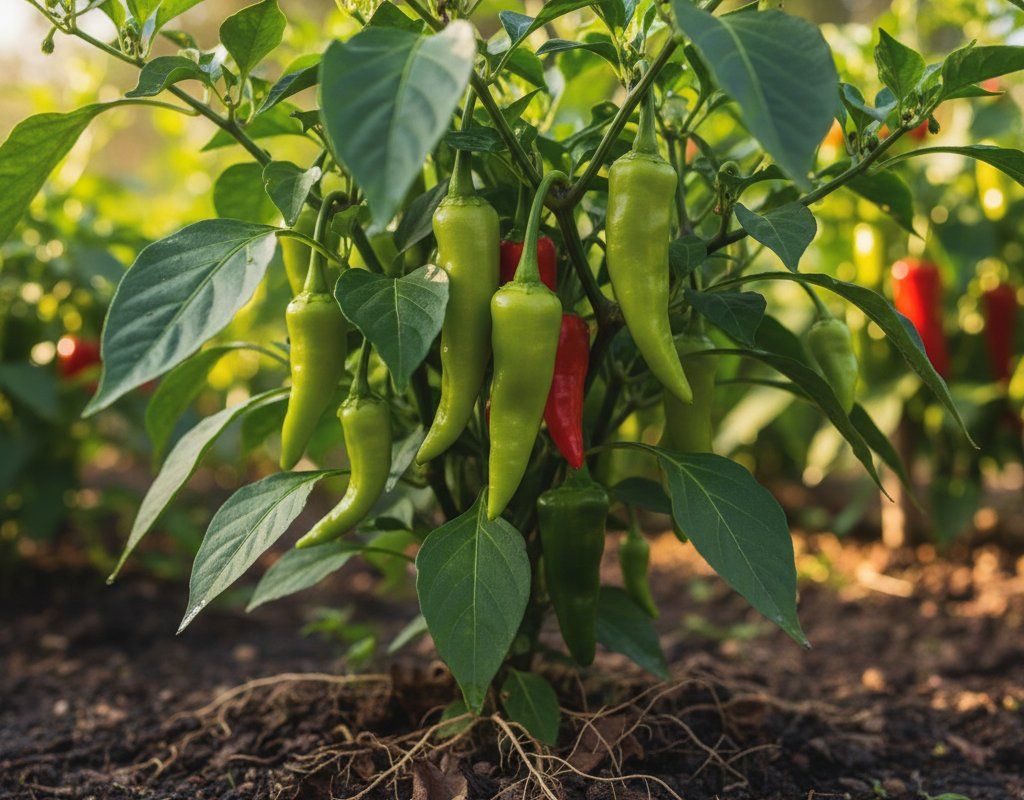
Serrano Peppers in Zone 5A — Mountain West
Capsicum annuum · Your Complete 2026 Planting Guide
Planning Ahead — Great!
You’re ahead of the season. Here’s when to start.
Mark Your Calendar
How to Plant Serrano Peppers in Zone 5A — Mountain West
Here are all your options for getting serrano peppers in the ground, from the easiest method to more advanced approaches.
Start Seeds Indoors
RecommendedLate March through mid April
around March 29
Then transplant: Late May through late June
Start seeds 8-10 weeks before transplanting outdoors.
Buy Starts
Works WellLate May through late June
around May 24
Plant purchased starts after last frost (May 10).
Direct Sow Seeds
ChallengingDirect sowing is not typical for Serrano Peppers.
Transplant Outdoors
Timing InfoLate May through late June
around May 24
Wait until nighttime temperatures stay above 50°F.
You have a nice window — no need to rush.
Overview
Serrano peppers bring a delightful kick to your high-altitude garden and your kitchen. Their manageable size and early maturity make them a rewarding crop even with our short growing season. Plus, the intense sun here seems to concentrate their flavor, giving them a unique zest.
Our Mountain West climate presents challenges, from the short 138-day growing season to the intense UV and cool nights. But don't worry, by starting indoors at the right time and providing adequate care, you can harvest plenty of these flavorful peppers before the first frost.
Starting Seeds Indoors
Starting Serrano peppers indoors is essential in our Zone 5A Mountain gardens. Begin in late March through mid April, about 8 weeks before you plan to transplant them outside. This gives them a head start before our often-late spring arrives.
Use seed trays with a good seed-starting mix and provide consistent warmth (around 80°F) using a heat mat. Place the trays under grow lights to ensure strong, healthy seedlings. Bottom watering is key to prevent damping-off; set the tray in a shallow dish of water and let the soil soak it up from the bottom.
Remember, our high altitude means the sun's intensity is greater, so ensure your seedlings are getting adequate light, but not scorched.
Transplanting Outdoors
Transplant your Serrano pepper seedlings outdoors in late May through late June, after the risk of frost has passed. Before transplanting, harden them off by gradually exposing them to outdoor conditions for about a week. This will help them adjust to the intense sun and cooler nights.
Plant them 18-24 inches apart in a well-drained location that receives full sun. Be mindful of potential late-season cold snaps; have row covers or frost blankets ready to protect your young plants if needed.
Watering Serrano Peppers in Zone 5A (Mountain West)
Consistent moisture is crucial for Serrano peppers to produce a steady supply of fruit, especially given our dry climate. In the Mountain West, water deeply but infrequently, allowing the soil to dry slightly between waterings. During the hottest part of the summer, you may need to water every 2-3 days, but always check the soil first.
Stick your finger about 2 inches deep into the soil; if it feels dry, it's time to water. Aim for about 1-2 inches of water per week, depending on rainfall. Water at the base of the plants to avoid wetting the foliage, which can lead to fungal issues, even with our low humidity.
Signs of underwatering include wilting leaves and blossom drop. Overwatering, on the other hand, can lead to yellowing leaves and root rot. A layer of mulch, like straw or wood chips, will help retain moisture and regulate soil temperature.
Supporting Your Serrano Peppers
While Serrano peppers have a bush-like growth habit, they can become quite prolific and top-heavy with fruit. Providing support is a good idea to prevent branches from breaking, especially after a heavy rain or hailstorm, which we often get in the mountains.
Staking is the easiest method. Insert sturdy stakes near the base of each plant at planting time, and gently tie the main stems to the stakes as they grow. Tomato cages also work well, providing all-around support.
Pruning & Maintaining Serrano Peppers
Pinching off the first few flowers that appear on your Serrano pepper plants is a great strategy for stronger plants and higher yields in the long run. Removing these early blooms encourages the plant to focus its energy on vegetative growth, resulting in a more robust plant that can support a larger fruit set later in the season.
Simply pinch off the flower buds with your fingers as soon as they appear. As the season winds down in late September, with the first frost approaching, consider removing any new flowers to direct the plant's energy into ripening the existing peppers.
🧪Fertilizing Serrano Peppers
Feeding Schedule
Organic Fertilizer Options
Harvest Time
You can expect your first harvest of Serrano peppers in mid August through late September, about 80 days after transplanting. Serranos are ready to harvest when they are firm and glossy. You can harvest them green for a milder heat or wait until they turn red for a fuller, more intense flavor.
To harvest, use pruning shears or scissors to cut the pepper from the plant, leaving a small piece of stem attached. Regular harvesting encourages continuous production. As the first frost approaches in late September, harvest all remaining peppers, even the green ones.
Green peppers will ripen indoors if stored in a paper bag with an apple or banana.
Common Problems in Zone 5A (Mountain West)
Here are some common problems you might encounter with Serrano peppers in our Mountain West gardens:
Blossom Drop
- What it looks like: Flowers fall off without setting fruit, or small fruit yellows and drops.
- What causes it: Temperature stress is the main culprit. Our cool nights and occasional hot days can throw things off. Low humidity and poor pollination can also contribute.
- How to fix/prevent it: Be patient; fruit set should resume when temperatures moderate. Provide afternoon shade during heat waves. Ensure consistent watering. Try hand-pollination by gently shaking the plant.
Aphids
- What it looks like: Clusters of tiny green, black, or white insects on stems and leaf undersides. Sticky honeydew residue and curled or distorted new growth.
- What causes it: These sap-sucking insects thrive in warm weather.
- How to fix/prevent it: A strong spray of water can knock them off. Encourage beneficial insects like ladybugs. Use insecticidal soap or neem oil for heavy infestations.
Spider Mites
- What it looks like: Fine stippling on leaves, fine webbing, and leaves turning bronze or yellow.
- What causes it: These tiny arachnids love hot, dry conditions.
- How to fix/prevent it: A strong spray of water daily for a week is very effective. Increase humidity around plants. Use neem oil or insecticidal soap.
Bacterial Spot
- What it looks like: Small, dark, water-soaked spots on leaves, stems, and fruit. Spots may have a yellow halo. Infected leaves may turn yellow and drop.
- What causes it: A bacterial disease that thrives in warm, humid conditions. It can be spread by splashing water or contaminated tools.
- How to fix/prevent it: Remove and destroy infected leaves and plants. Avoid overhead watering. Use copper-based fungicides as a preventative measure.
Mountain West Specific Challenges: Our intense UV radiation can stress plants, making them more susceptible to pests and diseases. The low humidity can exacerbate spider mite problems, so consistent watering is key. Be prepared for sudden temperature swings and potential hailstorms, which can damage your plants.
Best Companions for Serrano Peppers
Plant these nearby for healthier Serrano Peppers and better harvests.

Keep Away From

Companion Planting Details
Companion planting can be a great way to boost the health and productivity of your Serrano peppers.
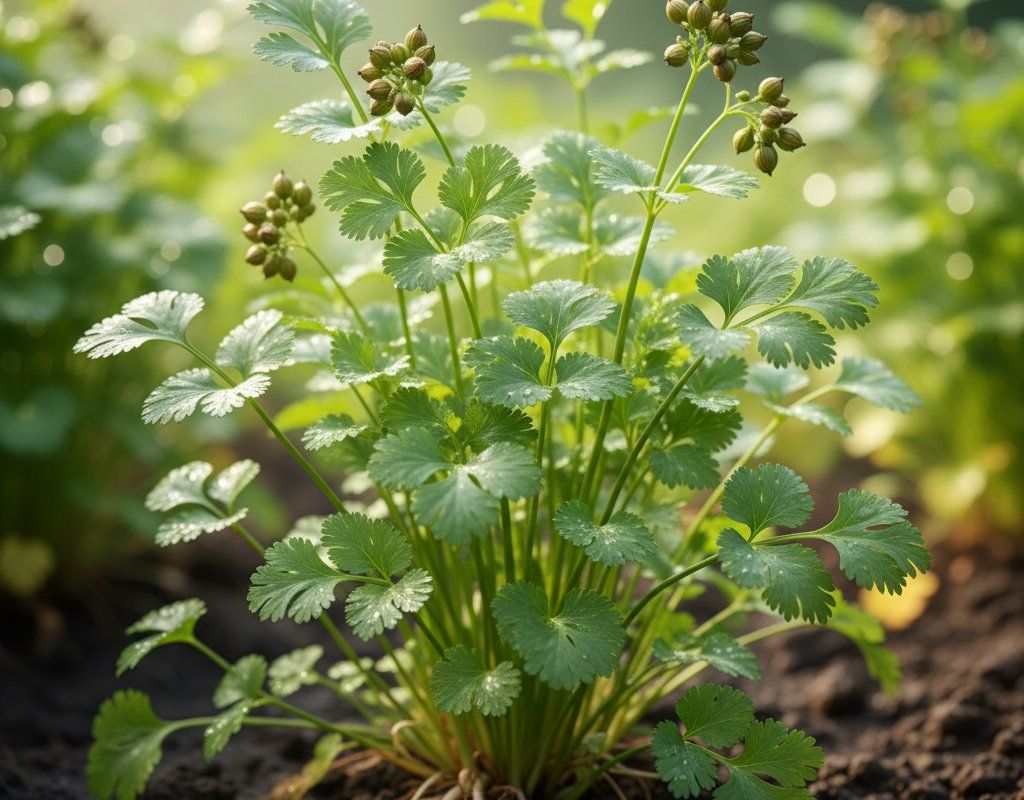
Good companions include tomatoes, as they share similar growing requirements and can provide some shade during the hottest part of the day. Basil is another excellent choice, as it repels pests and improves the flavor of peppers. Carrots help to loosen the soil, improving drainage, and cilantro attracts beneficial insects that prey on aphids.
Avoid planting fennel or kohlrabi near your Serrano peppers. Fennel inhibits the growth of many plants, and kohlrabi can attract pests that also affect peppers.
🌸Best Flowers to Plant with Serrano Peppers
These flowers protect your Serrano Peppers from pests and attract pollinators for better harvests.
For Pest Control

Get a Reminder When It's Time to Plant
We'll email you when key planting windows open for your zone.