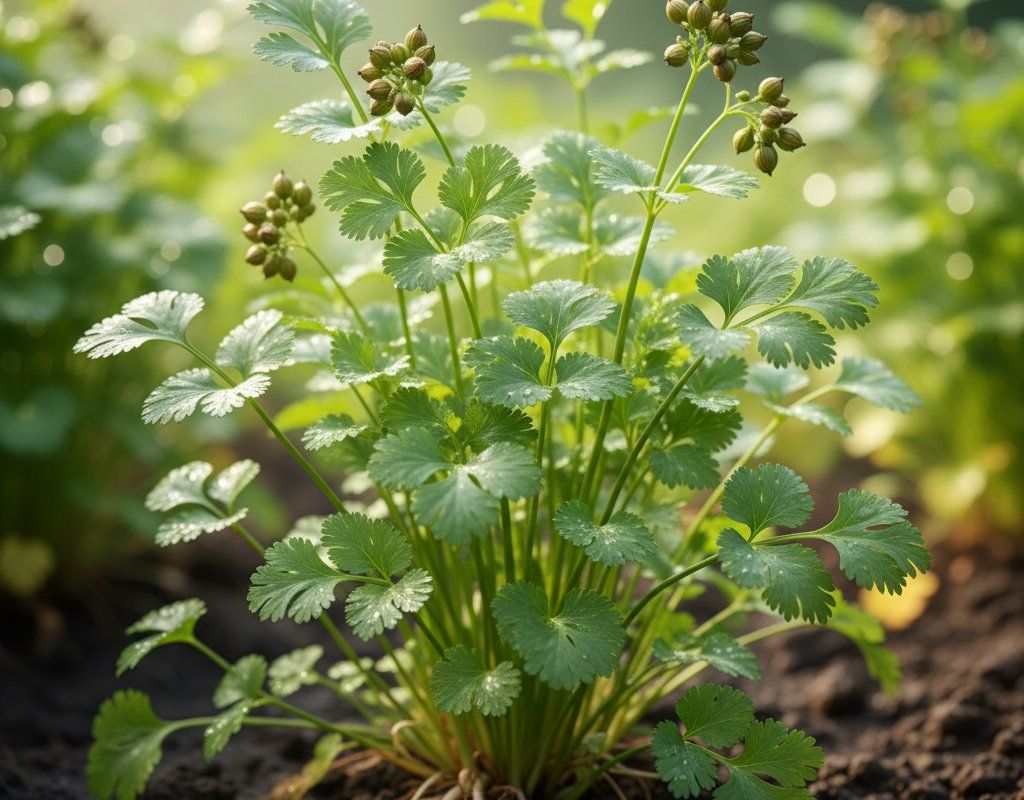
Cilantro in Zone 5A — Mountain West
Coriandrum sativum · Your Complete 2026 Planting Guide
Planning Ahead — Great!
You’re ahead of the season. Here’s when to start.
Mark Your Calendar
How to Plant Cilantro in Zone 5A — Mountain West
Here are all your options for getting cilantro in the ground, from the easiest method to more advanced approaches.
Direct Sow Seeds
RecommendedLate April through late July
around April 26
Consider succession planting every 2-3 weeks for continuous harvest.
Cilantro bolts quickly in heat. Direct sow in cool weather for best results.
Start Seeds Indoors
RecommendedEarly to late April
around April 12
Then transplant: Early May through late June
Start seeds 4-6 weeks before transplanting outdoors.
Buy Starts
Works WellEarly May through late June
around May 10
Plant purchased starts after last frost (May 10).
Transplant Outdoors
Timing InfoEarly May through late June
around May 10
Can tolerate light frost, but wait for soil to be workable.
You have a nice window — no need to rush.
Fall Planting
Late July through late August
August 14 ideal · Direct sow for fall harvest
Plant a second crop in mid-summer for fall harvest. Cilantro actually prefers the cooling temperatures of fall.
Overview
Cilantro thrives in our Mountain West climate where cool nights even in summer create perfect growing conditions for this heat-sensitive herb. The intense sun at high altitude produces wonderfully aromatic leaves with more concentrated flavor than you'd find in lower elevations, and our naturally alkaline soil suits cilantro well. You can harvest fresh leaves throughout our growing season for everything from salsa to Asian dishes, and even collect the seeds (coriander) for spice blends.
Yes, our 138-day growing season is short and our late spring start can feel limiting, but cilantro actually prefers cool weather and will bolt quickly in heat anyway. The key is timing your plantings right and taking advantage of our naturally cool mornings and evenings that keep this herb happy longer than gardeners in hotter climates can manage.
Starting Seeds Indoors
Starting cilantro seeds indoors makes sense if you want an early harvest or need to work around our unpredictable spring weather. Start seeds in early to late April, about 4 weeks before you plan to transplant outdoors. Our late spring start means indoor sowing gives you a head start on the growing season.
Use seed trays with good drainage and keep soil consistently moist through bottom watering - this prevents the delicate seedlings from getting knocked over by overhead watering. Cilantro seeds germinate slowly (7-14 days), so be patient. A heating mat helps speed germination, but once they're up, they prefer cooler conditions around 60-65°F.
Keep in mind that cilantro doesn't love being transplanted since it has a taproot. If you start indoors, use deeper cells or peat pots that can go directly in the ground to minimize root disturbance.
Transplanting Outdoors
Transplant your cilantro seedlings outdoors from early May through late June, after our last frost risk has passed. The narrow transplant window works well since cilantro prefers cool weather anyway - you're essentially matching the plant's needs with our mountain climate.
Harden off seedlings gradually over a week by exposing them to outdoor conditions for increasing periods each day. Our intense UV and temperature swings between day and night can shock tender seedlings, so this step is especially important at high altitude.
Space transplants 6-8 inches apart to allow good air circulation in our dry climate. Plant them at the same depth they were growing in their containers, and water them in well. The cool nights even in summer will help reduce transplant shock compared to hotter regions.
Direct Sowing
Direct sowing works beautifully for cilantro in our mountain climate since this herb actually prefers not being transplanted. Sow seeds from late April through late July, with the sweet spot being late spring when soil temperatures reach 55°F consistently.
Prepare your soil by working in some compost - our naturally alkaline soil benefits from organic matter to improve texture and water retention. Sow seeds about 1/4 inch deep and 2 inches apart, then thin to 6-8 inches once they germinate. The seeds need consistent moisture to germinate, which can be challenging in our dry climate.
The beauty of direct sowing is that you can succession plant every 2-3 weeks through mid-July to ensure continuous harvest. Since cilantro bolts quickly once temperatures consistently hit the mid-80s, these successive plantings give you fresh leaves all season rather than one big harvest that goes to seed.
Watering Cilantro in Zone 5A (Mountain West)
Cilantro needs consistent moisture but not waterlogged soil - think "evenly moist like a wrung-out sponge." In our dry Mountain climate with only 10-20 inches of annual rainfall, you'll need to water regularly throughout the growing season. Plan on about 1 inch of water per week, including any rainfall.
Check soil moisture by sticking your finger 2 inches deep near the base of plants. If it feels dry, it's time to water. In our low humidity environment, soil dries out faster than in more humid regions, so you might need to water every 2-3 days during peak summer, especially if temperatures reach the mid-80s.
Water at the base of plants rather than overhead to reduce water loss to evaporation and prevent leaf diseases. Our intense sun can cause water droplets to act like magnifying glasses and scorch leaves. Early morning watering works best so plants can dry off quickly.
Apply a thin layer of organic mulch around plants to help retain soil moisture and keep roots cool. Straw or shredded leaves work well in our climate. Watch for signs of stress: wilting during the heat of the day (even with adequate soil moisture) or premature bolting, which often happens when plants get too dry combined with our warm days.
🧪Fertilizing Cilantro
Feeding Schedule
Organic Fertilizer Options
Harvest Time
Your first cilantro harvest typically starts in early June and can continue through early October if you succession plant and manage bolting. With our 45-day maturity window, plants started in early May will be ready by mid-June, perfect timing for fresh summer cooking.
Begin harvesting when plants reach 6+ inches tall by cutting outer stems at the base with clean scissors or garden snips. Take no more than one-third of the plant at once to keep it producing new growth. The cool nights in our mountain climate help maintain leaf quality longer than in hotter regions.
Once cilantro sends up a flower stalk (bolting), the leaves become bitter and tough. In our moderate summer heat, you can delay bolting by providing some afternoon shade during the hottest weeks and keeping soil consistently moist. However, once it bolts, let it go to seed - you can harvest fresh coriander seeds for cooking.
As our first frost approaches in late September, harvest entire plants and use leaves fresh, or dry them for winter storage. Unlike some herbs, cilantro doesn't preserve its flavor well when dried, so focus on using it fresh or freezing it in ice cube trays with a little water for winter use.
Common Problems in Zone 5A (Mountain West)
Bolting Cilantro suddenly sends up a tall flower stalk and the leaves become bitter and tough. You'll notice the center of the plant stretching upward with small white flower clusters forming.
This happens when plants experience heat stress, long daylight hours, or inconsistent watering - all triggers for the plant to rush into seed production. Our intense high-altitude sun can trigger bolting even when temperatures seem moderate, especially during our longest days in June and July.
Plant cilantro in early spring or late summer to avoid peak heat, provide afternoon shade during the hottest weeks, and keep soil consistently moist. Choose slow-bolt varieties like 'Slow Bolt' or 'Calypso' that tolerate heat better. Succession plant every 2-3 weeks so you always have fresh plants coming along.
Aphids Small, soft-bodied insects cluster on stems and undersides of leaves, often green or black in color. You'll see sticky honeydew residue on leaves and curled or distorted new growth where they're feeding.
Aphid populations explode quickly in warm weather, and our dry mountain air means they're not washed off naturally by rain. They're particularly drawn to the tender new growth of cilantro plants.
Blast them off with a strong spray from your hose - this works especially well in our low humidity since they can't easily crawl back up wet stems. Encourage beneficial insects like ladybugs by planting flowering herbs nearby. For heavy infestations, use insecticidal soap applied in early morning or evening to avoid leaf burn from our intense sun.
Leaf Spot Small brown or yellow spots appear on leaves, sometimes with darker borders or fuzzy growth. Leaves may yellow and drop prematurely, starting from the bottom of the plant.
Fungal leaf spots develop when leaves stay wet too long, though this is less common in our dry climate. More often, it's caused by inconsistent watering that stresses plants or damage from our intense UV rays combined with water droplets on leaves.
Mountain West Specific Challenges Our combination of intense UV, low humidity, and temperature swings creates unique challenges for cilantro. The herb can actually sunscald in our high-altitude conditions, appearing as whitish or brown patches on leaves. Consider providing afternoon shade during peak summer weeks, and always water at soil level rather than overhead to prevent our intense sun from burning wet leaves.
Best Companions for Cilantro
Plant these nearby for healthier Cilantro and better harvests.

Keep Away From

Companion Planting Details
Cilantro makes an excellent companion for tomatoes and peppers since it naturally repels aphids and spider mites that commonly attack these warm-season crops. The herb's strong scent helps mask the smell of tomato plants that can attract harmful insects, and it matures quickly enough to be harvested before your tomatoes and peppers need the full space.
Plant cilantro alongside spinach and other cool-season greens for efficient use of garden space - they all prefer similar growing conditions and won't compete for nutrients. Beans also pair well since they fix nitrogen in the soil that cilantro can use, and the herb's taproot doesn't interfere with the beans' shallow root system. Avoid planting near fennel, which can inhibit cilantro's growth and affect its flavor through chemical interactions in the soil.
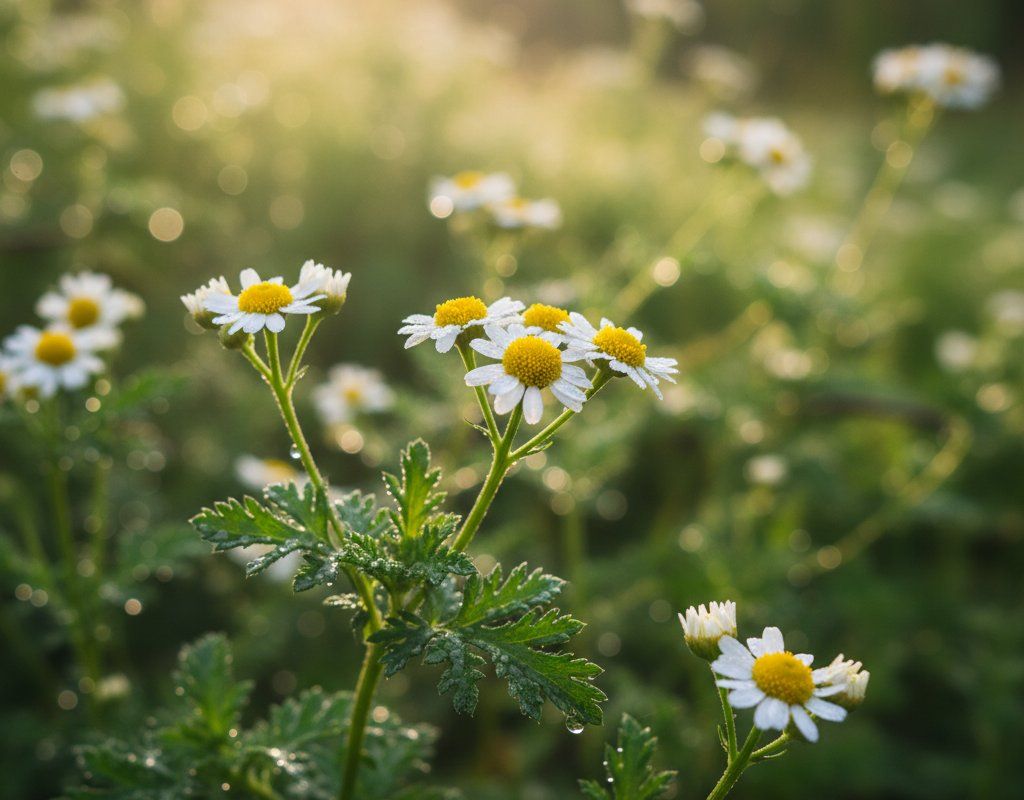
🌸Best Flowers to Plant with Cilantro
These flowers protect your Cilantro from pests and attract pollinators for better harvests.



Get a Reminder When It's Time to Plant
We'll email you when key planting windows open for your zone.