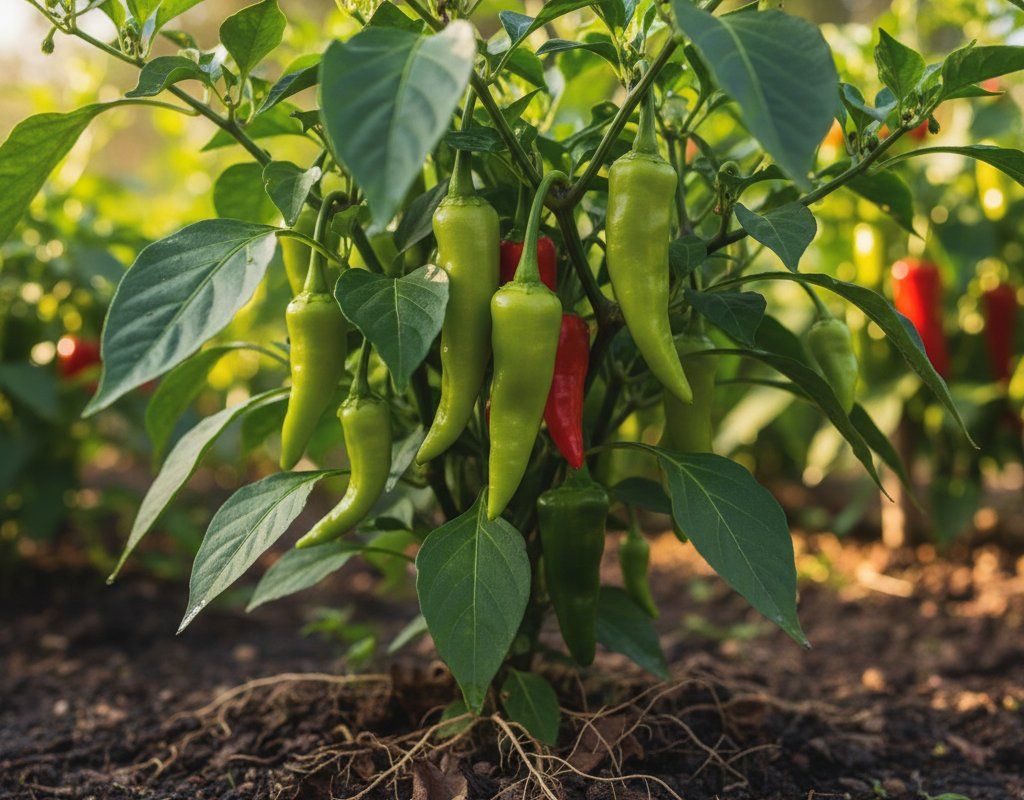
Serrano Peppers in Zone 9A — Southern California
Capsicum annuum · Your Complete 2026 Planting Guide
Time to Buy Starts!
Seed starting window passed, but starts are available now.
Buy Starts Now
Head to your local nursery, Home Depot, or farmers market for transplants.
- Look for stocky plants with dark green leaves
- Avoid leggy seedlings or plants already flowering
- Check that roots aren't circling the pot (rootbound)
How to Plant Serrano Peppers in Zone 9A — Southern California
Here are all your options for getting serrano peppers in the ground, from the easiest method to more advanced approaches.
Start Seeds Indoors
RecommendedMid December through early January
around December 21
Then transplant: Mid February through mid March
Start seeds 8-10 weeks before transplanting outdoors.
Buy Starts
Works WellMid February through mid March
around February 15
Plant purchased starts after last frost (February 1).
Direct Sow Seeds
ChallengingDirect sowing is not typical for Serrano Peppers.
Transplant Outdoors
Timing InfoMid February through mid March
around February 15
Wait until nighttime temperatures stay above 50°F.
You have a nice window — no need to rush.
Overview
Growing Serrano peppers is incredibly rewarding here in Southern California. Their spicy kick adds a fantastic dimension to salsas, tacos, and countless other dishes you’ll whip up using your year-round harvest. Plus, they’re relatively easy to grow and thrive in our long, warm season, adding vibrant color to your garden.
While we face challenges like drought and summer heat inland, don't worry. By starting your Serrano peppers indoors and timing your transplant carefully, you can enjoy a bountiful harvest. Our 322-day growing season gives you plenty of time to succeed.
Starting Seeds Indoors
To get a jump start on the season, begin your Serrano pepper seeds indoors from mid December through early January. This head start gives them about 8 weeks to develop before transplanting, taking advantage of our very-early spring.
Use seed trays or small pots filled with a well-draining seed-starting mix. Keep the soil consistently moist but not soggy, and provide warmth (around 75-80°F) using a heat mat if needed. Position the trays under grow lights or near a sunny window that gets plenty of light. An easy way to keep the moisture level consistent is to water from the bottom, letting the soil soak up what it needs.
Transplanting Outdoors
Transplant your Serrano pepper seedlings outdoors from mid February through mid March, after the last expected frost. Before transplanting, harden off the seedlings by gradually exposing them to outdoor conditions for about a week. Start with an hour or two of shade, increasing the time and sun exposure each day.
Choose a sunny spot with well-draining soil, spacing the plants 18-24 inches apart. Our weather can still be a bit unpredictable at this time, so keep an eye on the forecast for any late cold snaps. If one is predicted, be prepared to cover your young plants.
Watering Serrano Peppers in Zone 9A (Southern California)
Consistent watering is key for a steady supply of Serrano peppers. While more heat-tolerant than bell peppers, they still need regular moisture, especially during our hot summers.
During the cooler months (late fall through early spring), water deeply once a week, or when the top two inches of soil feel dry to the touch. In the heat of summer, you'll likely need to water every other day, or even daily in extreme heat inland. Aim for about 1-2 inches of water per week, depending on the temperature. It's generally best to water at the base of the plant, which helps prevent fungal diseases in our climate, where humidity is usually low-to-moderate.
Keep an eye out for drooping leaves, which can indicate either under or overwatering. Yellowing leaves could also indicate overwatering. Adding a layer of mulch around your plants helps retain moisture and regulate soil temperature, which is especially helpful during our dry summers.
Supporting Your Serrano Peppers
Serrano pepper plants can become quite prolific, and their branches can get heavy with peppers. Providing support is a good idea to prevent them from bending or breaking.
Staking is a simple and effective method. Insert sturdy stakes near the base of each plant at planting time, and gently tie the stems to the stakes as they grow. Cages also work well, providing all-around support as the plant expands.
Pruning & Maintaining Serrano Peppers
Pinching off the early flowers on your Serrano pepper plants can encourage them to focus their energy on vegetative growth, resulting in stronger, more productive plants later in the season.
Simply remove the first few sets of flowers that appear. As the season progresses, you can remove any yellowing or damaged leaves. Before our first frost around mid- December, you can prune back the plant to encourage new growth next spring, or pull the plant if production has slowed.
🧪Fertilizing Serrano Peppers
Feeding Schedule
Organic Fertilizer Options
Harvest Time
You can expect your first harvest of Serrano peppers from early May through late June, about 80 days after transplanting. The peppers are ready to harvest when they are firm and glossy. You can harvest them green for a milder heat or wait until they turn red for a fuller flavor.
Use pruning shears or scissors to cut the peppers from the plant, leaving a small piece of stem attached. Regular harvesting encourages the plant to produce more peppers. As the first frost approaches in mid- December, harvest any remaining peppers, even if they are still green. They will ripen indoors in a warm, sunny location.
Common Problems in Zone 9A (Southern California)
Here are some common problems you might encounter with your Serrano peppers in Southern California:
Blossom Drop
- What it looks like: Flowers fall off without setting fruit. Small fruit yellows and drops. The plant looks healthy, but produces no fruit.
- What causes it: Temperature stress is the main culprit. Serrano peppers don't set fruit well when nights stay above 75°F or days exceed 95°F. Low humidity, excess nitrogen, or poor pollination can also contribute.
- How to fix/prevent it: Be patient — fruit set usually resumes when temperatures moderate. Provide afternoon shade during extreme heat inland. Keep plants well-watered, but avoid excess nitrogen fertilizer. You can also try hand-pollination.
Aphids
- What it looks like: Clusters of tiny soft-bodied insects (green, black, or white) on stems and leaf undersides. Sticky honeydew residue. Curled or distorted new growth.
- What causes it: These rapid-reproducing sap-sucking insects thrive in warm weather. Ant colonies may farm them for their honeydew.
- How to fix/prevent it: A strong water spray can knock them off. Encourage beneficial insects like ladybugs and lacewings. Use insecticidal soap for heavy infestations, or neem oil for a systemic approach. Avoid excess nitrogen fertilizer, which attracts them.
Spider Mites
- What it looks like: Fine stippling on leaves (tiny white dots). Fine webbing on leaf undersides and between stems. Leaves turn bronze or yellow.
- What causes it: These tiny arachnids thrive in hot, dry conditions. Populations explode during drought stress.
- How to fix/prevent it: A strong water spray (daily for a week) is the best treatment. Increase humidity around plants. Neem oil or insecticidal soap can also help. Release predatory mites (Phytoseiulus persimilis). Avoid broad-spectrum pesticides that kill beneficial predators.
Bacterial Spot
- What it looks like: Small, dark, water-soaked spots on leaves and fruit. Spots may have a yellow halo. Leaves may turn yellow and drop.
- What causes it: This bacterial disease is spread by splashing water and is more common in humid conditions.
- How to fix/prevent it: Remove and destroy infected leaves and fruit. Avoid overhead watering. Improve air circulation around plants. Apply a copper-based fungicide as a preventative measure.
Southern California Specific Challenges: Our hot summers inland and occasional Santa Ana winds can exacerbate blossom drop and spider mite problems. Be sure to provide afternoon shade during the hottest periods and water deeply and regularly to combat drought stress.
Best Companions for Serrano Peppers
Plant these nearby for healthier Serrano Peppers and better harvests.

Keep Away From

Companion Planting Details
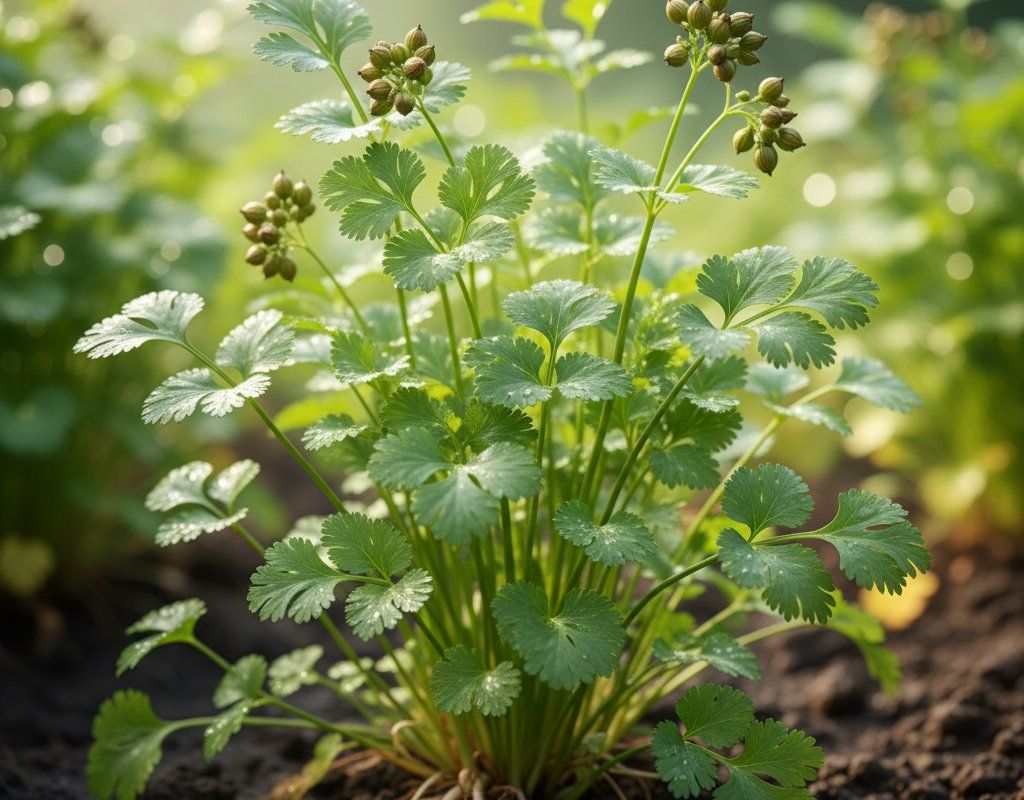
Companion planting can be a great way to improve the health and productivity of your Serrano peppers. Tomatoes make excellent companions because they share similar growing requirements and can provide some shade during our intense summer heat inland. Basil is another great choice, as it repels many common pepper pests and attracts beneficial insects. Carrots can help loosen the soil around your pepper plants, improving drainage, and cilantro attracts beneficial insects like ladybugs and lacewings.
Avoid planting fennel or kohlrabi near your Serrano peppers. Fennel inhibits the growth of many plants, and kohlrabi can attract cabbage white butterflies, which can also damage your pepper plants.
🌸Best Flowers to Plant with Serrano Peppers
These flowers protect your Serrano Peppers from pests and attract pollinators for better harvests.
For Pest Control

Get a Reminder When It's Time to Plant
We'll email you when key planting windows open for your zone.