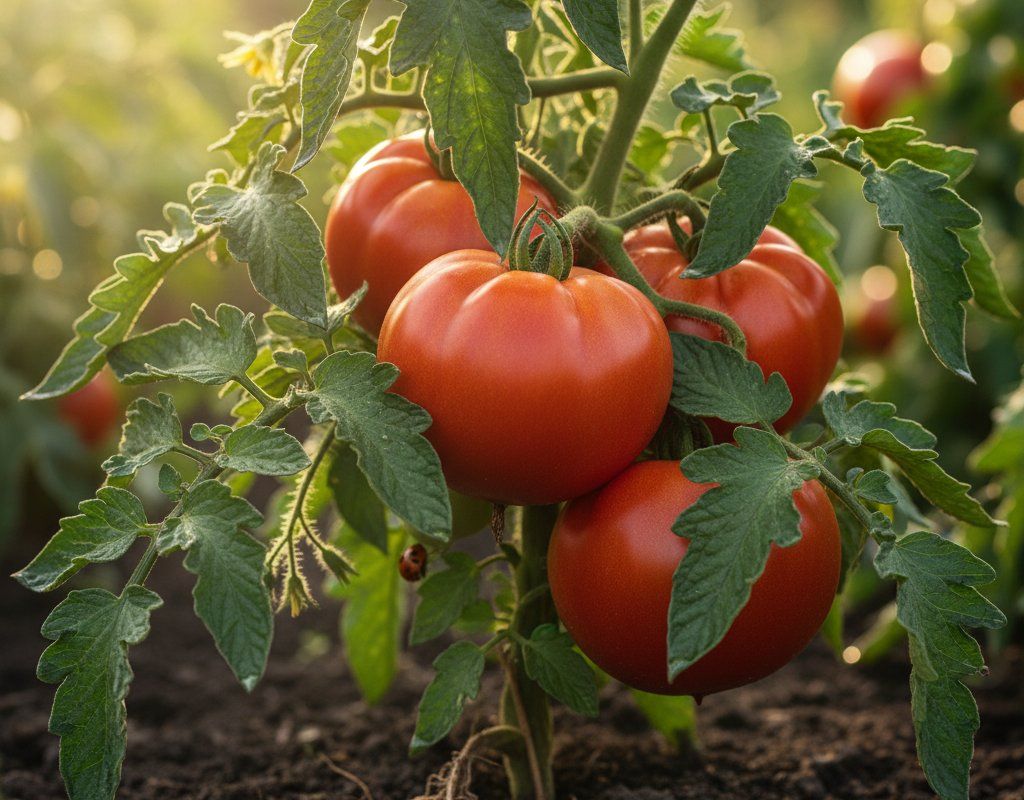
Beefsteak Tomatoes in Zone 9A — Southern California
Solanum lycopersicum · Your Complete 2026 Planting Guide
Time to Buy Starts!
Seed starting window passed, but starts are available now.
Buy Starts Now
Head to your local nursery, Home Depot, or farmers market for transplants.
- Look for stocky plants with dark green leaves
- Avoid leggy seedlings or plants already flowering
- Check that roots aren't circling the pot (rootbound)
How to Plant Beefsteak Tomatoes in Zone 9A — Southern California
Here are all your options for getting beefsteak tomatoes in the ground, from the easiest method to more advanced approaches.
Start Seeds Indoors
RecommendedLate December through mid January
around January 4
Then transplant: Mid February through mid March
Start seeds 6-8 weeks before transplanting outdoors.
Buy Starts
Works WellMid February through mid March
around February 15
Plant purchased starts after last frost (February 1).
Direct Sow Seeds
ChallengingDirect sowing is not typical for Beefsteak Tomatoes.
Transplant Outdoors
Timing InfoMid February through mid March
around February 15
Wait until nighttime temperatures stay above 50°F.
You have a nice window — no need to rush.
Overview
Beefsteak tomatoes are the crown jewel of Southern California gardens, producing massive, meaty fruits perfect for slicing thick for sandwiches or caprese salads with fresh basil. Our year-round growing season and abundant summer heat create ideal conditions for these heat-loving giants, allowing you to grow varieties that struggle in cooler climates. The satisfaction of harvesting a perfectly ripe, 1-pound beefsteak tomato that dwarfs anything from the grocery store makes the extra care worthwhile.
While beefsteaks demand consistent water and sturdy support, our 322-day growing season gives you plenty of time to master their needs. The key challenge here is managing water during our hot, dry summers while avoiding the boom-bust cycles that cause cracking and blossom end rot. Start early enough to get transplants established before the inland heat peaks, and you'll enjoy harvests from late spring through our mild winters.
Starting Seeds Indoors
Start your beefsteak tomato seeds indoors from late December through mid-January, about 6 weeks before you plan to transplant. This timing takes advantage of Southern California's very early spring, getting your plants established while nights are still cool enough to prevent stress. Use seed starting trays with quality potting mix, keeping them at 70-75°F for fastest germination.
Bottom watering works best to avoid disturbing seeds and prevents damping-off disease that thrives in our mild, humid winter conditions. Place trays on heating mats if your indoor temperatures drop below 65°F at night. Once seedlings emerge, provide bright light from grow lights or a sunny south-facing window.
Your seedlings will be ready for transplanting by mid-February when our last frost danger passes. This early start gives beefsteaks time to establish strong root systems before summer heat arrives, setting you up for better fruit production through the long growing season.
Transplanting Outdoors
Transplant your beefsteak seedlings outdoors from mid-February through mid-March, after our typical last frost window passes in early February. Harden off seedlings gradually over one week by placing them outside for increasing hours each day, starting with 2-3 hours of morning sun. This prevents transplant shock from our bright Southern California sun and occasional warm February days.
Space plants 36-48 inches apart to allow good air circulation around these large, spreading plants. The wider spacing is especially important in our low-to-moderate humidity climate where fungal diseases can still develop if plants are crowded. Choose a location with full sun and protection from Santa Ana winds that can damage young transplants.
Plant after soil temperatures reach 60°F consistently, usually by mid-February in most SoCal areas. If an unexpected cold snap threatens, protect transplants with row covers or Wall O' Water devices until temperatures stabilize.
Watering Beefsteak Tomatoes in Zone 9A (Southern California)
Beefsteaks need consistent, deep watering throughout our hot, dry summers to produce their characteristic large fruit. With only 10-20 inches of winter rainfall and virtually no summer precipitation, you'll provide all moisture from transplant through harvest. Plan on 1.5-2 inches of water per week during peak summer heat, applied in 2-3 deep sessions rather than daily sprinkles.
Use the finger test to check soil moisture 2 inches deep near the base of plants. When dry at that depth, it's time for a thorough watering session. Water at the base rather than overhead to keep leaves dry and reduce disease pressure in our low-to-moderate humidity conditions. Soaker hoses or drip irrigation work perfectly for this.
The critical period is late spring through early fall when our 92°F average highs stress plants while fruit is sizing up. Inconsistent watering during this time causes the dreaded boom-bust cycle that leads to fruit cracking and blossom end rot. These problems are preventable with steady moisture levels.
Apply 3-4 inches of organic mulch around plants to conserve precious water and moderate soil temperatures during summer heat. Wood chips, straw, or shredded leaves all work well and help stretch your water budget during drought years or water restrictions.
Supporting Your Beefsteak Tomatoes
Install sturdy cages or stakes at planting time, as beefsteak tomatoes become massive plants with heavy fruit that can easily snap branches. Use 6-foot tall, heavy-gauge cages or thick wooden stakes with soft ties to support the substantial weight. Standard tomato cages from garden centers are usually too flimsy for beefsteaks.
Indeterminate beefsteaks continue growing all season, often reaching 8+ feet tall in our long growing season. As plants grow, tie main stems to stakes every 12-18 inches using soft cloth strips or tomato clips. Support fruit-heavy branches individually with slings made from old t-shirts or pantyhose to prevent snapping.
Check supports monthly and reinforce as needed, especially before Santa Ana wind events that can topple unsupported plants. The investment in proper support pays off when you're harvesting pound-plus tomatoes instead of cleaning up broken plants.
Pruning & Maintaining Beefsteak Tomatoes
Remove suckers (shoots growing between main stem and branches) regularly to direct energy into fewer, larger fruits. Start when plants are about 12 inches tall and continue throughout the growing season. Pinch small suckers by hand or use clean pruners for larger ones.
Focus on removing suckers below the first flower cluster and any that grow from the base of the plant. Leave 2-3 main stems on indeterminate varieties to balance fruit production with plant vigor. Remove lower leaves that touch the ground to improve air circulation and reduce disease pressure.
As our first frost approaches around mid-December, top plants by pinching growing tips in early November. This directs remaining energy into ripening existing fruit rather than producing new flowers that won't have time to mature. Remove any diseased or yellowing foliage throughout the season to keep plants healthy.
🧪Fertilizing Beefsteak Tomatoes
Feeding Schedule
Organic Fertilizer Options
Harvest Time
Expect your first beefsteak harvest from mid-May through late June, roughly 85 days from transplanting. The exact timing depends on variety and spring weather patterns, but our warm Southern California conditions typically speed ripening compared to cooler zones. Look for deep, uniform color and slight give when you cup the fruit in your hand.
Harvest by twisting and lifting gently, or use clean pruners to cut the stem just above the fruit. Handle carefully as ripe beefsteaks bruise easily due to their thin skin and juicy flesh. Check plants every 2-3 days during peak season as fruit can go from perfect to overripe quickly in summer heat.
Continue harvesting regularly to encourage ongoing fruit production through our extended growing season. Beefsteaks will produce into November or even December in frost-free areas, giving you months of fresh tomatoes. Remove any cracked or damaged fruit immediately to prevent attracting pests.
When first frost threatens around mid-December, harvest all remaining green fruit larger than golf ball size. These will ripen indoors in a paper bag with a banana, extending your harvest well into winter. Our mild winter temperatures often allow plants to survive light frosts and resume production after cold snaps pass.
Common Problems in Zone 9A (Southern California)
Cracking appears as splits in the tomato skin, either in circles around the stem (concentric) or radiating outward like spokes (radial). These splits expose the flesh and invite rot, ruining otherwise perfect fruit. In Southern California's boom-bust water cycle, cracking happens when heavy irrigation or unexpected winter rains follow dry periods, causing fruit to absorb water faster than skin can stretch. Water consistently year-round to avoid dramatic moisture swings, mulch heavily to maintain even soil moisture, and harvest promptly when ripe rather than leaving fruit on the vine.
Catfacing creates deep crevices, scars, and lumpy deformities on the blossom end of fruit, making tomatoes look misshapen and unmarketable. Cool nighttime temperatures during flowering (below 55°F) cause incomplete pollination, triggering this condition in large-fruited varieties like beefsteaks. While our winters are generally mild, occasional cold snaps in February and March can cause catfacing on early plantings. Wait until nighttime temperatures consistently stay above 55°F before transplanting, use row covers during unexpected cold spells, and remember that ugly catfaced tomatoes are perfectly edible.
Blossom end rot shows as sunken, dark brown or black leathery patches on the bottom of fruit, often affecting the season's first tomatoes. This isn't a disease but a calcium deficiency caused by inconsistent watering that prevents calcium uptake. Our hot, dry summers make this especially common when gardeners alternate between drought stress and flooding cycles. Maintain consistent soil moisture through regular deep watering, apply 3-4 inches of mulch, and avoid over-fertilizing with nitrogen which interferes with calcium absorption.
Slow ripening leaves you with large green tomatoes that seem stuck in time, refusing to turn red despite warm weather. While our Southern California heat typically speeds ripening, excessive nitrogen fertilizer, inadequate sunlight, or natural variety characteristics can slow the process. Reduce nitrogen applications after fruit set, ensure plants receive full sun (remove shading growth), and be patient with beefsteak varieties that naturally ripen slower than smaller tomatoes. Use red plastic mulch to reflect additional heat and light onto developing fruit.
Southern California Specific Challenges: Our hot, dry summers combined with water restrictions create perfect conditions for blossom end rot and cracking if irrigation isn't managed carefully. Santa Ana winds can damage heavy fruit-laden branches and increase water stress, while our intense sun can cause sunscald on exposed fruit. The key to success is consistent deep watering, sturdy support systems, and strategic shade cloth during extreme heat waves above 100°F.
Best Companions for Beefsteak Tomatoes
Plant these nearby for healthier Beefsteak Tomatoes and better harvests.
View Full Companion Planting Chart →



Companion Planting Details
Plant basil near your beefsteak tomatoes to improve flavor and repel aphids and hornworms with its strong scent. Carrots make excellent companions as their deep taproots don't compete with tomato roots and help break up clay soil common in Southern California. Parsley attracts beneficial insects while marigolds deter nematodes with their root secretions - particularly valuable in our warm soil that favors these pests.
Avoid planting brassicas (cabbage, broccoli, kale) near tomatoes as they're heavy nitrogen feeders that compete for the same nutrients during our long growing season. Fennel secretes compounds that inhibit tomato growth, while corn attracts the same hornworms that devastate tomato plants. In our water-conscious climate, grouping plants with similar irrigation needs makes more sense than traditional companion planting rules.
🌸Best Flowers to Plant with Beefsteak Tomatoes
These flowers protect your Beefsteak Tomatoes from pests and attract pollinators for better harvests.


Get a Reminder When It's Time to Plant
We'll email you when key planting windows open for your zone.