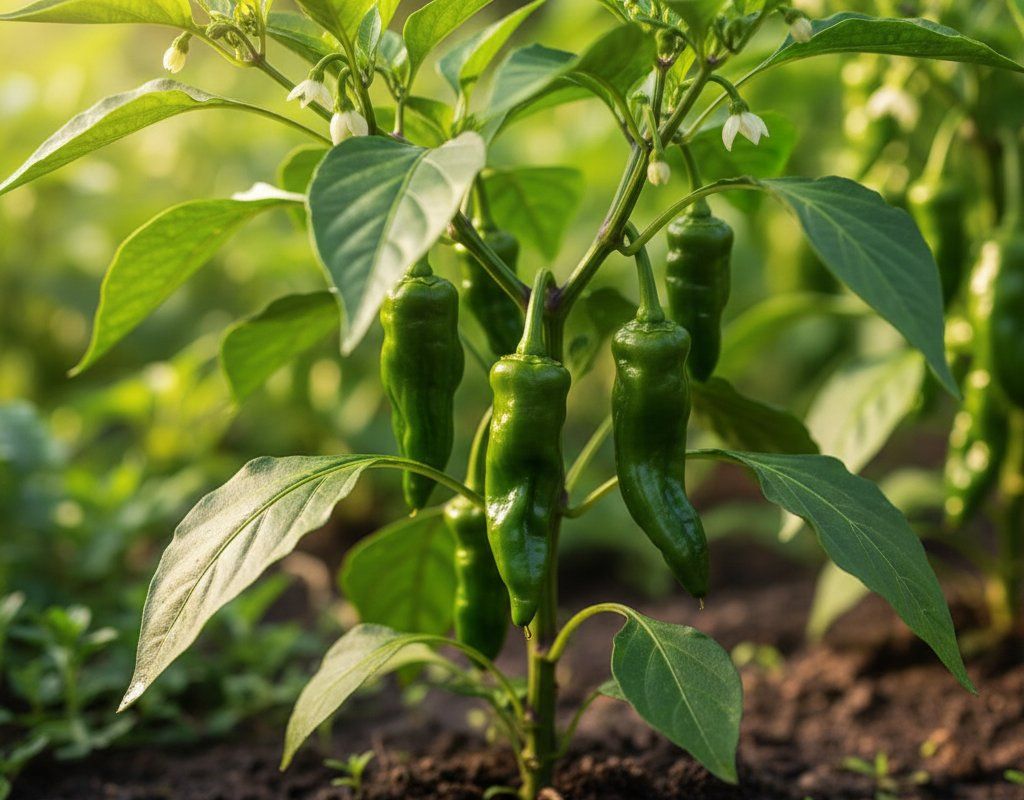
Shishito Pepper in Zone 4A — Mountain West
Capsicum annuum 'Shishito' · Your Complete 2026 Planting Guide
Planning Ahead — Great!
You’re ahead of the season. Here’s when to start.
Mark Your Calendar
How to Plant Shishito Pepper in Zone 4A — Mountain West
Here are all your options for getting shishito pepper in the ground, from the easiest method to more advanced approaches.
Start Seeds Indoors
RecommendedEarly to late April
around April 8
Then transplant: Early June through early July
Start seeds 8-10 weeks before transplanting outdoors.
Buy Starts
Works WellEarly June through early July
around June 3
Plant purchased starts after last frost (May 20).
Direct Sow Seeds
ChallengingDirect sowing is not typical for Shishito Pepper.
Transplant Outdoors
Timing InfoEarly June through early July
around June 3
Wait until nighttime temperatures stay above 50°F.
You have a nice window — no need to rush.
Overview
Shishito Peppers are a fun and rewarding crop for us Mountain gardeners. Their mild, slightly sweet flavor with the occasional spicy surprise makes them perfect for grilling, blistering, or adding to stir-fries. Plus, they thrive in our intense sunlight and the cool nights even in summer seem to concentrate their flavors.
Our short growing season and alkaline soil can be a challenge, but starting your Shishitos indoors and amending your soil properly gives you a great head start. With a little attention to detail, you can easily harvest these peppers within our 118-day window.
Starting Seeds Indoors
Starting your Shishito Pepper seeds indoors in early to late April is essential in our climate. That's about 8 weeks before you can safely transplant them outdoors. Use seed trays or small pots filled with a good seed-starting mix.
Keep the soil consistently moist but not soggy, and provide warmth using a heat mat or by placing the trays in a warm location. Bottom watering is a great way to keep the soil evenly moist without disturbing the delicate seedlings. Once they sprout, make sure they get plenty of light – a grow light is ideal, especially with our late spring starts often having cloudy days.
Transplanting Outdoors
Transplant your Shishito Pepper seedlings outdoors from early June through early July, once the danger of frost has passed. Before transplanting, harden them off by gradually exposing them to outdoor conditions for about a week. This helps them adjust to the intense sun and cooler nights.
Space the plants 18-24 inches apart in a sunny spot with well-drained soil. Watch out for late-season cold snaps. Even in June, we can get some unexpected chilly weather, so be ready to cover your young plants if necessary.
Watering Shishito Pepper in Zone 4A (Mountain West)
Shishito Peppers need consistent moisture, especially in our dry Mountain climate. While they aren't drought-tolerant, overwatering can be just as detrimental. Aim for about 1 inch of water per week, but adjust based on rainfall and temperature.
The finger test is your best friend: stick your finger about 2 inches into the soil near the base of the plant. If it feels dry, it's time to water. Water deeply at the base of the plant rather than overhead to avoid fungal issues in our low-humidity environment.
Pay attention to the leaves. Wilting leaves, even when the soil is moist, can indicate overwatering, while yellowing leaves can be a sign of underwatering. A layer of mulch, like straw or shredded bark, will help retain moisture and regulate soil temperature.
Supporting Your Shishito Pepper
Shishito Pepper plants are relatively compact, but they can become top-heavy when loaded with peppers. While staking isn't always necessary, it can prevent the branches from breaking, especially after a summer hailstorm.
A simple stake placed near the base of the plant is often sufficient. Install the stake at planting time to avoid damaging the roots later. As the plant grows, gently tie the main stem to the stake with soft twine or plant tape.
Pruning & Maintaining Shishito Pepper
Pruning Shishito Peppers is pretty straightforward. Pinch off any early blooms to encourage the plant to focus on vegetative growth, resulting in a stronger plant and more peppers later in the season.
Harvesting peppers frequently also encourages continued production. As the first frost approaches around mid- September, you can remove any remaining flowers to direct the plant's energy into ripening the existing peppers.
🧪Fertilizing Shishito Pepper
Feeding Schedule
Organic Fertilizer Options
Harvest Time
You can expect your first Shishito Pepper harvest from early August through mid September, about 60 days after transplanting. The peppers are typically harvested when they are green and 3-4 inches long. They're delicious at this stage, especially when blistered in a hot pan.
The peppers will be smooth, firm and green when ripe. Use scissors or pruning shears to cut the peppers from the plant, leaving a short stem attached. Regular harvesting encourages the plant to produce more peppers.
As the first frost approaches, harvest all remaining peppers, even the smaller ones. Green peppers can ripen indoors in a warm, sunny location.
Common Problems in Zone 4A (Mountain West)
Here are a few common problems you might encounter with Shishito Peppers in our Mountain gardens:
Aphids *What it looks like:* Clusters of tiny green, black, or white insects on stems and undersides of leaves. You might also notice a sticky residue (honeydew) or curled, distorted new growth. *What causes it:* These sap-sucking insects thrive in warm weather and can reproduce rapidly. Ant colonies often protect them in exchange for honeydew. *How to fix/prevent it:* A strong blast of water from your hose can knock them off. Encourage natural predators like ladybugs. For heavy infestations, use insecticidal soap or neem oil. Avoid over-fertilizing with nitrogen, as it attracts aphids.
Occasional Random Hot One *What it looks like:* This one is sneaky! You won't know until you bite into it, but occasionally a Shishito pepper will pack some heat. *What causes it:* Genetics and environmental factors can play a role. Stressful conditions, like inconsistent watering or temperature fluctuations, might increase the chance of a spicy pepper. *How to fix/prevent it:* Unfortunately, there's no foolproof way to prevent it. Just be prepared for a surprise now and then. Some gardeners believe that consistent watering and avoiding stress on the plant can help.
Sunscald *What it looks like:* White or tan papery patches on the fruit, usually on the side facing the sun. The affected areas may blister and become susceptible to rot. *What causes it:* Intense, direct sunlight, especially after leaves have been removed or lost, exposing the fruit. Our high altitude sun is particularly intense. *How to fix/prevent it:* Avoid over-pruning the foliage. If the fruit is suddenly exposed, drape a small piece of row cover or shade cloth over it during the hottest part of the day.
Mountain West Specific Challenges: Our intense sun at high altitude makes sunscald a real concern. Low humidity means you need to water consistently, but also watch for aphids. The dry air can stress plants, potentially leading to more "hot" peppers.
Best Companions for Shishito Pepper
Plant these nearby for healthier Shishito Pepper and better harvests.




Keep Away From

Companion Planting Details
Companion planting can be very helpful in our Mountain gardens, maximizing space and helping plants thrive.
Tomatoes are great companions for Shishito Peppers. They share similar growing requirements and can provide some shade, protecting the peppers from sunscald. Basil is another excellent choice. It repels pests like aphids and attracts beneficial insects. Carrots and onions planted nearby can also deter pests and improve soil health.
Avoid planting Shishito Peppers near fennel, as it inhibits the growth of many plants. Also, brassicas like cabbage and broccoli can attract similar pests, potentially increasing problems for your peppers.
🌸Best Flowers to Plant with Shishito Pepper
These flowers protect your Shishito Pepper from pests and attract pollinators for better harvests.
For Pest Control


For Pollinators


Get a Reminder When It's Time to Plant
We'll email you when key planting windows open for your zone.