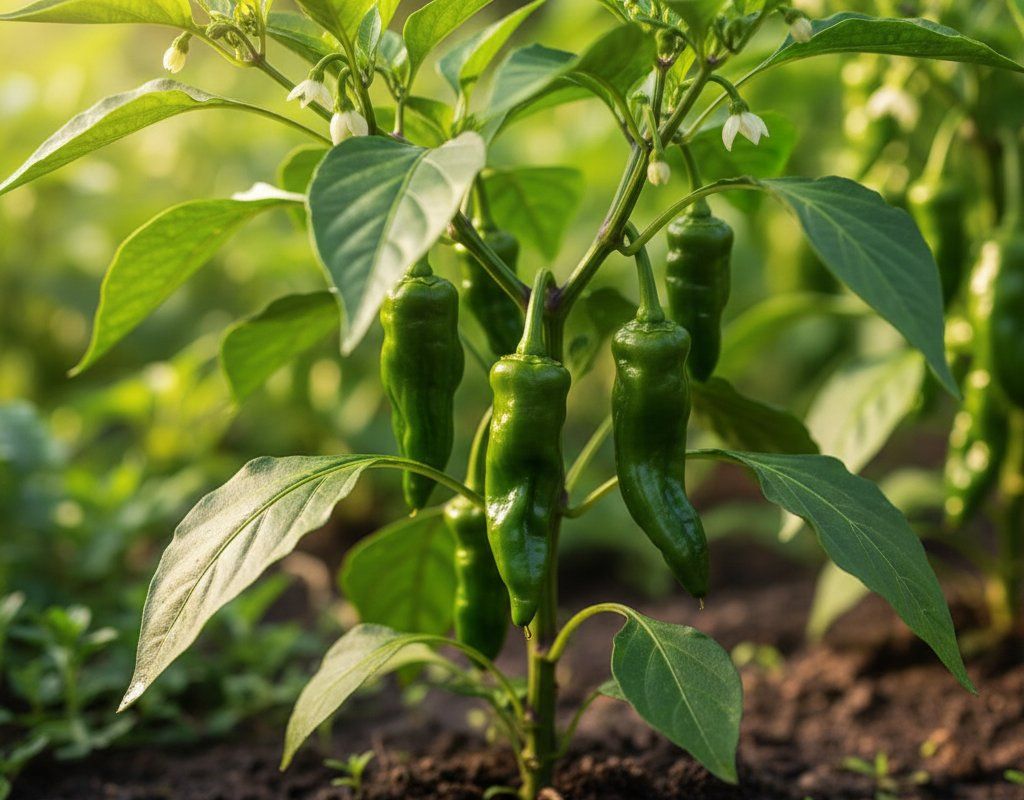
Shishito Pepper in Zone 7B — Mid-Atlantic
Capsicum annuum 'Shishito' · Your Complete 2026 Planting Guide
Missed Seed Starting? No Problem!
Wait for starts to become available.
What to Do
Starts will be available at nurseries in 42 days (around April 15).
How to Plant Shishito Pepper in Zone 7B — Mid-Atlantic
Here are all your options for getting shishito pepper in the ground, from the easiest method to more advanced approaches.
Start Seeds Indoors
RecommendedMid February through early March
around February 18
Then transplant: Mid April through mid May
Start seeds 8-10 weeks before transplanting outdoors.
Buy Starts
Works WellMid April through mid May
around April 15
Plant purchased starts after last frost (April 1).
Direct Sow Seeds
ChallengingDirect sowing is not typical for Shishito Pepper.
Transplant Outdoors
Timing InfoMid April through mid May
around April 15
Wait until nighttime temperatures stay above 50°F.
You have a nice window — no need to rush.
Overview
Shishito peppers are a fantastic addition to any Mid-Atlantic garden. Their mild, slightly sweet flavor (with the occasional spicy surprise!) is delicious grilled, blistered, or tossed into stir-fries. Plus, they thrive in our four-season climate, giving you a productive harvest from mid-summer well into the fall.
Our humid summers and variable spring weather can present challenges, but with a little planning, Shishitos are easy to grow. The Mid-Atlantic's 214-day growing season gives you ample time to get these peppers from seed to table.
Starting Seeds Indoors
Starting Shishito pepper seeds indoors gives you a head start on our growing season. Aim to sow your seeds from mid-February through early March, roughly eight weeks before you plan to transplant them outdoors. This timing lets you avoid any late frosts that sometimes surprise us in the Mid-Atlantic.
Use seed trays or small pots filled with a good seed-starting mix. Keep the soil consistently moist, using bottom watering to avoid disturbing the tiny seeds. Place the trays in a warm location, ideally around 75-80°F, and provide plenty of light using grow lights.
Transplanting Outdoors
Transplant your Shishito pepper seedlings outdoors from mid-April through mid-May, once the danger of frost has passed. Before planting them in the ground, harden them off. This means gradually exposing them to outdoor conditions for about a week, starting with just a few hours each day.
Space your plants 18-24 inches apart in a sunny spot with well-drained soil. Be mindful of potential temperature swings this time of year and protect tender seedlings if a late cold snap is forecast.
Watering Shishito Pepper in Zone 7B (Mid-Atlantic)
Shishito peppers need consistent moisture, especially with our humid summers. Aim to keep the soil evenly moist, but not waterlogged. The finger test is your best friend here: stick your finger about two inches into the soil, and if it feels dry, it's time to water.
During the hottest part of the summer, you'll likely need to water deeply two or three times a week, providing about 1-2 inches of water each time. Water at the base of the plants to avoid wetting the foliage, which can encourage fungal diseases in our humid climate. Yellowing leaves can signal overwatering, while wilting leaves indicate underwatering.
Mulching around your pepper plants with straw or shredded leaves helps retain moisture and suppress weeds. This is especially helpful in our region, where we can get periods of heavy rainfall followed by hot, dry spells.
Supporting Your Shishito Pepper
Shishito peppers have a bushy growth habit and produce a lot of peppers, so they may benefit from some support. While not strictly necessary, light staking can prevent them from leaning or toppling over, especially after a heavy rain.
Install stakes at planting time, placing one stake next to each plant. Use soft twine or plant ties to loosely secure the stems to the stakes as they grow. This gives the plants support without restricting their natural movement.
Pruning & Maintaining Shishito Pepper
Pinching off the first few flower buds on your Shishito pepper plants encourages them to focus their energy on vegetative growth, leading to stronger, more productive plants. Do this early in the season, before the plants get too big.
Throughout the season, harvest peppers frequently to keep the plants producing. As the first frost approaches in early November, you can remove any remaining flowers to encourage the plant to put its energy into ripening the existing peppers.
🧪Fertilizing Shishito Pepper
Feeding Schedule
Organic Fertilizer Options
Harvest Time
You can expect your first harvest of Shishito peppers from mid-June through early August, about 60 days after transplanting. Look for peppers that are about 3-4 inches long and bright green. They should feel firm to the touch.
Use pruning shears or scissors to snip the peppers from the plant, being careful not to damage the stems. Frequent harvesting encourages the plant to produce more peppers. As the weather cools in the fall, the peppers may take longer to ripen.
If a frost is predicted, harvest all remaining peppers, even the green ones. They can ripen indoors on a sunny windowsill.
Common Problems in Zone 7B (Mid-Atlantic)
Here are three common problems you might encounter growing Shishito peppers in the Mid-Atlantic:
Aphids
- What it looks like: Clusters of tiny green, black, or white insects on stems and leaf undersides. You might also see sticky honeydew residue or curled, distorted new growth.
- What causes it: Aphids are sap-sucking insects that thrive in warm weather. Our humid summers provide ideal conditions for aphid populations to explode. Ants may also farm them for their honeydew, protecting them from predators.
- How to fix/prevent it: A strong spray of water can knock aphids off plants. Encourage natural predators like ladybugs and lacewings. For heavy infestations, use insecticidal soap or neem oil. Avoid over-fertilizing with nitrogen, which attracts aphids.
Occasional Random Hot One
- What it looks like: Most Shishito peppers are mild, but occasionally, you'll get one that's surprisingly spicy. There's no visual difference.
- What causes it: It's a genetic quirk of the variety. Stressful growing conditions, such as inconsistent watering or extreme temperatures, can sometimes increase the likelihood of hot peppers.
- How to fix/prevent it: Unfortunately, there's no way to predict which pepper will be hot. Consistent watering and avoiding extreme temperature swings can help reduce the chances, but it's mostly just luck of the draw.
Sunscald
- What it looks like: White, papery patches on the fruit, usually on the side facing the sun. Affected areas may blister and become susceptible to rot.
- What causes it: Intense, direct sunlight on the fruit, often after leaves are removed or lost to disease. Our moderate-to-hot summer sun can easily scorch exposed peppers.
- How to fix/prevent it: Avoid over-pruning foliage. Use shade cloth during periods of extreme heat. Maintain healthy foliage to naturally shade the fruit. If fruit is already exposed, drape a small piece of row cover over it.
Mid-Atlantic Specific Challenges: Our humid summers can exacerbate fungal diseases, so ensure good air circulation around your plants. Consistent watering is key, but avoid overhead watering to minimize moisture on the leaves. Deer pressure can also be a problem, so consider fencing or deer repellent to protect your plants.
Best Companions for Shishito Pepper
Plant these nearby for healthier Shishito Pepper and better harvests.




Keep Away From

Companion Planting Details
Good companion plants for Shishito peppers in the Mid-Atlantic include:
- Tomatoes: They enjoy similar growing conditions (full sun, consistent moisture) and don't compete for nutrients.
- Basil: Basil repels some common pepper pests, like aphids and whiteflies, and is said to improve pepper flavor.
- Carrots: Carrots loosen the soil around pepper plants, improving drainage.
- Onions: Onions deter some pests and don't compete with peppers for resources.
Avoid planting Shishito peppers near:
- Fennel: Fennel inhibits the growth of many plants, including peppers.
- Brassicas (cabbage, broccoli, cauliflower): Brassicas are heavy feeders and can compete with peppers for nutrients. They can also attract pests that may affect your pepper plants.
🌸Best Flowers to Plant with Shishito Pepper
These flowers protect your Shishito Pepper from pests and attract pollinators for better harvests.
For Pest Control


For Pollinators


Get a Reminder When It's Time to Plant
We'll email you when key planting windows open for your zone.