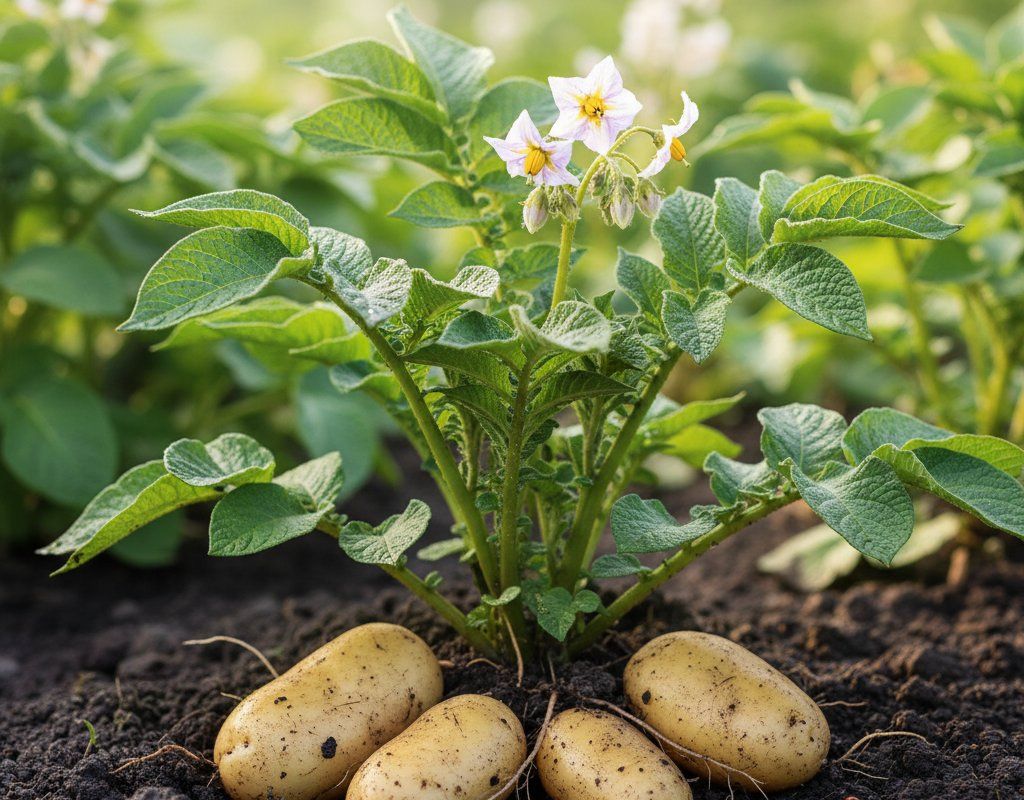
Potato in Zone 8A — Desert Southwest
Solanum tuberosum · Your Complete 2026 Planting Guide
Still Time to Sow!
The sowing window is still open for Potato.
Sow Seeds Soon
Plant seed potatoes directly in the ground. Not grown from true seed.
How to Plant Potato in Zone 8A — Desert Southwest
Here are all your options for getting potato in the ground, from the easiest method to more advanced approaches.
Direct Sow Seeds
RecommendedMid February through mid August
around February 19
Consider succession planting every 2-3 weeks for continuous harvest.
Plant seed potatoes directly in the ground. Not grown from true seed.
Buy Starts
Works WellMid February through mid March
around February 19
Plant purchased starts after last frost (March 5).
Start Seeds Indoors
ChallengingThis plant is typically not started indoors.
Transplant Outdoors
Timing InfoMid February through mid March
around February 19
Can tolerate light frost, but wait for soil to be workable.
Plan to transplant within a few weeks of your target date.
Overview
Here in the Desert Southwest, potatoes offer something special that store-bought varieties can't match – the ability to grow creamy, flavorful spuds perfectly adapted to our unique climate conditions. You get to harvest everything from delicate new potatoes in late spring to storage varieties that cure beautifully in our dry air. Plus, potatoes give you incredible versatility in the kitchen and the satisfaction of digging up buried treasure from your own soil.
Our extreme heat and alkaline soil present challenges, but potatoes are surprisingly well-suited to desert gardening when you time them right. With our 265-day growing season, you have flexibility to plant in early spring for summer harvest or later in the season for fall digging. The key is working around our brutal summer heat and taking advantage of our mild winters.
Transplanting Outdoors
While most gardeners direct-sow potatoes, you can start with transplants if you want an early jump on the season. Plant transplants from mid-February through mid-March, which gives you the perfect window before our extreme heat kicks in. This timing lets your plants establish strong root systems while temperatures are still manageable.
Harden off transplants gradually over a week, starting with just morning sun and working up to full exposure. Our intense Desert Southwest sun can shock plants that aren't properly acclimated. Space transplants 12 inches apart to allow for proper tuber development and air circulation.
Watch for late cold snaps in February and early March – while potatoes can handle light frost, protect young transplants if temperatures threaten to drop below 28°F. A row cover or even old bedsheets work well for short-term protection.
Direct Sowing
Direct sowing seed potatoes is the preferred method here in the Desert Southwest, and you have a surprisingly long window from mid-February through mid-August. For best results, plant your first crop in mid-February through mid-March for early summer harvest, then plant again in late July through mid-August for fall harvest when our weather cools down.
Prepare your soil by working in compost and ensuring good drainage – our caliche layer can create waterlogged conditions that rot seed potatoes quickly. Plant seed potatoes 4 inches deep and 12 inches apart in loose, well-draining soil. The soil temperature should be at least 45°F, which happens reliably by mid-February in our zone.
Cut larger seed potatoes into pieces with at least two eyes each, then let them cure for 24-48 hours before planting. Our low humidity helps prevent rot during this curing period. Hill soil around the plants as they grow to keep developing tubers covered and protected from our intense sun.
Watering Potato in Zone 8A (Desert Southwest)
Potatoes need consistent moisture but not waterlogged conditions – a tricky balance in our arid climate where water either runs off hard-packed soil or pools in clay layers. Aim for about 1-1.5 inches of water per week, adjusting based on our seasonal patterns and whether you're getting any monsoon moisture.
Use the finger test regularly: stick your finger 2 inches into the soil near the plants. If it's dry at that depth, it's time to water deeply. During our extreme summer heat, you'll need to check daily since temperatures over 105°F can quickly stress plants. Water at the base of plants early in the morning to minimize evaporation and avoid getting foliage wet in our low humidity – wet leaves actually make plants more susceptible to problems in dry climates.
Pay special attention during the flowering stage when tubers are forming – this is when even moisture becomes critical. However, reduce watering about two weeks before harvest to prevent tubers from becoming waterlogged, which leads to rot in storage. During monsoon season, you might need to back off supplemental watering entirely if we're getting regular rainfall.
Apply a thin layer of mulch around plants to help retain soil moisture and keep developing tubers from sun exposure, but don't pile it too thick in our climate since it can harbor pests and create humid microclimates that encourage disease.
🧪Fertilizing Potato
Feeding Schedule
Organic Fertilizer Options
Harvest Time
Your first harvest window runs from mid-May through early December, with timing depending on when you planted and whether you want new potatoes or storage potatoes. For new potatoes, start harvesting when plants begin flowering – typically 60-70 days from planting. These thin-skinned beauties are perfect for immediate use and taste incredible fresh from our desert soil.
For storage potatoes, wait until the foliage dies back completely, usually around 90 days from planting. This allows skins to thicken and tubers to reach full maturity. Use a garden fork to carefully dig around plants, starting about a foot away from the main stem to avoid puncturing tubers. Our rocky soil can make digging challenging, so work slowly and methodically.
Cure storage potatoes in a cool, dark place with good air circulation for about 10 days before storing. Our low humidity is actually perfect for this curing process – you won't have the mold issues that plague gardeners in humid climates.
Plan your final harvest before our first frost in late November. While potato plants can handle light frost, hard freezes will damage both foliage and any tubers still in the ground. If an unexpected cold snap threatens, harvest immediately even if tubers aren't fully mature.
Common Problems in Zone 8A (Desert Southwest)
Colorado Potato Beetle These orange-yellow striped beetles and their plump orange larvae can defoliate plants quickly. You'll see them clustered on leaves, especially on new growth, leaving behind chewed foliage and orange egg masses on leaf undersides. Adult beetles are about half an inch long with distinctive black stripes. In our Desert Southwest climate, they're most active during cooler morning hours. Hand-pick adults and larvae off plants, dropping them into soapy water. Check plants daily during peak season since these pests can multiply rapidly. Beneficial insects like ladybugs help with control, but severe infestations may require organic sprays like spinosad.
Late Blight Large, irregularly shaped dark green-gray water-soaked spots appear on leaves, often with white fuzzy growth on undersides during humid conditions. Tubers develop firm brown spots that can rot in storage. This oomycete spreads rapidly in cool, wet weather and can destroy entire plantings within days. While less common in our arid climate, it can appear during monsoon season. Remove and destroy affected plants immediately – bag them rather than composting. Apply copper-based fungicide preventatively if conditions favor disease. Plant resistant varieties and ensure good air circulation between plants.
Scab Rough, corky spots or raised lesions appear on potato skins, making them unsightly though still edible if peeled. This bacterial disease thrives in alkaline soil conditions, which describes much of our Desert Southwest soil perfectly. High soil pH and dry conditions during tuber formation encourage scab development. Lower soil pH by adding sulfur or organic matter like compost. Maintain consistent soil moisture during tuber formation and avoid using fresh manure, which can raise pH further.
Desert Southwest Specific Challenges: Our extreme heat can cause sunscald on exposed tubers, which is why hilling soil around plants becomes even more critical here. The combination of intense UV radiation and temperatures over 105°F can damage foliage quickly, while our alkaline soil creates perfect conditions for scab. Irregular watering patterns – common when relying on monsoon moisture – stress plants and make them more susceptible to all problems.
Best Companions for Potato
Plant these nearby for healthier Potato and better harvests.

Keep Away From

Companion Planting Details
Plant potatoes alongside beans, which fix nitrogen in the soil that potatoes can use later in the season. Corn provides natural shade that helps protect potato foliage from our intense Desert Southwest sun, while brassicas like broccoli and cabbage planted nearby can help confuse potato beetles. Horseradish planted at row ends reportedly repels potato beetles and other pests, plus it thrives in our alkaline soil conditions.
Avoid planting potatoes near tomatoes, peppers, or eggplants since they're all in the nightshade family and share similar pests and diseases. Keep them away from squash and cucumbers, which need different watering schedules and can compete for nutrients. Sunflowers might seem like good tall companions, but they can create too much shade and compete heavily for water – something that's especially problematic in our water-scarce environment.
🌸Best Flowers to Plant with Potato
These flowers protect your Potato from pests and attract pollinators for better harvests.


Get a Reminder When It's Time to Plant
We'll email you when key planting windows open for your zone.