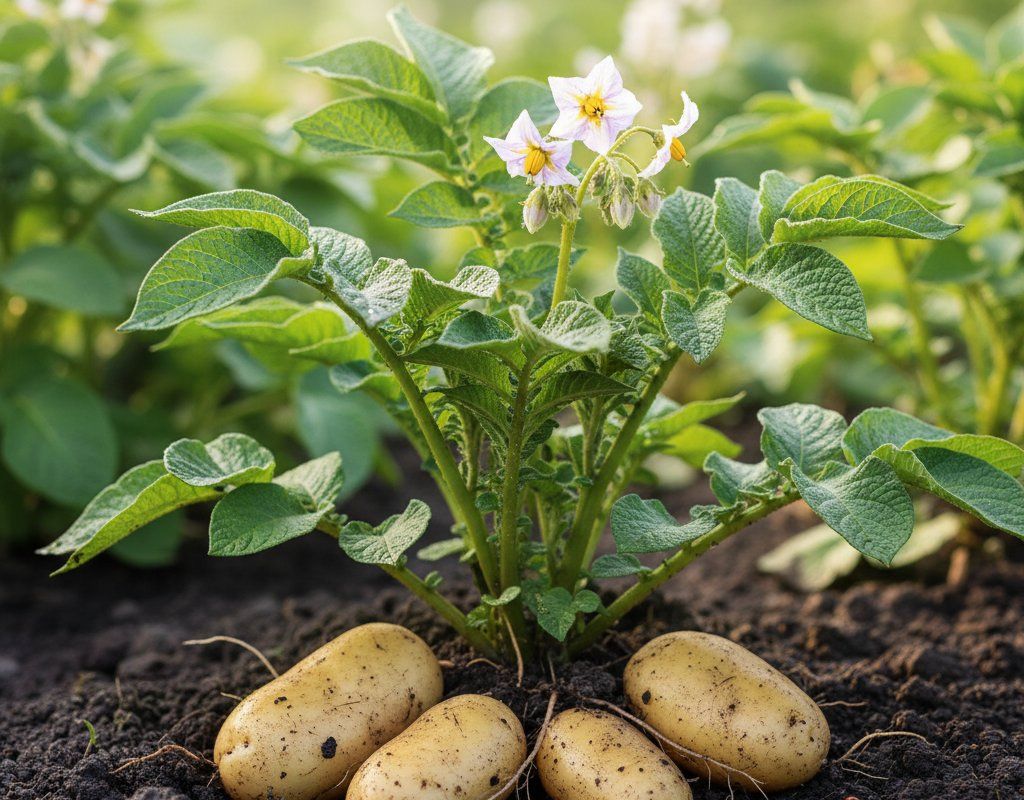
Potato in Zone 8A — Texas
Solanum tuberosum · Your Complete 2026 Planting Guide
Still Time to Sow!
The sowing window is still open for Potato.
Sow Seeds Soon
Plant seed potatoes directly in the ground. Not grown from true seed.
How to Plant Potato in Zone 8A — Texas
Here are all your options for getting potato in the ground, from the easiest method to more advanced approaches.
Direct Sow Seeds
RecommendedMid February through early August
around February 19
Consider succession planting every 2-3 weeks for continuous harvest.
Plant seed potatoes directly in the ground. Not grown from true seed.
Buy Starts
Works WellMid February through mid March
around February 19
Plant purchased starts after last frost (March 5).
Start Seeds Indoors
ChallengingThis plant is typically not started indoors.
Transplant Outdoors
Timing InfoMid February through mid March
around February 19
Can tolerate light frost, but wait for soil to be workable.
Plan to transplant within a few weeks of your target date.
Overview
Potatoes are one of the most rewarding crops you can grow in Zone 8A Texas, offering everything from creamy fingerlings to fluffy russets that put store-bought spuds to shame. With our long growing season and ability to plant twice yearly, you can harvest fresh potatoes from late spring through late fall, giving you months of homegrown goodness that stores beautifully through our mild winters.
Our unpredictable Texas weather can challenge potato growing with sudden temperature swings and extreme summer heat, but timing is everything. With a generous 260-day growing season, you have flexibility to plant early for summer harvest or late for fall storage crops, working around the brutal midsummer heat that can stress these cool-season lovers.
Transplanting Outdoors
While most gardeners plant seed potatoes directly in the ground, you can transplant potato starts from mid-February through mid-March in our zone. This method works well if you're starting with specialty varieties or want precise control over your planting.
Harden off transplants gradually over a week, starting with 2-3 hours of morning sun and building up to full outdoor exposure. Plant them 12 inches apart in prepared beds, setting them slightly deeper than they were growing in their containers.
Watch for late cold snaps during transplant season – even though potatoes can handle light frost, tender transplants need protection if temperatures drop below 28°F. Row covers or even old bedsheets can save your plants during those unpredictable March temperature swings.
Direct Sowing
Plant seed potatoes directly in the ground from mid-February through early August for the best results in Texas. This is the recommended method since potatoes grow from tuber pieces, not true seeds, and they establish quickly when planted directly.
Cut seed potatoes into pieces with at least two eyes each, then let them cure for 24-48 hours before planting. Plant pieces 4 inches deep and 12 inches apart in loose, well-draining soil when ground temperature reaches 45°F. Our clay soils benefit from added compost or aged manure to improve drainage and prevent tubers from becoming misshapen.
For summer planting in July and early August, choose your location carefully. Morning sun with afternoon shade helps protect plants during our brutal Texas heat. Hill soil around emerging plants as they grow to keep developing tubers covered and prevent them from turning green.
Watering Potato in Zone 8A (Texas)
Potatoes need consistent moisture throughout their growing season, requiring about 1-1.5 inches of water weekly from planting through harvest. In our unpredictable Texas climate where rainfall can swing from 15 to 50 inches annually, you'll need to supplement irrigation most years, especially during our typically dry springs and scorching summers.
Water deeply at the base of plants rather than overhead to reduce disease problems in our variable humidity. The finger test works perfectly – stick your finger 2 inches into the soil, and if it's dry, it's time to water. During tuber formation when plants are flowering, maintain even moisture since inconsistent watering causes hollow heart and cracking.
Pay special attention during our extreme summer heat when soil temperatures can exceed 85°F. Mulch heavily with straw or shredded leaves to keep soil cool and retain moisture, but pull mulch away from stems to prevent pest issues. Reduce watering two weeks before harvest to prevent tuber rot, especially important in our clay soils that hold moisture.
Signs of stress include wilting during the hottest part of the day (normal) versus all-day wilting (needs water), and cracked soil around plants indicates underwatering. Yellow, mushy foliage often signals overwatering, particularly dangerous in our flash flood-prone areas where drainage becomes critical.
🧪Fertilizing Potato
Feeding Schedule
Organic Fertilizer Options
Harvest Time
Your first potatoes will be ready from mid-May through late November, depending on planting time and variety. For new potatoes, harvest when plants begin flowering – usually around 60-70 days after planting. These thin-skinned beauties are perfect for immediate eating but won't store long.
For storage potatoes, wait until foliage dies back completely, usually 90-120 days after planting. Dig carefully with a garden fork, staying 6 inches away from the main stem to avoid spearing tubers. Brush off soil but don't wash them until you're ready to use them – moisture leads to rot in storage.
Harvest on dry days when possible, and let freshly dug potatoes cure in a cool, dark, well-ventilated area for 10-14 days. This toughens the skin for longer storage. In Texas, this means finding a spot that stays below 60°F, which can be challenging until our first frost arrives in mid-November.
Time your final harvest before hard freezes hit. While potato plants can handle light frost, a hard freeze will damage both plants and any tubers left in the ground. Our unpredictable fall weather means watching forecasts closely and being ready to harvest quickly when temperatures threaten to drop below 28°F.
Common Problems in Zone 8A (Texas)
Colorado Potato Beetle These orange and black striped beetles and their red larvae can defoliate entire plants within days. Adults overwinter in soil and emerge when temperatures warm in spring, making early detection crucial in our long growing season.
The beetles thrive in our warm Texas springs and can produce multiple generations per season. Hand-pick adults and larvae daily, dropping them into soapy water. Row covers work well early in the season, and beneficial insects like ladybugs help control populations naturally.
Late Blight Large, irregularly shaped dark green-gray water-soaked spots appear on leaves, with white fuzzy growth on undersides during humid periods. This oomycete spreads rapidly in cool, wet weather and can destroy entire plantings within days.
Our variable humidity and unpredictable rainfall create perfect conditions for late blight, especially during spring storms. Remove and destroy affected plants immediately – bag them, never compost. Apply copper-based fungicide preventatively and ensure good air circulation by proper spacing.
Scab Rough, corky patches appear on tuber surfaces, making potatoes unsightly though still edible. This bacterial disease thrives in alkaline soils and dry conditions followed by wet periods.
Our clay soils often run alkaline, creating ideal scab conditions. Lower soil pH to 5.2-5.8 with sulfur amendments and maintain consistent moisture throughout the growing season. Avoid fresh manure, which raises pH and feeds the bacteria.
Texas Specific Challenges Our extreme summer heat stresses potato plants, while unpredictable flash floods can waterlog roots and promote disease. Fire ants often damage tubers underground, and sudden temperature swings can shock plants. Combat these by choosing heat-tolerant varieties, improving drainage, treating fire ant mounds, and using row covers during unexpected cold snaps.
Best Companions for Potato
Plant these nearby for healthier Potato and better harvests.

Keep Away From

Companion Planting Details
Plant beans near your potatoes to fix nitrogen in the soil while their different root depths prevent competition. Corn provides afternoon shade during brutal Texas summers, while brassicas like cabbage and broccoli help deter Colorado potato beetles naturally. Horseradish planted at row ends repels various pests and can remain as a perennial border in our mild winters.
Avoid planting potatoes near tomatoes, as they share many of the same diseases and pests, creating concentrated problems. Squash and cucumber vines can overwhelm potato plants, while sunflowers may compete for nutrients and create too much shade. Keep these crops separated by at least 20 feet to prevent cross-contamination of soil-borne diseases that persist in our warm climate.
🌸Best Flowers to Plant with Potato
These flowers protect your Potato from pests and attract pollinators for better harvests.


Get a Reminder When It's Time to Plant
We'll email you when key planting windows open for your zone.