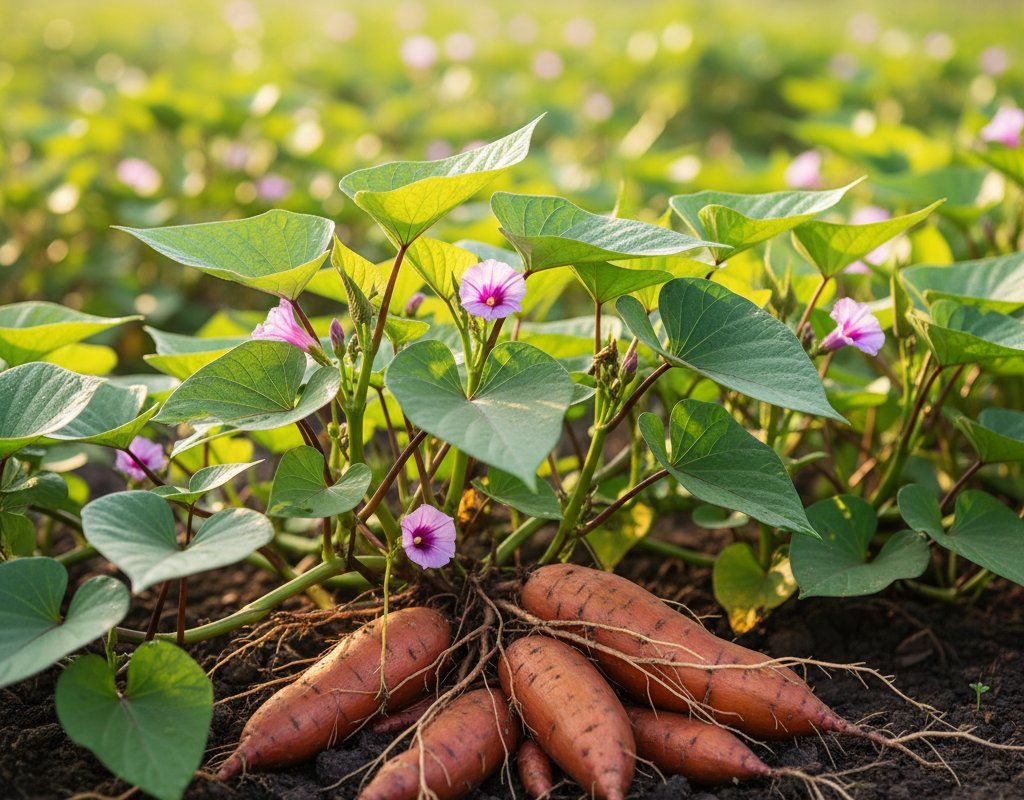
Sweet Potato in Zone 8A — Texas
Ipomoea batatas · Your Complete 2026 Planting Guide
Missed Seed Starting? No Problem!
Wait for starts to become available.
What to Do
Starts will be available at nurseries in 22 days (around March 26).
How to Plant Sweet Potato in Zone 8A — Texas
Here are all your options for getting sweet potato in the ground, from the easiest method to more advanced approaches.
Buy Starts
RecommendedLate March through mid April
around March 26
Plant purchased starts after last frost (March 5).
Plant slips (rooted sprouts) after soil is warm. Buy slips or grow your own from a sweet potato.
Start Seeds Indoors
Works WellLate January through mid February
around January 29
Then transplant: Late March through mid April
Start seeds 8-10 weeks before transplanting outdoors.
Direct Sow Seeds
ChallengingDirect sowing is not typical for Sweet Potato.
Transplant Outdoors
Timing InfoLate March through mid April
around March 26
Wait until nighttime temperatures stay above 50°F.
Plan to transplant within a few weeks of your target date.
Overview
Sweet potatoes thrive in our Texas heat and give you something most store varieties can't match — that deep, complex sweetness that only comes from growing your own. Here in Zone 8A, you get the perfect combination of hot summers and our 260-day growing season to produce those gorgeous orange tubers that'll store for months through winter. Nothing beats pulling your own sweet potatoes from Texas soil, especially when you can grow varieties you'd never find at the grocery store.
The Texas heat that wilts other crops is exactly what sweet potatoes crave, though you'll need to work around our unpredictable spring weather and those potential late freezes. With proper timing and a little patience for soil warmth, you can take advantage of our long growing season to harvest pounds of sweet potatoes before that mid-November frost hits.
Starting Seeds Indoors
Starting sweet potatoes from seed isn't the typical approach — most Texas gardeners work with slips (rooted sprouts) instead. However, if you want to try growing your own slips from a sweet potato, start the process in late January through mid-February, about 8 weeks before you plan to transplant outside.
Place a sweet potato halfway in a jar of water, securing it with toothpicks around the middle. Keep it in a warm spot around 75°F and change the water every few days. Sprouts will emerge from the top half in 2-4 weeks. Once these slips develop roots that are 4-6 inches long, you can carefully twist them off and plant them.
If you're starting actual seeds (which is less common), sow them in seed trays with bottom watering to maintain consistent moisture. Our early spring can be unpredictable, so having that 8-week head start indoors ensures your plants are ready when soil temperatures hit the 65°F they need for successful transplanting.
Transplanting Outdoors
Sweet potato slips go into the ground during late March through mid-April, once soil temperatures stay consistently above 65°F and you're past the risk of late freezes. Our Texas springs can fool you with warm spells followed by sudden cold snaps, so don't rush this timing even if you're eager to get growing.
Harden off your slips gradually over a week, starting with an hour or two of morning sun and building up to full outdoor exposure. Space them 12-18 inches apart in loose, well-draining soil — sweet potatoes need room for those vines to spread and tubers to develop underground. Plant the slips deep, burying about two-thirds of the stem and leaving just the top leaves above ground.
The key in Texas is waiting for consistent soil warmth rather than air temperature. Even if daytime highs hit the 80s, cold soil will stress your slips and slow establishment. A simple soil thermometer takes the guesswork out of timing.
Watering Sweet Potato in Zone 8A (Texas)
Sweet potatoes are surprisingly drought-tolerant once established, making them perfect for our unpredictable Texas rainfall patterns. During the first month after transplanting, keep soil consistently moist but not waterlogged — about 1 inch of water per week through deep, infrequent watering sessions.
Once your vines start spreading (usually by late May), you can back off to watering only when the top 2 inches of soil feel dry to your finger. Our variable humidity and extreme summer heat mean you might need to water weekly during the hottest stretches, but sweet potatoes handle dry spells better than most crops. Water at the base of plants rather than overhead to avoid encouraging fungal issues in our humid conditions.
During those brutal July and August months when temperatures hit 97°F regularly, a thick layer of mulch around your plants helps maintain even soil moisture and keeps roots cool. The real trick is reducing watering 3-4 weeks before harvest time — this concentrates the sugars in your tubers and prevents them from getting waterlogged.
Watch for signs of stress: wilted leaves that don't recover in morning hours suggest underwatering, while yellowing leaves and mushy stems indicate too much moisture. Our flash flood potential means having well-draining soil is crucial for sweet potato success.
🧪Fertilizing Sweet Potato
Feeding Schedule
Organic Fertilizer Options
Harvest Time
Your first sweet potatoes will be ready for digging in early July through mid-August, about 100 days after transplanting. Unlike above-ground crops, you won't see obvious signs of ripeness — the real indicator is simply reaching that 100-day mark or when you dig up a test hill and find tubers that are the size you want.
Start harvesting by carefully digging around the base of the plant with a garden fork, working outward from the main stem. Sweet potato tubers can extend surprisingly far from the plant, and they bruise easily, so take your time. A single plant can produce 3-6 pounds of sweet potatoes if conditions have been good.
Texas gardeners have the advantage of being able to harvest selectively throughout the summer, taking larger tubers while leaving smaller ones to continue growing. Just be gentle when digging and replace the soil around any remaining roots.
As mid-November approaches and first frost threatens, dig up all remaining sweet potatoes regardless of size. Even a light frost will damage the vines and can ruin tubers left in the ground. After digging, cure your sweet potatoes in a warm (80-85°F), humid place for 1-2 weeks — a garage or covered porch works well in our climate. Properly cured sweet potatoes will store for months in a cool, dark place.
Common Problems in Zone 8A (Texas)
Sweet Potato Weevils These small, dark blue-black beetles with long snouts create tunnels through your tubers, leaving behind brown, bitter-tasting damage. You'll notice small holes in the sweet potatoes and dark, winding tunnels when you cut them open. The weevils are particularly problematic in our warm Texas climate where they can have multiple generations per season. Prevent infestations by rotating crops, removing all plant debris after harvest, and avoiding planting sweet potatoes in the same area for at least two years. If you spot adults, remove damaged tubers immediately and consider row covers during the growing season.
Wireworms These yellowish, hard-bodied larvae bore into sweet potato tubers, creating small, dark holes that make your harvest look like it's been shot with tiny bullets. Wireworms are the larvae of click beetles and thrive in our Texas clay soils, especially in areas that were previously lawn or pasture. They're more of a problem during dry spells when they move deeper into soil seeking moisture. Combat wireworms by working the soil well before planting and removing any grass or weedy areas nearby. Beneficial nematodes can help control populations, though they work slowly.
Cracking Sweet potato tubers split open with deep cracks that expose the flesh to rot and make storage impossible. This happens when heavy watering or sudden rainfall follows a dry period — the tubers absorb water faster than their skins can expand. Our unpredictable rainfall patterns and tendency toward drought followed by flash floods make this a common Texas problem. Prevent cracking by maintaining consistent soil moisture through mulching and regular watering schedules rather than letting plants stress between waterings.
Texas Specific Challenges Our extreme summer heat and variable humidity create the perfect storm for pest pressure, while unpredictable rainfall makes consistent watering a challenge. Fire ants can also be attracted to sweet potato hills, though they rarely damage the tubers directly. The key to success in Texas is focusing on soil preparation and consistent care rather than fighting our climate.
Best Companions for Sweet Potato
Plant these nearby for healthier Sweet Potato and better harvests.


Keep Away From
Companion Planting Details
Sweet potatoes work beautifully in the "Three Sisters" combination with beans and corn, though you'll need extra space since sweet potato vines spread widely. The beans fix nitrogen in the soil that sweet potatoes can use later in the season, while corn provides vertical structure that doesn't compete with the spreading vines. Plant corn first, add beans when corn is 6 inches tall, and transplant sweet potato slips around the edges where vines can sprawl without overwhelming other plants.
Avoid planting sweet potatoes near tomatoes or other nightshade family crops, as they can compete for similar nutrients and space. In our Texas heat, both crops need good air circulation, and sweet potato vines can shade and overcrowd tomato plants. Instead, use sweet potatoes as a living mulch around the edges of your garden beds where their vines can spread freely and help suppress weeds while you focus your intensive watering on more demanding crops.
🌸Best Flowers to Plant with Sweet Potato
These flowers protect your Sweet Potato from pests and attract pollinators for better harvests.
For Pest Control




Get a Reminder When It's Time to Plant
We'll email you when key planting windows open for your zone.