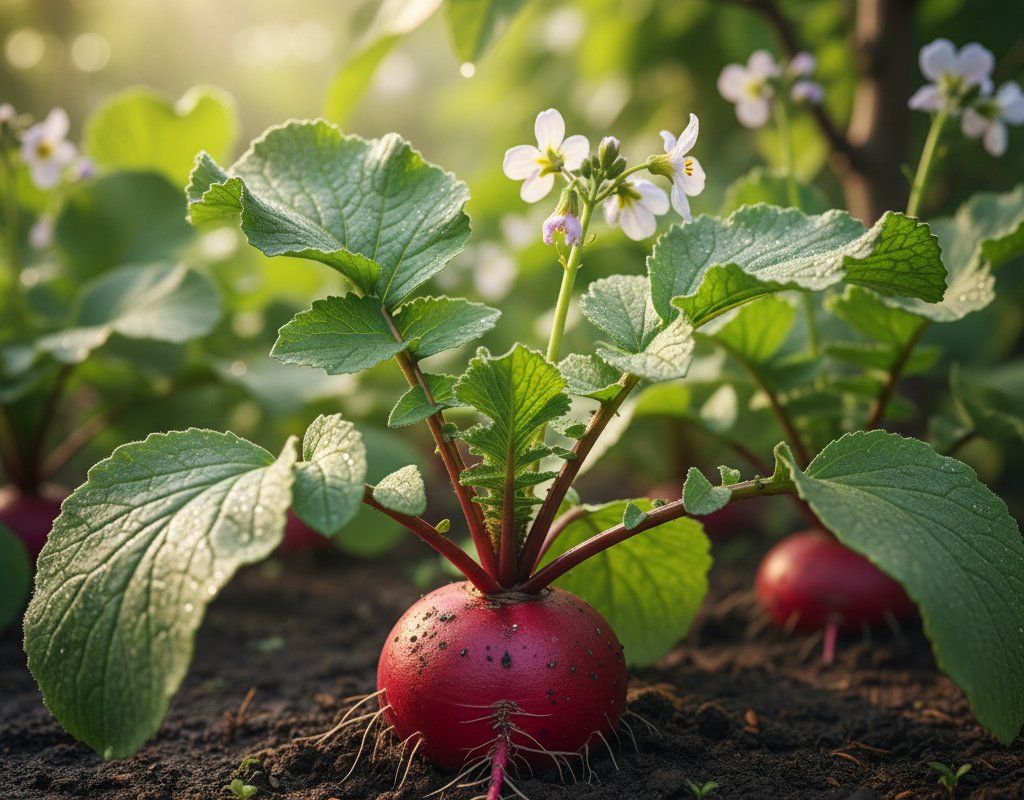
Radish in Zone 8A — Texas
Raphanus sativus · Your Complete 2026 Planting Guide
Harvest Time!
Your Radish should be producing now!
Harvest Tips
Check size by brushing soil away from crown. Pull when ready.
How to Plant Radish in Zone 8A — Texas
Here are all your options for getting radish in the ground, from the easiest method to more advanced approaches.
Direct Sow Seeds
RecommendedEarly February through mid October
around February 5
Consider succession planting every 2-3 weeks for continuous harvest.
Fast-growing and easy. No reason to start indoors.
Buy Starts
Works WellEarly February through mid March
around February 5
Plant purchased starts after last frost (March 5).
Start Seeds Indoors
ChallengingThis plant is typically not started indoors.
Transplant Outdoors
Timing InfoEarly February through mid March
around February 5
Can tolerate light frost, but wait for soil to be workable.
You have a nice window — no need to rush.
Fall Planting
Late September through late October
October 9 ideal · Direct sow for fall harvest
Plant a second crop in mid-summer for fall harvest. Radish actually prefers the cooling temperatures of fall.
Overview
Radishes are the perfect confidence-builder for Texas gardeners, delivering crisp, peppery satisfaction in just 25 days from seed to table. In our 260-day growing season, you can succession plant these fast growers almost continuously from early February through mid-October, making them ideal for filling gaps between larger crops or getting quick results when the gardening bug hits.
The secret to success with radishes in Texas lies in timing and consistent moisture. While our unpredictable weather and brutal summer heat can stress many crops, radishes are so quick-growing that you can dodge the worst conditions by planning your sowings carefully around our extreme seasons.
Transplanting Outdoors
Transplanting radishes goes against their nature as a root crop, but if you've started seeds indoors for an extra-early harvest, you can transplant them outdoors from early February through mid-March. Handle the seedlings very carefully since any root damage will result in deformed, woody roots.
Start hardening off your seedlings about a week before transplanting by gradually exposing them to outdoor conditions. Space transplants 2-4 inches apart in rows or scatter them in wider beds. The wider spacing gives you larger radishes but fewer per square foot.
Keep a close eye on our unpredictable February and March weather patterns. Those warm spells followed by sudden cold snaps can stress young transplants, so have row covers ready when temperatures threaten to drop below freezing.
Direct Sowing
Direct sowing is absolutely the way to grow radishes in Texas - it's faster, easier, and gives you better results than transplanting. You can sow seeds directly in the garden from early February through mid-October, though you'll want to avoid the brutal summer months of July and August unless you're providing afternoon shade.
Prepare your soil by working in compost or aged manure, ensuring good drainage since waterlogged soil causes split roots. Radish seeds will germinate in soil as cool as 40°F, but they prefer temperatures between 50-65°F for the best growth. Plant seeds about half an inch deep and 2-4 inches apart - closer spacing gives you smaller, more tender radishes.
The beauty of radishes is their speed - you'll see sprouts in just 3-5 days in warm weather. For continuous harvests, sow new rows every 10-14 days during the cooler months. In Texas, this means heavy spring and fall sowings with a summer break when the heat would make them too fiery and tough.
Watering Radish in Zone 8A (Texas)
Consistent moisture is absolutely critical for radishes in Texas - these fast growers need steady water to develop crisp, mild roots instead of woody, fiery disappointments. With our unpredictable rainfall patterns that can swing from drought to flood, you'll need to stay on top of irrigation throughout their short 25-day growing cycle.
Water radishes deeply 2-3 times per week during cooler months, providing about an inch of water weekly including rainfall. In our variable humidity and hot conditions, check soil moisture with the finger test - stick your finger 2 inches deep and water when the soil feels dry at that level. During spring and fall growing seasons, early morning watering works best to reduce evaporation.
Summer radish sowings need daily attention since our extreme heat quickly dries out soil and stresses these shallow-rooted crops. If you're brave enough to grow summer radishes, provide afternoon shade and consider mulching lightly to retain moisture without creating fire ant habitat. Water at the base rather than overhead to prevent leaf diseases in our variable humidity.
Watch for signs of water stress: leaves wilting during heat, slow growth, or roots that taste excessively hot and peppery. Inconsistent watering - wet then dry cycles - causes split roots and woody texture. Better to water regularly and moderately than to let them dry out completely between waterings.
🧪Fertilizing Radish
Feeding Schedule
Organic Fertilizer Options
Harvest Time
Your first radishes will be ready for harvest from early March through late November, depending on your sowing dates. Most spring radishes mature in about 25 days from seeding, while fall crops may take 30-35 days due to shorter days and cooler temperatures.
Watch for the radish shoulders pushing up above the soil surface - this is your cue that they're ready to pull. Spring types are perfect when they reach about 1 inch in diameter, though you can harvest them smaller for milder flavor. Pull them promptly once they reach size because radishes left in the ground too long become woody, pithy, and increasingly hot.
Harvest in the morning when roots are crisp and full of moisture. Simply grab the leaves close to the base and pull straight up - healthy radishes should come out of well-prepared soil easily. If you meet resistance, loosen the soil around them with a hand fork first.
As our first frost approaches in mid-November, harvest all remaining radishes regardless of size. Unlike some root crops, radishes won't tolerate freezing and become mushy and inedible once hit by frost. The good news is that with proper succession planting, you should have enjoyed multiple harvests throughout the fall by this point.
Common Problems in Zone 8A (Texas)
Flea Beetles You'll recognize flea beetle damage by the tiny round holes scattered across radish leaves, creating a shot-hole pattern that looks like someone peppered the foliage with a BB gun. These small, dark beetles jump like fleas when you disturb the plants, hence their name. Young seedlings suffer the most damage and may struggle to establish if the beetle population is heavy.
Hot, dry Texas weather tends to worsen flea beetle problems, especially during our unpredictable spring weather when populations build up before beneficial insects establish. Use row covers to protect seedlings during their most vulnerable first two weeks. You can also delay planting until soil warms up since larger plants better tolerate the damage. Kaolin clay spray creates a barrier that deters feeding.
Root Maggots Root maggots appear as white, legless larvae tunneling through radish roots, creating brown, corky scars and channels that make the roots inedible. You'll often see the damage only at harvest when you discover ruined roots with dark tunnels throughout. The adult flies lay eggs near the base of plants in early spring.
These pests thrive in cool, moist conditions and are worst during our unpredictable spring weather patterns. Practice crop rotation and avoid planting radishes in the same spot where you grew brassicas the previous season. Row covers during the critical egg-laying period in early spring provide excellent prevention. Remove and destroy affected roots immediately.
Pithy Roots Pithy radishes feel spongy rather than crisp and often taste woody or overly hot. The roots develop a cotton-like texture in the center instead of solid, crisp flesh. This problem shows up as white, dry-looking tissue when you cut the radish open.
Texas heat and inconsistent watering are the primary culprits for pithy roots. When radishes experience drought stress or are left in the ground too long during hot weather, they become tough and lose their crisp texture. Plant during cooler months, maintain consistent soil moisture, and harvest promptly when radishes reach maturity - don't leave them hoping they'll get bigger.
Texas Specific Challenges: Our hot-to-extreme summer heat and unpredictable rainfall create perfect conditions for stressed radishes that turn fiery hot and woody. The key is working with our climate by timing sowings for cooler weather and maintaining consistent moisture during our variable humidity conditions.
Best Companions for Radish
Plant these nearby for healthier Radish and better harvests.


Keep Away From
Companion Planting Details
Radishes make excellent companions for carrots because they germinate quickly and mark the rows while the slower carrots are still sprouting - plus they'll be harvested before the carrots need the space. Plant them with lettuce and other cool-season greens since they share similar growing conditions and the radishes will be out of the way before the greens need full space. Peas and radishes work well together since peas fix nitrogen in the soil and provide light shade during our intense spring sun.
Avoid planting radishes near hyssop, which can inhibit their growth and affect flavor development. The aromatic compounds from hyssop seem to stress brassica family plants like radishes, leading to slower growth and sometimes bitter-tasting roots. In Texas gardens where space is often at a premium, stick with proven companion combinations that make the most of your growing season.
🌸Best Flowers to Plant with Radish
These flowers protect your Radish from pests and attract pollinators for better harvests.



Get a Reminder When It's Time to Plant
We'll email you when key planting windows open for your zone.