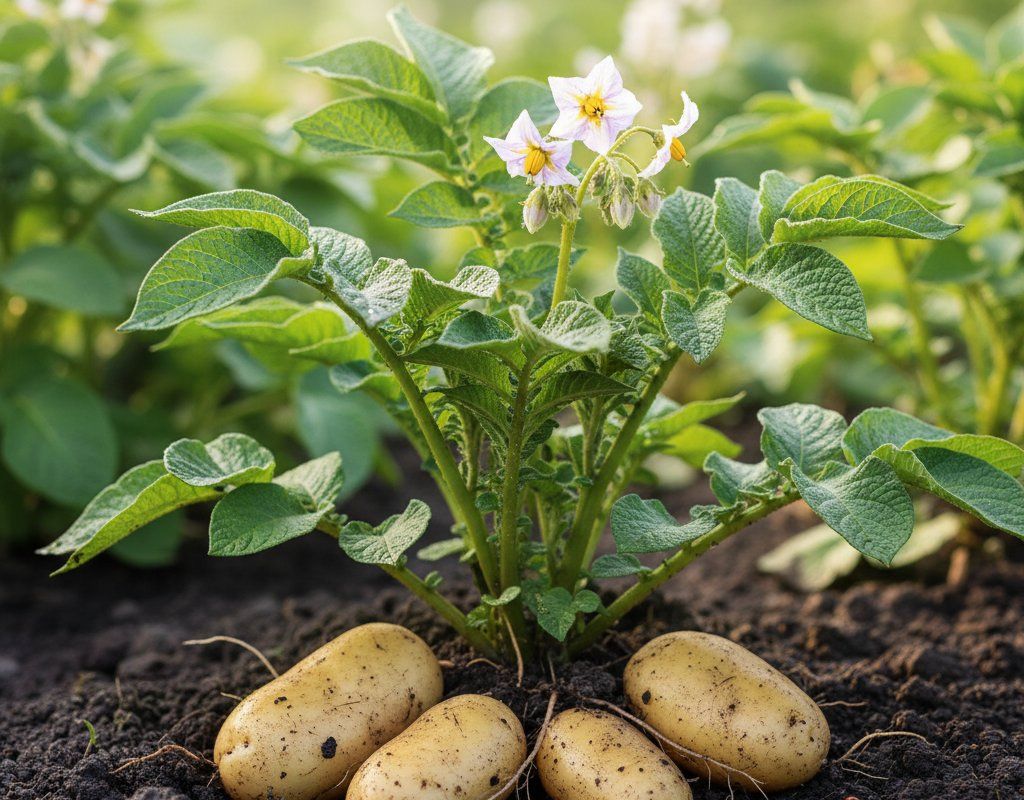
Potato in Zone 9A — Texas
Solanum tuberosum · Your Complete 2026 Planting Guide
Still Time to Sow!
The sowing window is still open for Potato.
Sow Seeds Soon
Plant seed potatoes directly in the ground. Not grown from true seed.
How to Plant Potato in Zone 9A — Texas
Here are all your options for getting potato in the ground, from the easiest method to more advanced approaches.
Direct Sow Seeds
RecommendedEarly February through late August
around February 1
Consider succession planting every 2-3 weeks for continuous harvest.
Plant seed potatoes directly in the ground. Not grown from true seed.
Buy Starts
Works WellEarly to late February
around February 1
Plant purchased starts after last frost (February 15).
Start Seeds Indoors
ChallengingThis plant is typically not started indoors.
Transplant Outdoors
Timing InfoEarly to late February
around February 1
Can tolerate light frost, but wait for soil to be workable.
Plan to transplant within a few weeks of your target date.
Overview
Potatoes are one of the most rewarding crops you can grow in Zone 9A Texas. With our long 293-day growing season, you can plant early in February and harvest continuously through fall, giving you months of fresh, creamy new potatoes that put store-bought varieties to shame. Texas-grown potatoes develop incredible flavor when harvested young, and you'll have complete control over varieties – from fingerlings to russets that thrive in our clay soils.
Our unpredictable Texas weather and intense summer heat can challenge potato growing, but timing is everything. Plant during our mild winter months and you'll harvest before the brutal summer heat sets in, or plant again in late summer for a fall crop. The key is working with our climate patterns rather than against them.
Transplanting Outdoors
While potatoes are typically grown from seed potatoes rather than transplants, you can start seed potatoes indoors in containers during late January if you want to get a jump on the season. This works especially well when you're dealing with unpredictable February weather in Texas.
If you've pre-sprouted your seed potatoes indoors, transplant them outside from early to late February. Harden them off gradually over a week, bringing them outside for longer periods each day. Our February weather can swing from 70°F to freezing overnight, so watch the forecast carefully.
Space your transplanted potatoes 12 inches apart in rows, planting them 4 inches deep in well-prepared soil. Cover lightly and be ready to protect them with row covers or even old blankets if an unexpected late freeze threatens – we've all learned not to trust February weather completely in Texas.
Direct Sowing
Direct sowing seed potatoes is the recommended method in Texas, and you have flexibility with timing from early February through late August. For spring planting, wait until soil temperatures reach 45°F consistently – usually mid to late February in our area. For fall crops, plant in late August when the worst heat begins to break.
Prepare your soil by working in 2-3 inches of compost to improve drainage, especially important in our heavy clay soils. Cut seed potatoes into pieces with 2-3 eyes each, letting them cure for 24 hours to prevent rot. Plant pieces 4 inches deep and 12 inches apart, eyes facing up.
The beauty of our Texas climate is this extended planting window. Spring plantings give you new potatoes before summer heat hits, while late summer plantings produce storage potatoes through fall and into early winter. Both timing strategies help you avoid the stress of growing potatoes through July and August heat.
Watering Potato in Zone 9A (Texas)
Potatoes need consistent moisture but hate soggy soil, making watering management crucial in our unpredictable Texas rainfall patterns. During spring growing season, provide about 1 inch of water weekly if we're not getting adequate rain. Our variable humidity and sudden downpours can complicate this – you might water Tuesday and get 3 inches of rain Wednesday.
Use the finger test regularly: stick your finger 2 inches into the soil near your plants. If it's dry at that depth, it's time to water. During the critical tuber formation period (when plants flower), maintain even moisture levels – inconsistent watering during this stage leads to cracked, misshapen potatoes.
Water at soil level rather than overhead, especially during our humid spells when foliar diseases spread rapidly. A soaker hose or drip irrigation works perfectly for potatoes. Apply a 2-3 inch layer of mulch around plants to conserve moisture during hot spells and regulate soil temperature.
Two weeks before harvest, reduce watering significantly. Wet soil at harvest time causes tubers to rot quickly in storage. If we get heavy rains right before harvest, wait a few days for soil to dry out before digging – your patience will pay off with better storage quality.
🧪Fertilizing Potato
Feeding Schedule
Organic Fertilizer Options
Harvest Time
Your first new potatoes will be ready in early May for spring plantings, about 70-80 days after planting. You'll know it's time when plants begin flowering – carefully dig around the base of plants to harvest golf ball-sized new potatoes without disturbing the main plant. These thin-skinned beauties are perfect for roasting whole or adding to summer salads.
For storage potatoes, wait until foliage dies back completely, usually 90-110 days after planting. The dying foliage signals that tubers have reached full size and skin has toughened for storage. Don't be tempted to harvest early – those extra weeks make a huge difference in storage life.
Harvest on a dry day when soil isn't muddy from recent rains. Dig carefully with a fork, starting 12 inches from the plant base to avoid spearing tubers. Brush off soil but don't wash them – wet potatoes rot quickly in our Texas heat and humidity.
With December being our typical first frost date, fall plantings give you plenty of time to mature. Harvest before that first hard freeze, cure potatoes in a cool, dark place for 1-2 weeks, then store in ventilated boxes. Properly cured Texas-grown potatoes can last through winter if kept cool and dry.
Common Problems in Zone 9A (Texas)
Colorado Potato Beetle These orange and black striped beetles and their orange larvae can defoliate plants quickly. Adults emerge in spring just as your plants get established, and they multiply rapidly in our warm Texas springs. You'll see them clustered on leaves, with larvae doing most of the damage.
Colorado potato beetles overwinter in garden debris and emerge when soil warms – perfectly timed to attack your spring potato crop. Hand-picking works for small plantings, dropping beetles into soapy water. For larger areas, apply Bt (Bacillus thuringiensis tenebrionis) or spinosad early in the season before populations explode.
Late Blight This devastating disease shows up as large, dark green-gray water-soaked spots on leaves, with white fuzzy growth on undersides during humid weather. Tubers develop firm brown spots that ruin storage quality. Late blight spreads incredibly fast during cool, wet periods – it can destroy entire plantings in just days.
Late blight thrives in our variable spring humidity and sudden temperature swings. Remove and bag (don't compost) affected plants immediately when you spot symptoms. Apply copper-based fungicides preventatively during humid periods, ensure good air circulation between plants, and avoid overhead watering especially during cloudy, humid spells common in Texas springs.
Common Scab This bacterial disease creates rough, corky patches on potato skins, making them unsightly though still edible. Scab shows up as circular, raised brown lesions that feel rough to the touch. While it doesn't kill plants, it ruins the appearance and storage quality of your harvest.
Scab develops in alkaline, dry soils – common in many Texas gardens where clay soils tend toward higher pH. Maintain soil pH between 5.0-6.5 by adding sulfur or organic matter. Keep soil consistently moist during tuber formation, as scab spreads rapidly in dry conditions followed by sudden moisture.
Texas Specific Challenges Our extreme summer heat limits growing windows, while flash floods can waterlog plants and promote rot. Fire ants love the disturbed soil around potato plants and will defend their territory aggressively during harvest. Plant early spring or late summer to avoid peak heat, and keep ant bait stations around your potato patch to reduce problems during harvest time.
Best Companions for Potato
Plant these nearby for healthier Potato and better harvests.

Keep Away From

Companion Planting Details
Beans make excellent companions for potatoes in Texas gardens because they fix nitrogen that potatoes use heavily, while their different root depths prevent competition. Corn provides beneficial shade during late spring heat, and the "three sisters" combination of corn, beans, and potatoes works well in our climate. Plant horseradish at row ends – it repels Colorado potato beetles and other pests naturally.
Avoid planting potatoes near tomatoes, as they're in the same family and share diseases like late blight that spread rapidly in our humid conditions. Keep potatoes away from squash and cucumbers, which compete for water and nutrients while attracting similar pests. Sunflowers are allelopathic to potatoes, inhibiting their growth, so maintain good distance between these crops in your Texas garden layout.
🌸Best Flowers to Plant with Potato
These flowers protect your Potato from pests and attract pollinators for better harvests.


Get a Reminder When It's Time to Plant
We'll email you when key planting windows open for your zone.