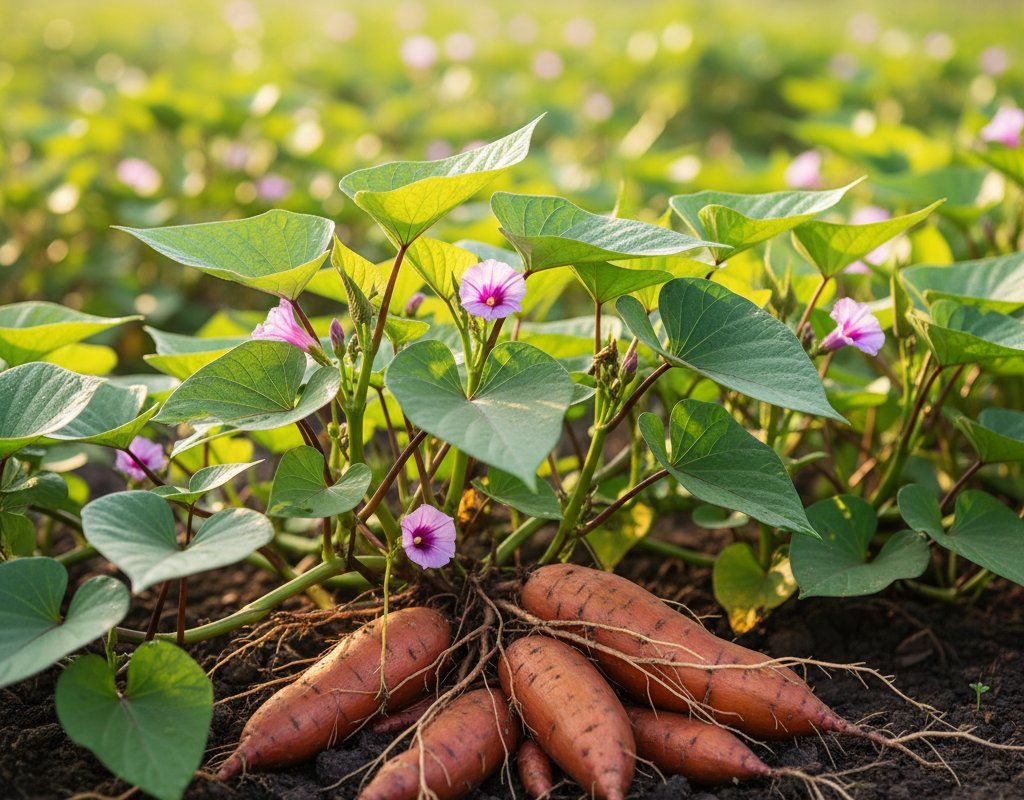
Sweet Potato in Zone 9A — Texas
Ipomoea batatas · Your Complete 2026 Planting Guide
Missed Seed Starting? No Problem!
Wait for starts to become available.
What to Do
Starts will be available at nurseries in 4 days (around March 8).
How to Plant Sweet Potato in Zone 9A — Texas
Here are all your options for getting sweet potato in the ground, from the easiest method to more advanced approaches.
Buy Starts
RecommendedEarly to late March
around March 8
Plant purchased starts after last frost (February 15).
Plant slips (rooted sprouts) after soil is warm. Buy slips or grow your own from a sweet potato.
Start Seeds Indoors
Works WellEarly to late January
around January 11
Then transplant: Early to late March
Start seeds 8-10 weeks before transplanting outdoors.
Direct Sow Seeds
ChallengingDirect sowing is not typical for Sweet Potato.
Transplant Outdoors
Timing InfoEarly to late March
around March 8
Wait until nighttime temperatures stay above 50°F.
Plan to transplant within a few weeks of your target date.
Overview
Sweet potatoes thrive in our Texas heat like few other crops can, turning our long, scorching summers into an advantage. With 293 days of growing season, you can grow impressive harvests of these nutritious, versatile tubers that store beautifully through our mild winters. The vines also make excellent ground cover, helping suppress weeds while their deep roots find moisture even during dry spells.
While Texas weather can throw curveballs with late cold snaps or sudden heat waves, sweet potatoes are remarkably forgiving once established. Their drought tolerance makes them perfect for our unpredictable rainfall patterns, and the long growing season means you have plenty of time to work with nature's timing rather than against it.
Starting Seeds Indoors
Starting sweet potatoes from true seeds indoors isn't the typical approach most Texas gardeners take, but it can work if you're looking for new varieties or want the satisfaction of growing from scratch. Start seeds in early to late January, about 8 weeks before your transplant window in March. You'll need consistent warmth (around 80°F) and good grow lights, since our winter days are still relatively short.
Use bottom watering to keep the soil consistently moist without creating fungal problems. The seedlings will be quite small and tender compared to the robust slips most gardeners use. Given our early spring weather patterns, you're often better off buying slips or growing your own from stored tubers.
Most experienced Texas gardeners skip seed starting entirely and either purchase slips in March or create their own by placing sweet potatoes in warm, humid conditions to sprout in late winter.
Transplanting Outdoors
Transplant your sweet potato slips outdoors anytime from early to late March, once soil temperatures consistently stay above 60°F and nighttime lows stay above 50°F. In Texas, this timing usually coincides with our spring warm-up, but watch for those unexpected cold fronts that can still sneak through in March.
Harden off your slips gradually over a week, starting with just a few hours of morning sun and building up to full exposure. Plant them 12 to 18 inches apart in loose, well-draining soil. Sweet potatoes need room to spread their vines, so don't crowd them even if space seems generous at first.
Plant slips deep, burying about two-thirds of the stem to encourage strong root development. The Texas sun can be intense even in March, so consider providing some afternoon shade for the first week after transplanting until they establish.
Watering Sweet Potato in Zone 9A (Texas)
Sweet potatoes need moderate water to get established but become surprisingly drought-tolerant once their roots spread deep into the soil. During their first month after transplanting, keep the soil consistently moist but not soggy – check by sticking your finger 2 inches down into the soil.
Once established by late April, sweet potatoes can handle our Texas heat with about 1 inch of water per week, including rainfall. Water deeply at the base rather than overhead watering, which can promote fungal issues in our variable humidity. During July and August when temperatures soar past 95°F regularly, you might need to increase watering slightly if you see wilting in the afternoon heat.
The key is consistency rather than frequency. Sweet potatoes prefer steady, moderate moisture over cycles of drought and flooding. A 3-inch layer of mulch helps maintain even soil moisture during our unpredictable weather patterns.
About 3 to 4 weeks before harvest time, start reducing water to help the tubers cure naturally in the ground. Too much water late in the season can cause the sweet potatoes to crack or develop a watery texture.
🧪Fertilizing Sweet Potato
Feeding Schedule
Organic Fertilizer Options
Harvest Time
Your first sweet potatoes will be ready for harvest from mid-June through late July, about 100 days after transplanting. Unlike regular potatoes, sweet potatoes don't give you obvious above-ground signals when they're ready – you'll need to do some detective work by carefully digging around the base of a few plants to check size.
Harvest sweet potatoes before our first frost in early December, even if they seem like they could grow larger. Use a digging fork rather than a shovel to avoid puncturing the tubers, and work from the outside of the plant inward. The vines can spread several feet, so you might find sweet potatoes farther from the main plant than you expect.
Handle fresh sweet potatoes gently since their skins bruise easily when first dug. Brush off excess soil but don't wash them yet. Cure them in a warm (80-85°F), humid location for 1 to 2 weeks to toughen the skin and concentrate the sugars. A covered porch or garage works well in Texas during fall weather.
After curing, store sweet potatoes in a cool, dry place around 55-60°F. Properly cured and stored sweet potatoes can last through winter, giving you homegrown nutrition long after the growing season ends.
Common Problems in Zone 9A (Texas)
Sweet Potato Weevils These small, dark beetles create holes in your sweet potato tubers and can destroy an entire harvest. You'll notice small round holes in the sweet potatoes when you dig them, often with tunnels throughout the flesh. Adult weevils are about 1/4 inch long with a distinctive snout. The larvae tunnel through the tubers, making them inedible. Crop rotation is essential – don't plant sweet potatoes in the same spot for at least 3 years. Remove all sweet potato debris after harvest, as weevils overwinter in plant material and soil.
Wireworms These thin, yellowish larvae tunnel into sweet potato tubers, creating small holes that can lead to rot during storage. You'll find the damage when you harvest – small, perfectly round holes about the size of a pencil lead. Wireworms thrive in soil that's been in grass or weeds, which is common in Texas yards converted to gardens. Work the soil well before planting and consider solarization during our hot summer months to reduce populations. Avoid planting sweet potatoes immediately after breaking up lawn areas.
Cracking Sweet potato tubers split open with visible cracks in the skin, exposing the orange flesh underneath. This happens when heavy watering or sudden rainfall follows a dry period, causing the tubers to absorb water faster than the skin can expand. Our unpredictable Texas weather patterns – from drought to flash floods – make this especially common here. Maintain consistent soil moisture with mulch and regular deep watering rather than letting the soil dry out completely between waterings.
Texas Specific Challenges Our extreme heat combined with unpredictable rainfall creates the perfect storm for sweet potato stress. Fire ants love to build colonies around sweet potato plants, and while they don't directly damage the tubers, their mounds can make harvesting difficult and painful. The intense UV exposure during our 100°F+ summer days can sometimes cause leaf scorch even on this heat-tolerant crop, especially if plants become water-stressed.
Best Companions for Sweet Potato
Plant these nearby for healthier Sweet Potato and better harvests.


Keep Away From
Companion Planting Details
Sweet potatoes pair beautifully with beans, corn, and squash in Texas gardens, creating a modified Three Sisters planting that works well in our climate. Beans fix nitrogen in the soil while sweet potato vines help suppress weeds and retain soil moisture during our hot, dry spells. Corn provides some afternoon shade for the sweet potato vines during the most intense summer heat, while the sweet potato ground cover helps keep corn roots cool.
Avoid planting sweet potatoes near other root crops like regular potatoes or onions, since they compete for the same soil space and nutrients. The sprawling vines can also overwhelm smaller plants, so give them plenty of room to spread or plant them on the edges of your garden beds where they can trail without smothering neighbors.
🌸Best Flowers to Plant with Sweet Potato
These flowers protect your Sweet Potato from pests and attract pollinators for better harvests.
For Pest Control




Get a Reminder When It's Time to Plant
We'll email you when key planting windows open for your zone.