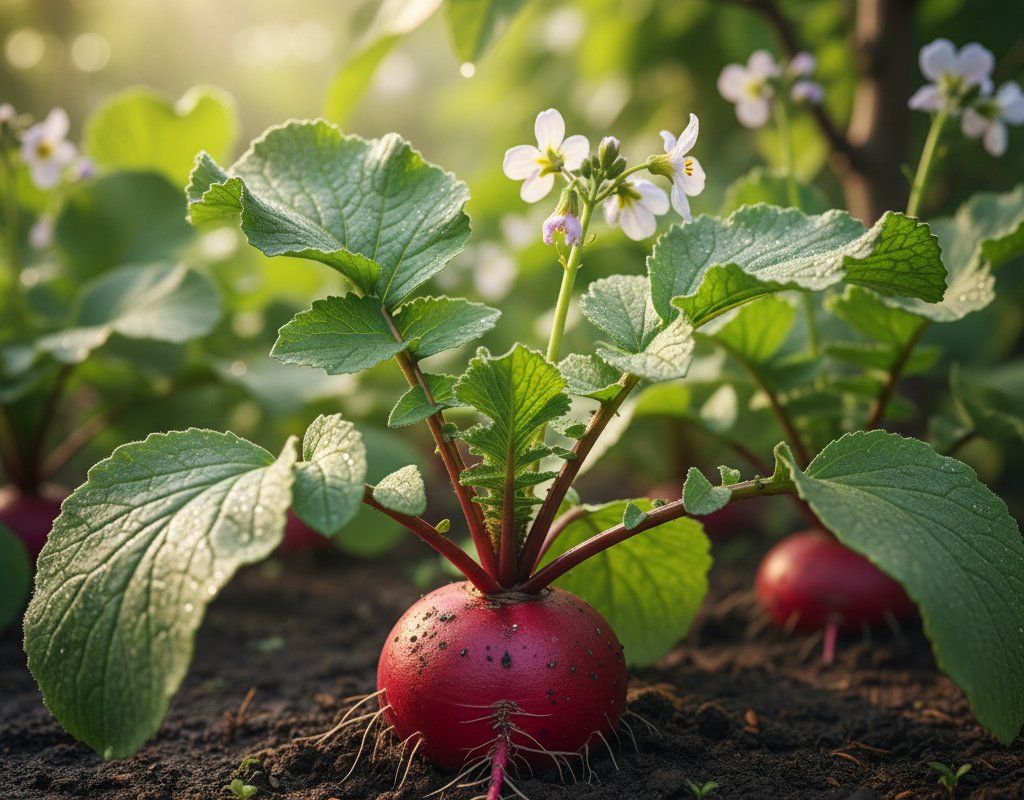
Radish in Zone 9A — Texas
Raphanus sativus · Your Complete 2026 Planting Guide
Harvest Time!
Your Radish should be producing now!
Harvest Tips
Check size by brushing soil away from crown. Pull when ready.
How to Plant Radish in Zone 9A — Texas
Here are all your options for getting radish in the ground, from the easiest method to more advanced approaches.
Direct Sow Seeds
RecommendedMid January through late October
around January 18
Consider succession planting every 2-3 weeks for continuous harvest.
Fast-growing and easy. No reason to start indoors.
Buy Starts
Works WellMid January through early March
around January 18
Plant purchased starts after last frost (February 15).
Start Seeds Indoors
ChallengingThis plant is typically not started indoors.
Transplant Outdoors
Timing InfoMid January through early March
around January 18
Can tolerate light frost, but wait for soil to be workable.
You have a nice window — no need to rush.
Fall Planting
Early October through early November
October 24 ideal · Direct sow for fall harvest
Plant a second crop in mid-summer for fall harvest. Radish actually prefers the cooling temperatures of fall.
Overview
Radishes are the perfect gateway crop for Texas gardeners looking for quick satisfaction in our long but challenging growing season. These crisp, peppery roots mature in just 25 days, making them ideal for filling gaps between longer crops or introducing kids to gardening success. In our Texas heat, you'll discover that radishes grown in cooler weather have the best flavor — mild and crisp rather than fiery hot.
With our 293-day growing season, you have the luxury of multiple radish plantings from late winter through fall. The key is working around our brutal summer heat and unpredictable weather patterns. Time your sowings for cooler periods, and you'll have fresh radishes on your table for most of the year.
Transplanting Outdoors
While radishes can be transplanted, it's rarely necessary given their lightning-fast growth. If you choose to transplant, start seeds indoors in late January through early February and move them outside from mid-January through early March. Space transplants 2-4 inches apart in rows or scattered throughout your beds.
Before transplanting outdoors, harden off your seedlings gradually over a week. Start with a few hours of morning sun, then increase exposure daily. Our unpredictable Texas weather can swing from mild to freezing overnight in winter, so watch the forecast and protect young transplants during cold snaps.
The main advantage of transplanting is getting a head start on the season, but since radishes mature so quickly anyway, most Texas gardeners skip this step entirely and direct sow instead.
Direct Sowing
Direct sowing is the recommended method for radishes in Texas — it's foolproof and avoids any transplant shock. Sow seeds from mid-January through late October, skipping the hottest months of July and August when radishes become woody and bitter. Plant seeds ½ inch deep in loose, well-draining soil, spacing them 2-4 inches apart.
Your soil should be at least 40°F for germination, which happens easily in our mild Texas winters. Work compost into the planting area and ensure good drainage — radishes hate sitting in wet soil. In heavy clay soils common in parts of Texas, consider raising beds or adding sand and organic matter to improve soil structure.
The beauty of radishes is their speed and simplicity. Scatter seeds in any available garden space, cover lightly, and keep moist. They'll be ready to harvest before you know it, making them perfect for succession planting every 2-3 weeks during cool weather periods.
Watering Radish in Zone 9A (Texas)
Consistent moisture is absolutely critical for growing crisp, mild radishes in our Texas climate. These fast-growing roots need steady water throughout their brief 25-day journey from seed to harvest. When stressed by drought, radishes become woody, pithy, and fiery hot — the opposite of what you want at the dinner table.
Water deeply 2-3 times per week rather than daily light sprinklings, providing about 1 inch of water weekly. Use the finger test: stick your finger 2 inches into the soil, and if it's dry, it's time to water. In our variable Texas humidity and unpredictable rainfall patterns, you'll need to adjust based on recent precipitation and current weather conditions.
Water at the base of plants rather than overhead to reduce disease pressure, especially during our humid periods. Drip irrigation or soaker hoses work beautifully for radish beds. During the hottest months when you can grow radishes (early fall), you may need to water daily to prevent stress.
Apply a thin layer of mulch around plants to retain moisture and keep soil temperatures more consistent. In Texas, this is especially important during temperature swings and our notorious drought periods that can hit any time of year.
🧪Fertilizing Radish
Feeding Schedule
Organic Fertilizer Options
Harvest Time
Your first radish harvest will be ready mid-February through mid-December, depending on when you planted. Most varieties are ready in just 25 days from sowing, though cooler weather may extend this slightly. Watch for the radish shoulders pushing up above the soil surface — this is your cue that they're sizing up nicely.
Pull radishes when they reach about 1 inch in diameter for spring types, though some cherry varieties are best at ¾ inch. Gently brush away soil to check size before harvesting. The roots should feel firm and heavy for their size. Don't leave them in the ground too long, as they quickly become woody and develop an unpleasant pithy texture.
Harvest by grasping the leaves close to the soil and pulling straight up with a gentle twisting motion. If your soil is compacted, use a garden fork to loosen the area first. Radishes don't continue to ripen once pulled, so timing is everything.
As our first frost approaches in early December, harvest all remaining radishes regardless of size. They won't survive freezing temperatures, and the quality deteriorates rapidly once damaged by cold.
Common Problems in Zone 9A (Texas)
Flea Beetles Small round holes scattered across radish leaves like someone took a tiny shotgun to them indicate flea beetles. These small, dark beetles jump when you disturb the plants, especially during the morning hours. Young seedlings suffer the most damage and can be completely defoliated if the infestation is severe.
These tiny jumping beetles thrive in our Texas heat and are most problematic on young brassicas like radishes. They overwinter in garden debris and emerge when temperatures warm up. Row covers are your best defense during the vulnerable seedling stage, or try delaying planting until plants can grow larger before pest pressure peaks. Kaolin clay coating and interplanting with basil can also help deter them.
Root Maggots Stunted, yellowing plants that seem to wilt despite adequate water often have root maggots. Pull up an affected plant and you'll find small white maggots tunneling through the radish root, leaving brown scarred channels. The radishes become inedible and plants eventually die.
These pests are the larvae of small flies that lay eggs near the base of brassica plants. Our mild Texas winters allow multiple generations per year. Prevention is key: use row covers immediately after planting, rotate crops annually, and avoid planting where other brassicas grew recently. Beneficial nematodes applied to the soil can help reduce populations.
Pithy Roots Radishes that look normal on the outside but have woody, cotton-like texture inside have gone pithy. This happens when radishes are stressed by heat, drought, or left in the ground too long. The roots become inedible and bitter.
In Texas, this is primarily caused by our extreme heat and inconsistent watering. Plant radishes during cooler periods (fall through early spring), maintain consistent soil moisture, and harvest promptly at maturity. Don't try growing radishes during our brutal summer months unless you can provide significant shade and constant moisture.
Texas Specific Challenges Our hot-to-extreme heat and variable humidity create perfect conditions for rapid plant stress, making timing everything for radish success. The unpredictable rainfall means you'll need to stay on top of irrigation, and our tendency toward drought can quickly turn mild radishes into fiery, woody disappointments if you're not careful with water management.
Best Companions for Radish
Plant these nearby for healthier Radish and better harvests.


Keep Away From
Companion Planting Details
Radishes make excellent companions for carrots, lettuce, peas, and cucumbers in Texas gardens. Plant them alongside carrots to help break up heavy clay soil with their quick-growing taproots, and they'll be harvested before the carrots need the space. Lettuce and radishes share similar cool-weather preferences and watering needs, making them natural partners for fall and spring plantings.
Peas provide nitrogen that radishes can use during their rapid growth, while radishes can be harvested before peas need full sun exposure. Cucumbers benefit from radishes planted nearby as a trap crop for cucumber beetles, though you'll want to time this carefully in our Texas heat. Avoid planting radishes near hyssop, which can stunt their growth and affect their flavor development.
🌸Best Flowers to Plant with Radish
These flowers protect your Radish from pests and attract pollinators for better harvests.



Get a Reminder When It's Time to Plant
We'll email you when key planting windows open for your zone.