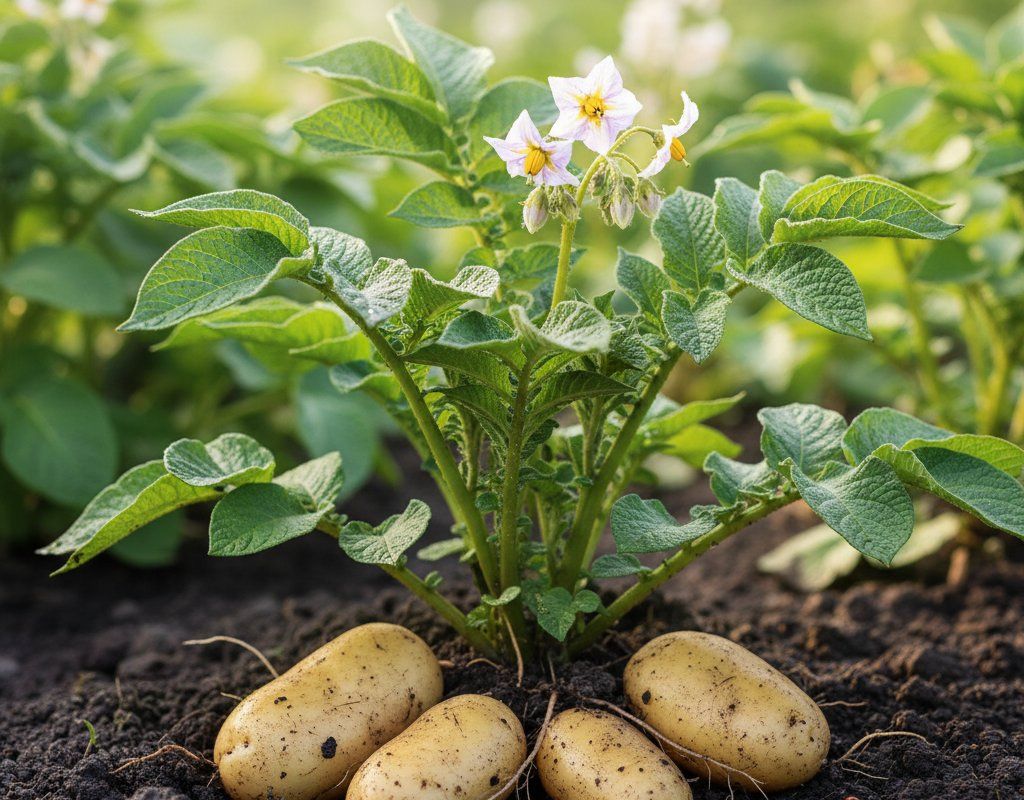
Potato in Zone 9B — Gulf Coast
Solanum tuberosum · Your Complete 2026 Planting Guide
Still Time to Sow!
The sowing window is still open for Potato.
Sow Seeds Soon
Plant seed potatoes directly in the ground. Not grown from true seed.
How to Plant Potato in Zone 9B — Gulf Coast
Here are all your options for getting potato in the ground, from the easiest method to more advanced approaches.
Direct Sow Seeds
RecommendedMid January through early September
around January 16
Consider succession planting every 2-3 weeks for continuous harvest.
Plant seed potatoes directly in the ground. Not grown from true seed.
Buy Starts
Works WellMid January through early February
around January 16
Plant purchased starts after last frost (January 30).
Start Seeds Indoors
ChallengingThis plant is typically not started indoors.
Transplant Outdoors
Timing InfoMid January through early February
around January 16
Can tolerate light frost, but wait for soil to be workable.
Plan to transplant within a few weeks of your target date.
Overview
Growing potatoes in the Gulf Coast gives you access to creamy, freshly dug spuds that make store-bought varieties taste like cardboard. Our long growing season means you can plant multiple crops throughout the year, harvesting everything from delicate new potatoes perfect for Gulf Coast boils to storage varieties that cure beautifully in our mild winters. There's nothing quite like digging your own potatoes from rich Gulf Coast soil.
Our high humidity and wet conditions can create challenges for potato growing, but proper timing makes all the difference. With 319 days of growing season, you have flexibility to plant when conditions are most favorable and avoid the worst disease pressure that comes with our summer heat and humidity.
Transplanting Outdoors
While most gardeners direct-sow potatoes, you can transplant potato starts if you're growing specialty varieties or want an early harvest. Plant transplants from mid-January through early February, taking advantage of our mild winter temperatures before the heat and humidity ramp up.
Harden off transplants gradually over a week, bringing them outside for increasing periods. Our January weather can swing between cool mornings and warm afternoons, so watch for temperature fluctuations. Space transplants 12 inches apart in well-draining soil.
Be prepared for late winter rain that can waterlog newly planted transplants. Choose your planting window carefully between our frequent afternoon storms during this period.
Direct Sowing
Plant seed potatoes directly in the ground from mid-January through early September - this is the preferred method for Gulf Coast potato growing. Our mild winters allow for very early spring planting, while fall planting takes advantage of cooling temperatures and reduced disease pressure.
Prepare your soil by working in compost and ensuring excellent drainage - this is critical in our wet climate. Plant seed potato pieces when soil temperature reaches 45°F, which happens reliably by mid-January in the Gulf Coast. Cut seed potatoes into pieces with 2-3 eyes each, let them cure for 24 hours before planting.
Space seed potatoes 12 inches apart and 4 inches deep. In our heavy clay soils common along the Gulf Coast, consider raised beds or mounded rows to improve drainage. Hill soil around plants as they grow, which protects developing tubers and improves yields even in our challenging humid conditions.
Watering Potato in Zone 9B (Gulf Coast)
Potatoes need consistent moisture but absolutely cannot tolerate waterlogged conditions - a real balancing act in our wet Gulf Coast climate. Aim for about 1 inch of water per week during active growth, but reduce this significantly during our rainy periods when we often get that much in a single afternoon storm.
The finger test is your best friend here: stick your finger 2 inches into the soil near the plants. If it's dry at that depth, it's time to water. During our intense summer heat with 93°F temperatures, you may need to water every other day, but always check soil moisture first rather than following a rigid schedule.
Water at the base of plants rather than overhead - our very high humidity means wet foliage invites fungal diseases. During tuber formation (when plants flower), maintain even soil moisture as irregular watering causes cracked or misshapen potatoes. About two weeks before harvest, reduce watering significantly to prevent tuber rot, which happens quickly in our wet conditions.
Mulch around plants with 2-3 inches of organic matter to retain moisture and keep soil temperatures more moderate during our brutal summer heat. This also helps prevent afternoon rainfall from splashing soil-borne diseases onto lower leaves.
🧪Fertilizing Potato
Feeding Schedule
Organic Fertilizer Options
Harvest Time
Your first potato harvest typically begins in mid-April for January plantings, continuing through late December for fall crops. Most varieties take about 90 days to mature, but you can harvest "new potatoes" much earlier when plants begin flowering - these thin-skinned beauties are perfect for summer potato salads.
For new potatoes, carefully dig around the base of flowering plants and harvest golf ball-sized tubers, leaving smaller ones to continue growing. Storage potatoes are ready when the foliage dies back completely. In the Gulf Coast, this natural die-back might not happen due to our long growing season, so stop watering and let plants dry down artificially.
Harvest on a dry day when possible - difficult during our wet climate, but try to avoid digging in muddy conditions. Use a garden fork to carefully lift tubers, working from the outside of the plant inward to avoid spearing potatoes. Brush off soil but don't wash until you're ready to use them.
As our first frost approaches in mid-December, harvest any remaining storage potatoes and cure them in a cool, dark place with good air circulation. Our mild winters make curing easier than in colder climates - a garage or covered porch often provides perfect conditions.
Common Problems in Zone 9B (Gulf Coast)
Colorado Potato Beetle These striped orange and black beetles and their orange egg masses appear on potato leaves, with larvae that can defoliate entire plants within days. Adult beetles overwinter in garden debris and emerge as soil warms in spring. Hand-pick beetles and egg masses daily during early infestations. For severe problems, apply beneficial nematodes to soil or use row covers early in the season.
Late Blight Large, irregularly shaped dark green-gray water-soaked spots appear on leaves, with white fuzzy growth on leaf undersides during humid weather. This devastating disease spreads rapidly in our cool, wet spring conditions and can destroy entire plantings within days. Remove and destroy affected plants immediately in sealed bags - never compost them. Apply copper-based fungicides preventatively and ensure excellent air circulation between plants. Plant resistant varieties and avoid overhead watering.
Scab Rough, corky patches develop on potato skins, making tubers unsightly though still edible. This bacterial disease thrives in alkaline soils and dry conditions during tuber formation. Maintain consistent soil moisture during flowering and tuber development. Add organic matter to acidify soil slightly and improve water retention. Avoid fresh manure, which can promote scab development.
Gulf Coast Specific Challenges: Our extreme humidity and wet year-round rainfall create perfect conditions for fungal diseases like late blight and bacterial problems. The key is preventive care - good soil drainage, proper spacing for air circulation, and avoiding overhead watering whenever possible. During hurricane season, be prepared to harvest early if severe weather threatens.
Best Companions for Potato
Plant these nearby for healthier Potato and better harvests.

Keep Away From

Companion Planting Details
Plant beans near your potatoes - they fix nitrogen that potatoes love, while their different root depths mean they won't compete for nutrients. Corn makes an excellent companion too, providing some afternoon shade during our intense summer heat while potatoes help break up soil for corn's shallow roots. Brassicas like cabbage and broccoli planted nearby can help deter Colorado potato beetles with their strong scents.
Avoid planting tomatoes, squash, or cucumbers near potatoes since they share similar disease susceptibilities - particularly problematic in our high humidity climate where fungal diseases spread rapidly between related plants. Sunflowers can harbor the same bacterial diseases as potatoes and their allelopathic properties may inhibit potato growth, making them poor companions in the Gulf Coast's already challenging growing conditions.
🌸Best Flowers to Plant with Potato
These flowers protect your Potato from pests and attract pollinators for better harvests.



Get a Reminder When It's Time to Plant
We'll email you when key planting windows open for your zone.