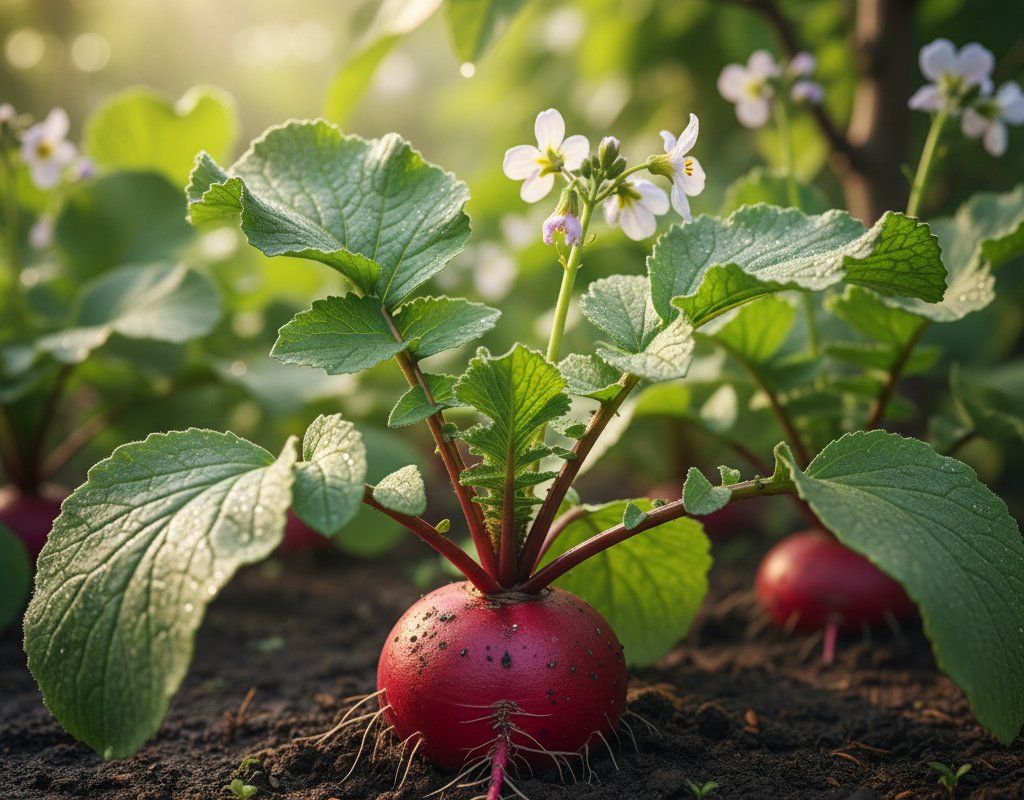
Radish in Zone 9B — Gulf Coast
Raphanus sativus · Your Complete 2026 Planting Guide
Harvest Time!
Your Radish should be producing now!
Harvest Tips
Check size by brushing soil away from crown. Pull when ready.
How to Plant Radish in Zone 9B — Gulf Coast
Here are all your options for getting radish in the ground, from the easiest method to more advanced approaches.
Direct Sow Seeds
RecommendedEarly January through early November
around January 2
Consider succession planting every 2-3 weeks for continuous harvest.
Fast-growing and easy. No reason to start indoors.
Buy Starts
Works WellEarly January through mid February
around January 2
Plant purchased starts after last frost (January 30).
Start Seeds Indoors
ChallengingThis plant is typically not started indoors.
Transplant Outdoors
Timing InfoEarly January through mid February
around January 2
Can tolerate light frost, but wait for soil to be workable.
You have a nice window — no need to rush.
Fall Planting
Mid October through mid November
November 3 ideal · Direct sow for fall harvest
Plant a second crop in mid-summer for fall harvest. Radish actually prefers the cooling temperatures of fall.
Overview
Radishes are perfect for Gulf Coast gardeners who want quick satisfaction from their gardens. With our incredibly long 319-day growing season, you can grow fresh, crisp radishes almost year-round, harvesting homegrown roots in just 25 days from seed. The mild bite of garden-fresh radishes beats anything from the store, and they're versatile enough to enjoy raw, pickled, or even roasted with their greens sautéed.
Our high humidity and afternoon storms can challenge many crops, but radishes actually thrive in our cooler months when disease pressure drops. The key is timing your plantings to avoid the peak summer heat while taking advantage of our mild winters and extended growing season.
Transplanting Outdoors
While radishes can be transplanted, it's rarely necessary given their lightning-fast growth from seed. If you do choose to transplant, the window runs from early January through mid-February when our Gulf Coast weather is most cooperative for young plants.
Start hardening off transplants gradually over a week, beginning with just 2-3 hours of morning sun and building up to full outdoor exposure. Our January weather can swing from 70°F one day to 40°F the next, so watch the forecast and protect seedlings during cold snaps.
Space transplants 2-4 inches apart and water them in well. The main risk during transplant season is our occasional winter storms that can batter small plants, so have row covers ready for protection.
Direct Sowing
Direct sowing is absolutely the best method for radishes in the Gulf Coast. You can plant from early January straight through early November, taking full advantage of our marathon growing season. Skip the summer months when heat stress ruins root quality, but spring and fall plantings will give you the best results.
Prepare beds by working compost into well-draining soil - radishes hate waterlogged conditions, which we get plenty of during heavy rain periods. Plant seeds ½ inch deep and 2-4 inches apart in rows or broadcast over prepared beds. The soil should be workable but doesn't need to be warm since radishes germinate in cool conditions.
With our abundant rainfall, you'll rarely need to water seeds for germination. They'll pop up in 3-5 days and be ready to harvest in less than a month. This speed makes radishes perfect for succession planting every 2-3 weeks during the cooler months.
Watering Radish in Zone 9B (Gulf Coast)
Radishes need consistent, moderate moisture to develop crisp, mild roots - drought stress turns them woody and fiery hot in just days. In our wet climate, the biggest challenge is managing moisture rather than providing it, especially during our intense afternoon storm season.
Check soil moisture by sticking your finger 2 inches deep near the plants. During our cooler growing months (fall through spring), natural rainfall often provides the 1-1.5 inches per week radishes prefer. Summer plantings need daily attention since our 93°F heat combined with very high humidity can stress plants quickly.
Water at soil level rather than overhead to avoid promoting fungal diseases in our humid climate. A thin layer of mulch helps maintain even soil moisture and prevents the soil crusting that can prevent germination. Signs of underwatering include cracked, pithy roots and excessive heat in the radish flavor.
Overwatering shows up as soft, mushy roots or plants that seem to stop growing. With our heavy clay soils in many areas, ensure good drainage by planting in raised beds or adding compost to improve soil structure.
🧪Fertilizing Radish
Feeding Schedule
Organic Fertilizer Options
Harvest Time
Your first radishes will be ready from late January through late December, depending on when you planted. Most varieties mature in just 25 days, making them one of the fastest crops in your Gulf Coast garden. You'll know they're ready when the shoulders push above the soil surface and reach about 1 inch in diameter.
Pull radishes by grasping the leaves close to the root and tugging straight up. The best eating happens when they're young and tender - waiting too long results in woody, overly spicy roots that split and become inedible. Check your planting every few days once they start sizing up.
Harvest the entire crop within a week of maturity since radishes don't hold well in the ground, especially during warm spells. The leaves are edible too - sauté them like any other green vegetable. In our mild Gulf Coast winters, you can often harvest right through until mid-December when our first frost typically arrives.
Store harvested radishes in the refrigerator where they'll keep crisp for 2-3 weeks. Cut off the greens before storing to prevent the roots from going soft.
Common Problems in Zone 9B (Gulf Coast)
Flea Beetles These tiny, dark beetles create characteristic round holes in radish leaves, making them look like they've been hit with buckshot. You'll see the beetles themselves - about 1/8 inch long and shiny black - jumping away when you disturb the plants. Young seedlings suffer the most damage and can be killed by heavy infestations.
Small jumping beetles cause this damage, targeting brassica family crops during their most vulnerable early stages. Our warm, humid springs create perfect conditions for flea beetle reproduction. Row covers during the first 3-4 weeks after germination provide the best protection. Kaolin clay dusting and interplanting with aromatic herbs like basil can also deter them.
Root Maggots Tunnels and brown, rotted areas in the radish roots signal root maggot damage. You might find small white larvae in the soil around affected plants. Leaves often wilt and plants may collapse despite adequate moisture.
These are larvae of flies that lay eggs at the base of brassica plants, thriving in our cool, moist spring conditions. Prevent problems by using row covers early in the season and avoiding fresh manure applications. Beneficial nematodes applied to soil can help control larvae populations.
Pithy Roots Radishes develop woody, dry centers with poor flavor when they become pithy. The outside may look normal, but cutting reveals spongy, fibrous flesh that's unpleasant to eat.
Heat stress and inconsistent watering cause this condition, which is common during our hot, humid summers or when spring weather turns suddenly warm. Plant during cooler months, maintain consistent soil moisture, and harvest promptly when roots reach maturity. Succession planting ensures you always have tender radishes ready.
Gulf Coast Specific Challenges: Our extreme humidity and frequent afternoon storms create perfect conditions for fungal diseases and pest reproduction. The key to healthy radishes is timing plantings for cooler weather, ensuring good air circulation, and maintaining consistent but not excessive soil moisture during our wet periods.
Best Companions for Radish
Plant these nearby for healthier Radish and better harvests.


Keep Away From
Companion Planting Details
Radishes make excellent companions for carrots, lettuce, and peas in Gulf Coast gardens. Plant them with carrots to break up heavy clay soil and mark slow-germinating carrot rows. Lettuce benefits from radishes' quick growth that shades the soil and conserves moisture during our intense spring warming periods. Peas and radishes work well together since radishes mature quickly and are harvested before peas need the space.
Avoid planting radishes near hyssop, which can stunt their growth and affect flavor development. In our humid climate, focus on companions that don't compete heavily for air circulation - overcrowding any brassica family plant in Gulf Coast gardens leads to increased disease pressure and poor root development.
🌸Best Flowers to Plant with Radish
These flowers protect your Radish from pests and attract pollinators for better harvests.



Get a Reminder When It's Time to Plant
We'll email you when key planting windows open for your zone.