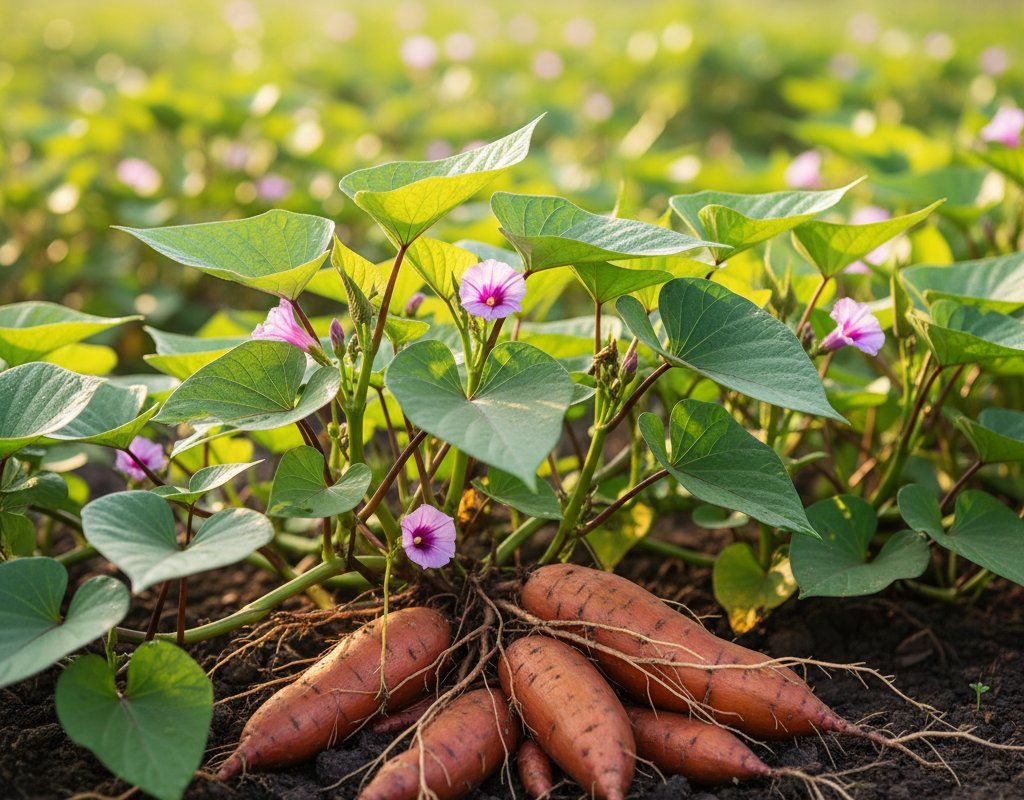
Sweet Potato in Zone 9B — Gulf Coast
Ipomoea batatas · Your Complete 2026 Planting Guide
Time to Buy Starts!
Seed starting window passed, but starts are available now.
Buy Starts Now
Head to your local nursery, Home Depot, or farmers market for transplants.
- Look for stocky plants with dark green leaves
- Avoid leggy seedlings or plants already flowering
- Check that roots aren't circling the pot (rootbound)
How to Plant Sweet Potato in Zone 9B — Gulf Coast
Here are all your options for getting sweet potato in the ground, from the easiest method to more advanced approaches.
Buy Starts
RecommendedMid February through mid March
around February 20
Plant purchased starts after last frost (January 30).
Plant slips (rooted sprouts) after soil is warm. Buy slips or grow your own from a sweet potato.
Start Seeds Indoors
Works WellMid December through early January
around December 26
Then transplant: Mid February through mid March
Start seeds 8-10 weeks before transplanting outdoors.
Direct Sow Seeds
ChallengingDirect sowing is not typical for Sweet Potato.
Transplant Outdoors
Timing InfoMid February through mid March
around February 20
Wait until nighttime temperatures stay above 50°F.
Plan to transplant within a few weeks of your target date.
Overview
Sweet potatoes thrive in our Gulf Coast climate, making them one of the most rewarding crops for Zone 9B gardeners. The combination of our warm, humid conditions and long growing season creates perfect sweet potato weather, producing tubers with exceptional sweetness and creamy texture that puts store-bought varieties to shame. You'll get impressive yields from just a few plants, and the versatility is unmatched—roast them whole, make fries, or cure them properly for winter storage.
While our extreme humidity and disease pressure can challenge some crops, sweet potatoes actually appreciate the warmth and moisture our region provides. With our generous 319-day growing season, you have plenty of time to establish strong plants and harvest mature tubers well before our first frost arrives in mid-December. The key is getting your timing right with indoor starts and transplants.
Starting Seeds Indoors
Starting sweet potatoes from seed isn't the typical approach—most gardeners grow them from slips (rooted sprouts from sweet potato tubers). However, if you want to try specific varieties from seed, start them mid-December through early January, about 8 weeks before transplanting outdoors. Set up seed trays in a warm spot (75-80°F) with good grow lights, as our winter days are short even here in the Gulf Coast.
Use bottom watering to keep seedlings healthy and prevent damping-off, which can be a problem in our humid conditions. Since our spring arrives early compared to northern regions, you'll need these indoor starts ready by mid-February when soil temperatures warm sufficiently for transplanting.
Most Gulf Coast gardeners skip the seed route entirely and either purchase slips from local nurseries in late winter or grow their own slips from sweet potato tubers starting in January. This method is more reliable and gets you growing faster.
Transplanting Outdoors
Plan to transplant your sweet potato slips from mid-February through mid-March, once soil temperatures consistently reach 65°F or higher. In the Gulf Coast, this window aligns perfectly with our early spring pattern, giving plants time to establish before summer heat arrives. Space slips 12-18 inches apart in well-draining soil—this is crucial given our wet-year-round rainfall of 50-65 inches.
Harden off any indoor-started slips gradually over a week, moving them outside for longer periods each day. Our Gulf Coast springs can bring sudden temperature swings and afternoon storms, so keep an eye on weather forecasts during this transition period. Once transplanted, protect young plants from any late cold snaps with row covers or plant tunnels.
Most successful Gulf Coast sweet potato growers plant pre-made slips rather than transplanting seedlings. You can buy these locally or make your own by suspending a sweet potato half in water starting in January, then harvesting the rooted sprouts that develop.
Watering Sweet Potato in Zone 9B (Gulf Coast)
Sweet potatoes need moderate water to get established, but they're surprisingly drought-tolerant once their root systems develop. In the Gulf Coast, start new transplants with consistent moisture—about 1 inch per week including rainfall. Given our annual 50-65 inches of rain, you'll likely need less supplemental watering than gardeners in drier regions, especially during our regular afternoon storms.
Use the finger test to check soil moisture 2 inches deep before watering. Water at the base of plants rather than overhead to reduce disease pressure in our very high humidity conditions. Our 93°F summer temperatures mean plants will need more water during July and August, but avoid overwatering which can lead to fungal issues in our humid climate.
As harvest time approaches in late spring through mid-summer, reduce watering frequency about 3-4 weeks before digging. This helps concentrate sugars in the tubers and prevents them from becoming waterlogged. Apply a 2-3 inch layer of mulch around plants to maintain consistent soil moisture and suppress weeds, which is especially important given our long growing season and frequent rainfall.
Watch for signs of stress: wilted leaves during the heat of the day (normal), but if they stay wilted in the evening, increase watering. Yellow, soggy leaves often indicate overwatering—common in our wet climate.
🧪Fertilizing Sweet Potato
Feeding Schedule
Organic Fertilizer Options
Harvest Time
Your first sweet potatoes will be ready from late May through mid-July, about 100 days after transplanting. Unlike other root crops, sweet potatoes don't show obvious above-ground signs when ready, so count your days and do test digs. Carefully excavate around one plant to check tuber size—they should be firm and well-formed, typically 3-6 inches long.
Harvest on a dry day if possible, which can be challenging during our wet Gulf Coast summers. Use a garden fork to gently loosen soil around the entire plant, working from about 18 inches away to avoid puncturing tubers. Sweet potatoes form in clusters, so dig carefully to locate all the tubers without damaging them.
Plan your main harvest for late fall before our first frost arrives in mid-December. Sweet potatoes are frost-tender and will be damaged by temperatures below 50°F. If an unexpected early cold front threatens, harvest immediately and cure indoors. In the Gulf Coast, you typically have from October through early December for final harvest.
After digging, brush off soil but don't wash the tubers. Cure them in a warm (80-85°F), humid location for 1-2 weeks—our Gulf Coast climate actually makes this easier than in drier regions. Proper curing converts starches to sugars and toughens the skin for storage.
Common Problems in Zone 9B (Gulf Coast)
Sweet Potato Weevils look like small, dark beetles with elongated snouts, and their larvae create tunnels throughout your tubers, making them inedible. You'll see small holes in the sweet potatoes and dark, stringy damage inside. These pests thrive in our warm Gulf Coast climate year-round, overwintering in garden debris and attacking plants from planting through harvest. Prevent them by rotating crops annually, removing all plant debris after harvest, and using row covers early in the season. Once established, they're difficult to control organically.
Wireworms are the larval stage of click beetles—thin, hard-bodied, yellow-brown worms about an inch long that bore perfectly round holes into your sweet potato tubers. They're especially problematic in the Gulf Coast where our mild winters don't kill them off reliably. The damage makes tubers unmarketable and provides entry points for rot. Work compost into soil rather than fresh organic matter, and avoid planting in areas that were recently grassy. Beneficial nematodes can help control populations.
Cracking appears as splits that run either in circles around the tuber or radially from one end. The cracks expose flesh to rot and ruin storage quality. This happens when heavy watering or our intense afternoon storms follow a dry period—the tubers absorb water faster than their skin can expand. Our unpredictable Gulf Coast rainfall patterns make this common. Maintain consistent soil moisture with mulch and deep, less frequent watering. Harvest promptly when mature and choose crack-resistant varieties if this is a recurring problem.
Gulf Coast Specific Challenges: Our combination of extreme humidity, frequent flooding rains, and year-round warmth creates perfect conditions for fungal diseases and pest overwintering. Sweet potatoes generally handle our climate well, but the high humidity can promote soil-borne diseases, while our mild winters allow pest populations to survive when they'd normally be killed off in colder regions.
Best Companions for Sweet Potato
Plant these nearby for healthier Sweet Potato and better harvests.


Keep Away From
Companion Planting Details
Sweet potatoes make excellent companions with beans and corn in a modified Three Sisters planting approach perfect for Gulf Coast gardens. The beans fix nitrogen that sweet potatoes can use, while the sweet potato vines spread along the ground, acting as living mulch that suppresses weeds and retains moisture during our hot summers. Plant bush beans rather than pole varieties to avoid competition for space.
Corn provides beneficial shade during the most intense afternoon heat, and its deep roots don't compete with the sweet potatoes' spreading root system. Avoid planting sweet potatoes near tomatoes or other nightshades, as they can harbor similar soil-borne diseases that thrive in our humid conditions. The vigorous vining habit of sweet potatoes also means they need space—they'll quickly overtake smaller companion plants if not managed properly.
🌸Best Flowers to Plant with Sweet Potato
These flowers protect your Sweet Potato from pests and attract pollinators for better harvests.
For Pest Control




Get a Reminder When It's Time to Plant
We'll email you when key planting windows open for your zone.