
Pumpkin in Zone 7B — Desert Southwest
Cucurbita pepo · Your Complete 2026 Planting Guide
Ideal Time: Start Seeds Indoors!
This is the perfect time for the biggest, best harvest.
Start Seeds Now
- Start seeds in trays or pots with seed-starting mix
- Keep soil moist and warm (70-80°F)
- Transplant outdoors Late March through mid April
Not Starting from Seed?
Buy starts around March 29 — that works great too!
How to Plant Pumpkin in Zone 7B — Desert Southwest
Here are all your options for getting pumpkin in the ground, from the easiest method to more advanced approaches.
Direct Sow Seeds
RecommendedLate March through late July
around March 22
Consider succession planting every 2-3 weeks for continuous harvest.
Pumpkins grow well from direct-sown seeds after soil warms.
Buy Starts
Works WellLate March through mid April
around March 29
Plant purchased starts after last frost (March 15).
Start Seeds Indoors
Works WellEarly to late March
around March 8
Then transplant: Late March through mid April
Start seeds 3-5 weeks before transplanting outdoors.
Transplant Outdoors
Timing InfoLate March through mid April
around March 29
Wait until nighttime temperatures stay above 50°F.
Plan to transplant within a few weeks of your target date.
Overview
Growing pumpkins in the Desert Southwest is surprisingly rewarding when you understand our unique two growing seasons. These sprawling vines produce impressive harvests in our Zone 7B climate, giving you everything from jack-o'-lanterns to pie filling while taking advantage of our long 245-day growing season. The key is working with our extreme heat rather than against it – spring plantings mature before the worst summer scorching, while summer sowings benefit from monsoon moisture and produce beautiful fall harvests.
Desert gardening challenges like extreme heat and alkaline soil might seem daunting for heat-sensitive pumpkins, but proper timing makes all the difference. Our very-early spring start and extended fall season create perfect windows for pumpkin success, avoiding the brutal midsummer conditions that stress most plants. With careful water management and strategic planting dates, you'll discover that pumpkins actually thrive in our desert climate.
Starting Seeds Indoors
Starting pumpkin seeds indoors works in the Desert Southwest, though it's not your best option given how well they direct-sow once soil warms. If you want an early head start, begin seeds indoors from early to late March, about three weeks before your planned transplant date. This gives you more control during our sometimes unpredictable spring weather patterns.
Set up seed trays in a warm spot (70-80°F) with good light – a south-facing window or grow lights work well. Plant seeds about an inch deep in quality potting mix and use bottom watering to keep soil consistently moist without waterlogging. Our dry desert air means you'll need to check moisture levels more frequently than gardeners in humid climates.
The main advantage of indoor starting here is protecting young plants from late cold snaps and giving them a stronger root system before facing our intense spring sun. However, pumpkins don't love root disturbance, so only start indoors if you're committed to careful transplanting within that three-week window.
Transplanting Outdoors
Transplant your indoor-started pumpkins from late March through mid-April, after soil temperatures consistently reach 65°F and nighttime lows stay above 50°F. In our Desert Southwest climate, this timing avoids both late frost risk and the approaching extreme heat that can shock tender transplants.
Harden off seedlings gradually over a full week by exposing them to outdoor conditions for increasing periods daily. Start with just an hour of morning sun and work up to full days, paying special attention to wind protection since our dry desert air can quickly stress soft transplant leaves.
Space transplants 60-96 inches apart – pumpkin vines need serious room to spread, and proper spacing improves air circulation in our low-humidity climate. Plant slightly deeper than the seedlings grew in their containers to encourage strong root development, and water thoroughly at transplant time. Consider providing afternoon shade cloth for the first week while plants establish.
Direct Sowing
Direct sowing is your best bet for pumpkins in the Desert Southwest, giving you a window from late March through late July to get seeds in the ground. This extended planting season lets you avoid the transplant shock that often stunts pumpkins in our intense climate. Wait until soil temperatures reach at least 65°F consistently – usually by early April in most areas.
Prepare your planting area by loosening soil to at least 12 inches deep, working in compost to improve our typically alkaline desert soil. Plant seeds about one inch deep and space them 60-96 inches apart in all directions – these vines will sprawl extensively and need room for good air circulation. Plant 2-3 seeds per spot and thin to the strongest seedling once they're established.
Summer sowings from June through July take advantage of monsoon moisture and produce excellent fall harvests. The key is keeping newly planted seeds consistently moist during germination, which typically takes 7-10 days in warm soil. Once established, summer-sown pumpkins often outperform spring plantings since they avoid the stress of transitioning from cool spring weather to extreme summer heat.
Watering Pumpkin in Zone 7B (Desert Southwest)
Pumpkins need consistent, deep watering in our arid Desert Southwest climate, especially during their initial growth and fruit development stages. Plan on providing about 1-2 inches of water weekly through deep, infrequent sessions rather than frequent shallow watering. Our extreme summer heat and low humidity mean water stress happens quickly, so monitor soil moisture regularly using the finger test – if it's dry two inches down, it's time to water.
Water at the base of plants rather than overhead to conserve moisture in our dry air and prevent foliar diseases. Soaker hoses or drip irrigation work exceptionally well for pumpkins, delivering water directly to the root zone where it's needed most. During our hottest months, you may need to water twice weekly, but reduce frequency as fruits mature and approach harvest – overwatering mature pumpkins can lead to splitting and poor storage quality.
Watch for signs of water stress like wilting during morning hours (afternoon wilting is normal in extreme heat), yellowing leaves starting from the bottom, or stunted fruit development. Overwatering shows up as mushy stems, poor fruit set, or fungal issues at the base of plants. Apply a 2-3 inch layer of organic mulch around plants to conserve soil moisture and moderate soil temperature swings.
During monsoon season, adjust your watering schedule based on natural rainfall, but don't rely entirely on summer storms since they're often localized. Place cardboard or straw under developing fruits to prevent rot from contact with wet soil after heavy rains or irrigation.
🧪Fertilizing Pumpkin
Feeding Schedule
Organic Fertilizer Options
Harvest Time
Your first pumpkins will be ready from late June through mid-November, depending on when you planted and which varieties you chose. Spring-planted pumpkins typically mature by midsummer, while summer sowings produce beautiful fall harvests that coincide perfectly with autumn decorating and cooking needs. Most varieties take about 100 days from planting to harvest, so count backward from when you want to use them.
Harvest pumpkins when they develop full color for their variety, the shell feels hard when you tap it with your knuckle, and it makes a hollow sound. The stem should look dry and corky rather than green and fresh. Cut the stem with sharp pruners, leaving a 4-inch handle – this "cork" helps prevent rot during storage. Never carry pumpkins by their stems since this can damage both the fruit and the remaining vine.
Unlike some crops, pumpkins won't ripen further once removed from the vine, so patience pays off. However, you'll need to harvest before our first frost in mid-November, even if some fruits aren't quite ready. Light frosts might not immediately damage the fruit, but they'll kill the vines and stop further ripening.
Check your pumpkin patch regularly during harvest season since different fruits on the same vine may ripen at different rates. Handle harvested pumpkins gently to avoid bruising, and cure them in a warm, dry place for 10 days to harden the skin for better storage.
Common Problems in Zone 7B (Desert Southwest)
Squash Vine Borers You'll notice sudden wilting of entire vine sections or whole plants, often seemingly overnight. Look for sawdust-like debris (called frass) around the base of stems – this is the clearest sign of borer activity. If you slice open affected stems, you'll find fat, white grubs tunneling inside. These are larvae of clearwing moths that lay eggs at stem bases during late spring and early summer in our Desert Southwest climate.
Prevent borers by wrapping the base of stems with aluminum foil or covering young plants with row covers during peak moth flight periods. If you catch an infestation early, you can inject Bt (Bacillus thuringiensis) directly into stems or carefully slit stems open to remove borers by hand. Plant successive crops to have backup plants, and consider growing butternut squash varieties, which show more resistance than traditional pumpkins.
Powdery Mildew This fungal disease appears as white or grayish powdery coating on leaves, stems, and sometimes fruits. Leaves start curling, turn yellow, and eventually die, reducing plant vigor significantly. Ironically, our dry desert air actually favors powdery mildew more than humid conditions – it's one of the few fungal diseases that thrives on dry leaf surfaces.
Combat powdery mildew by ensuring good air circulation through proper spacing and strategic pruning of dense foliage. Remove affected leaves promptly and dispose of them away from the garden. Spray plants with neem oil, potassium bicarbonate solutions, or even a simple milk spray (one part milk to nine parts water) which has proven surprisingly effective against this disease.
Poor Pollination Fruits that start developing but remain small, misshapen, or fall off indicate pollination problems. You might see flowers blooming abundantly but no fruit set, or partially developed pumpkins with uneven growth patterns. Our extreme summer heat can discourage pollinator activity, and timing issues between male and female flower production compound the problem.
Hand-pollinate using a small paintbrush to transfer pollen from male flowers (with thin stems) to female flowers (with small fruits at their base). Do this early morning when flowers are fully open and before temperatures soar. Plant pollinator-friendly flowers nearby and provide shallow water sources for bees. Avoid pesticides during flowering periods, and consider planting multiple pumpkin plants to ensure overlapping bloom times.
Desert Southwest Specific Challenges Our extreme heat, intense UV exposure, and alkaline soils create unique stresses for pumpkins. Sunscald commonly affects fruits during summer, requiring shade cloth or strategic planting near taller companion plants. The combination of low humidity and high temperatures means water stress develops rapidly, while our caliche hardpan can restrict root development and drainage.
Best Companions for Pumpkin
Plant these nearby for healthier Pumpkin and better harvests.

Keep Away From
Companion Planting Details
Pumpkins thrive with traditional "Three Sisters" companions – corn and beans – which work especially well in our Desert Southwest climate. Corn provides natural shade during our intense summer sun, reducing heat stress on sprawling pumpkin vines, while beans fix nitrogen that hungry pumpkins readily use. Plant radishes around the edges of your pumpkin patch to deter squash bugs and cucumber beetles, plus they'll mature quickly before pumpkin vines spread over the area.
Avoid planting pumpkins near potatoes, which compete for similar soil nutrients and can harbor diseases that affect cucurbit family plants. In our arid climate, grouping water-hungry plants like pumpkins together makes irrigation more efficient than scattering them throughout the garden with drought-tolerant desert plants that need different watering schedules.
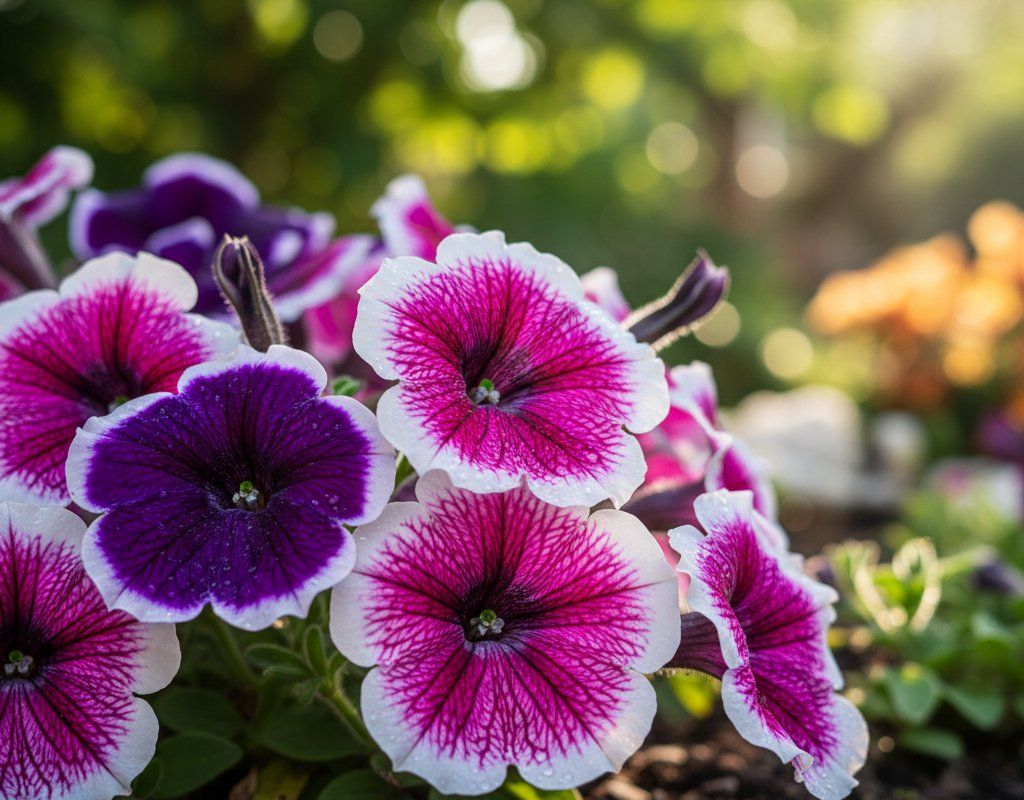
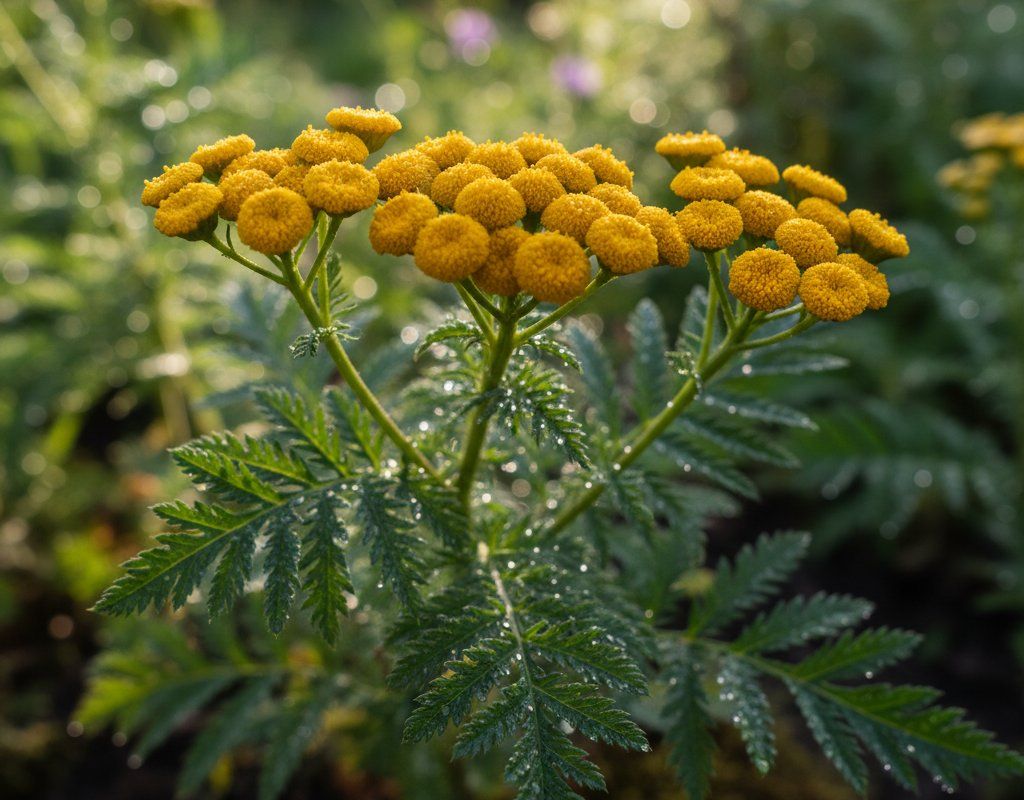
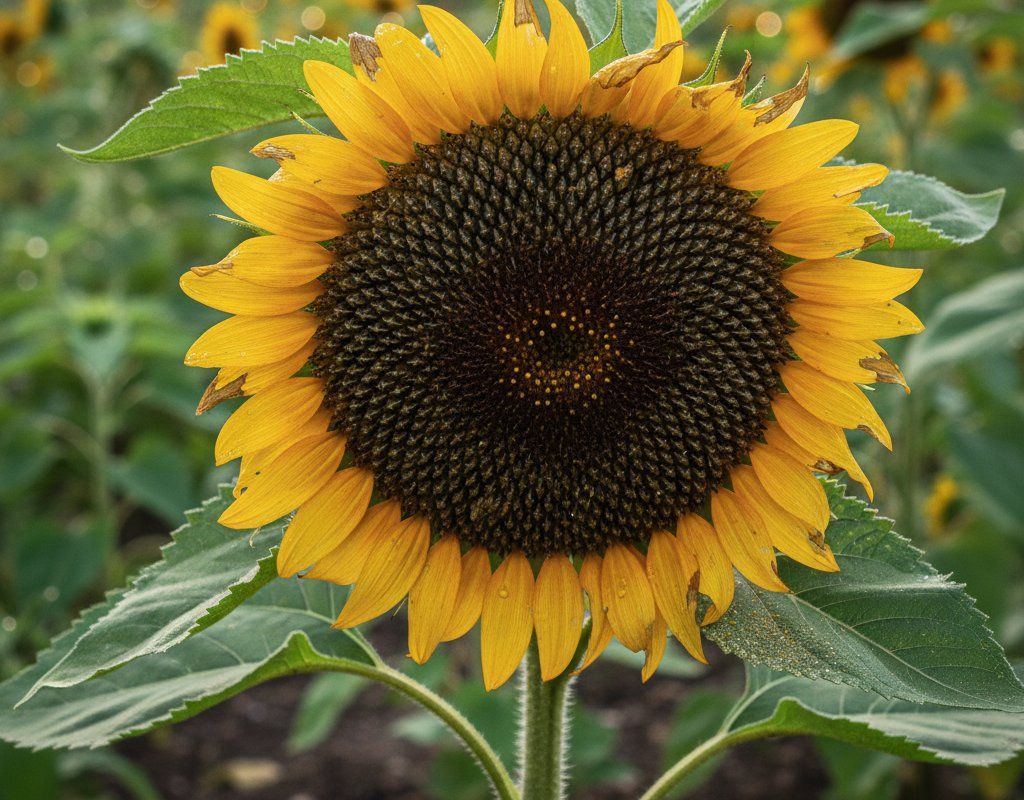
🌸Best Flowers to Plant with Pumpkin
These flowers protect your Pumpkin from pests and attract pollinators for better harvests.
For Pest Control




Get a Reminder When It's Time to Plant
We'll email you when key planting windows open for your zone.