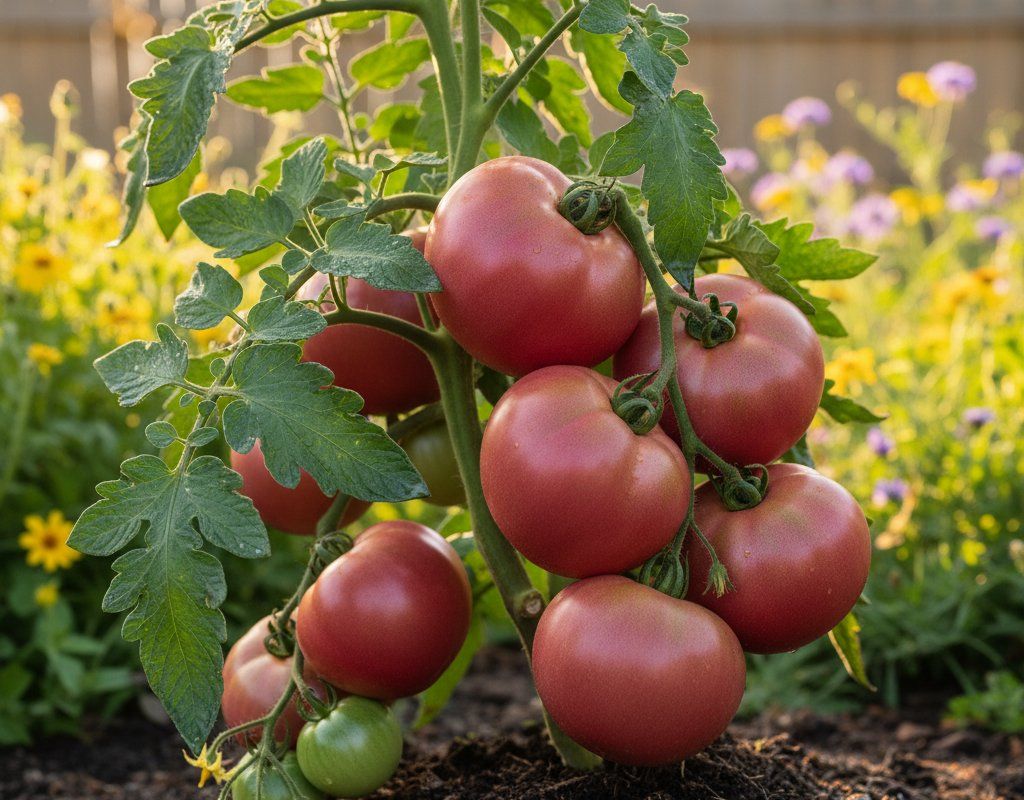
Brandywine Tomatoes in Zone 7B — Desert Southwest
Solanum lycopersicum · Your Complete 2026 Planting Guide
Missed Seed Starting? No Problem!
Wait for starts to become available.
What to Do
Starts will be available at nurseries in 25 days (around March 29).
How to Plant Brandywine Tomatoes in Zone 7B — Desert Southwest
Here are all your options for getting brandywine tomatoes in the ground, from the easiest method to more advanced approaches.
Start Seeds Indoors
RecommendedEarly February through early March
around February 15
Then transplant: Late March through mid April
Start seeds 6-8 weeks before transplanting outdoors.
Buy Starts
Works WellLate March through mid April
around March 29
Plant purchased starts after last frost (March 15).
Direct Sow Seeds
ChallengingDirect sowing is not typical for Brandywine Tomatoes.
Transplant Outdoors
Timing InfoLate March through mid April
around March 29
Wait until nighttime temperatures stay above 50°F.
Plan to transplant within a few weeks of your target date.
Overview
Brandywine tomatoes represent the pinnacle of heirloom flavor — these massive, pink-red beefsteaks deliver that old-fashioned tomato taste that makes store-bought varieties taste like cardboard. In our Desert Southwest gardens, where the extreme heat and arid conditions can stress many tomato varieties, Brandywines reward careful timing with fruit that can weigh over a pound each and provide incomparable flavor for fresh eating, sandwiches, and sauces.
While our region's extreme summer heat and low humidity present real challenges for this heat-sensitive heirloom, our 245-day growing season gives you excellent timing flexibility. Start early enough in spring, and you'll harvest before the worst summer heat arrives. The key is working with our climate patterns rather than against them.
Starting Seeds Indoors
Start your Brandywine seeds indoors during early February through early March, about 6 weeks before your planned transplant date. Our very-early spring character means you can get a jump start while nighttime temperatures are still too cool for outdoor seeding. Use seed starting mix in cell trays or small pots, and keep them consistently warm — 70-75°F works best for germination.
Bottom watering works exceptionally well for tomato seedlings in our arid climate. Place your seed trays in shallow pans of water rather than watering from above. This prevents damping-off disease and maintains consistent moisture without creating the humid conditions that encourage fungal problems. Once seedlings emerge, provide strong light from grow lights or a south-facing window.
Your seedlings will need 4-6 weeks of indoor growth before they're ready for the desert outdoors. Keep them warm but provide good air circulation — a small fan helps strengthen stems and prevents the stagnant air that leads to disease problems.
Transplanting Outdoors
Transplant your Brandywine seedlings outdoors from late March through mid-April, after the last frost danger passes but before summer heat builds. Your transplants should be 6-8 inches tall with strong stems and several sets of true leaves. This timing puts them into the ground during our ideal spring growing weather.
Harden off your seedlings gradually over 7-10 days before transplanting. Start with 2-3 hours of morning sun, then gradually increase outdoor exposure. Our spring temperature swings can shock tender seedlings, so this gradual transition is crucial for success.
Space plants 36-48 inches apart — Brandywines grow into massive indeterminate vines that need room for air circulation. This wide spacing becomes especially important in our low humidity climate where good airflow helps prevent the few diseases that do occur. Plant deeply, burying 2/3 of the stem to encourage strong root development.
Watering Brandywine Tomatoes in Zone 7B (Desert Southwest)
Consistent moisture is absolutely critical for Brandywines in our desert climate — these heirloom tomatoes are more prone to cracking than hybrid varieties and can't tolerate the wet-dry cycles that our monsoon patterns often create. You'll need to supplement natural rainfall throughout the growing season since our 8-15 inches annually won't support these thirsty plants.
Provide 1-2 inches of water per week during spring and fall, increasing to 2-3 inches during the extreme summer heat. Water at soil level rather than overhead — our arid atmosphere will steal moisture before it reaches the roots, and wet foliage invites the few diseases that thrive in desert conditions. Use the finger test: stick your finger 2 inches into the soil near the plant base, and water when it feels dry at that depth.
During our monsoon season, you might receive heavy rainfall followed by weeks of drought. This creates the perfect conditions for fruit cracking as the plants absorb water faster than the skin can expand. Mulch heavily with wood chips or gravel to moderate soil moisture swings and maintain more consistent root zone conditions.
Watch for signs of water stress: wilting during extreme heat (even with adequate moisture), blossom end rot from inconsistent watering, or small, thick-skinned fruit from chronic drought stress. In our climate, it's better to water too frequently than too little.
Supporting Your Brandywine Tomatoes
Brandywines absolutely require strong support — these indeterminate vines can reach 6-8 feet tall and produce fruit weighing over a pound each. Install heavy-duty tomato cages at planting time, or use sturdy 6-foot stakes with soft ties. Flimsy supports will collapse under the weight of a mature Brandywine plant loaded with fruit.
Choose cages made from concrete reinforcing wire or heavy gauge steel rather than the thin wire cages sold at garden centers. These plants develop thick, woody stems and massive fruit clusters that will bend or break inadequate supports. If staking, use 2x2 wooden posts or metal T-posts driven at least 18 inches deep.
Train the main stem upward as it grows, loosely tying with soft cloth strips or tomato clips every 12-18 inches. Brandywines have potato-leaf foliage that provides less shade than regular tomato varieties, making strong support even more important to prevent fruit sunscald in our intense desert sun.
Pruning & Maintaining Brandywine Tomatoes
Prune Brandywines moderately to improve air circulation and plant health — these heirlooms are more susceptible to diseases than modern hybrids, though disease pressure remains low in our arid climate. Remove suckers that grow in the leaf joints, especially the large ones below the first flower cluster. This focuses the plant's energy on fruit production rather than excess foliage.
Remove lower branches that touch the ground or show signs of yellowing as the season progresses. This prevents soil-borne diseases and improves airflow around the plant base. In late summer, pinch growing tips to redirect energy into ripening existing fruit before our first frost arrives in mid-November.
As harvest season ends and first frost approaches, remove any diseased or damaged foliage but leave healthy leaves that help ripen remaining fruit. You can harvest green tomatoes before the first freeze and ripen them indoors — Brandywines ripen well off the vine.
🧪Fertilizing Brandywine Tomatoes
Feeding Schedule
Organic Fertilizer Options
Harvest Time
Expect your first Brandywine harvest from late June through early August, roughly 90 days after transplanting. These large tomatoes ripen gradually from the bottom of the plant upward, giving you a extended harvest period that can last until frost if you maintain consistent watering and care.
Harvest when fruits show pink-red color and yield slightly to gentle pressure. Don't worry if the shoulders (top portion) stay green — this is normal for Brandywines and doesn't affect flavor. The fruit continues to soften and develop full color after picking, so harvest slightly underripe during extreme heat periods to prevent overripening on the vine.
Pick tomatoes in the early morning when they're cool and firm. Cut rather than pull to avoid damaging the vine — these heavy fruit can tear branches if yanked. Check plants every 2-3 days during peak season since ripe fruit deteriorates quickly in our heat.
As mid-November approaches and first frost threatens, harvest all remaining fruit regardless of size or ripeness. Green Brandywines ripen beautifully indoors when stored in a warm, dark location. Wrap individual green tomatoes in newspaper and check weekly — you'll have fresh tomatoes well into winter.
Common Problems in Zone 7B (Desert Southwest)
Cracking Deep splits appear in the tomato skin, either in circles around the stem (concentric cracks) or radiating outward like spokes (radial cracks). The exposed flesh often leads to rot and makes the fruit unusable. Brandywines are particularly prone to this problem compared to hybrid varieties.
Heavy watering or sudden monsoon rains after dry periods cause cracking as the fruit absorbs water faster than the skin can expand. Our erratic rainfall patterns create perfect conditions for this issue. Maintain consistent soil moisture through regular watering and heavy mulching. Harvest promptly when fruit reaches the pink stage rather than waiting for full ripeness on the vine.
Low Yields Plants appear healthy but produce far fewer tomatoes than expected, sometimes only 3-4 large fruit per plant instead of the 8-12 you might anticipate. The fruit that does develop may be exceptionally large but sparse.
Many heirloom varieties like Brandywine naturally produce fewer but larger fruit than modern hybrids. However, inconsistent watering, extreme heat stress, or poor pollination during our hottest periods can reduce yields further. Ensure consistent moisture, provide afternoon shade during extreme heat, and hand-pollinate flowers during periods above 90°F when natural pollination becomes unreliable.
Disease Susceptibility Leaves develop brown spots, yellowing, or wilting despite adequate water. Plants may show multiple disease symptoms throughout the season, including early blight, bacterial wilt, or leaf spot diseases. Heirloom varieties typically show more disease problems than hybrids.
Brandywines lack the disease resistance genes bred into modern hybrid varieties, making them more vulnerable to plant pathogens. However, our arid climate naturally suppresses many fungal diseases. Improve air circulation through proper spacing and pruning. Remove affected foliage immediately and avoid overhead watering to keep leaves dry.
Catfacing Tomatoes develop deep crevices, scars, and deformed shapes, particularly around the blossom end. Fruit appears lumpy and misshapen with deep indentations that make them difficult to slice. Large-fruited varieties like Brandywine are most susceptible.
Cool nighttime temperatures during flowering (below 55°F) cause incomplete pollination and irregular fruit development. This often occurs with early plantings when spring nights are still cool. Wait until nighttime temperatures consistently stay above 55°F before transplanting, or use row covers to maintain warmth around young plants.
Desert Southwest Specific Challenges: Our extreme summer heat combined with low humidity creates additional stress for Brandywines, which prefer more moderate conditions. The intense sun can cause sunscald on exposed fruit, while rapid moisture evaporation makes consistent watering challenging. Plan for shade cloth during the hottest months and consider growing these as a spring crop, then switching to heat-tolerant varieties for summer production.
Best Companions for Brandywine Tomatoes
Plant these nearby for healthier Brandywine Tomatoes and better harvests.
View Full Companion Planting Chart →



Companion Planting Details
Basil makes an excellent companion for Brandywines in desert gardens — it thrives in similar conditions and may help repel aphids and other pests. Plant basil between tomato plants where it can benefit from some afternoon shade while providing ground cover that reduces soil moisture loss. Carrots work well as understory plants, their deep roots helping break up our often-compacted desert soils without competing for surface nutrients.
Avoid planting brassicas like cabbage or broccoli near Brandywines — they prefer cooler conditions and different watering schedules that conflict with tomato needs. Fennel can inhibit tomato growth through allelopathic compounds, while corn attracts many of the same pests (particularly tomato hornworms) and creates unnecessary competition. In our water-scarce climate, focus on companions that share similar irrigation needs rather than mixing high and low water plants.
🌸Best Flowers to Plant with Brandywine Tomatoes
These flowers protect your Brandywine Tomatoes from pests and attract pollinators for better harvests.
For Pest Control

Get a Reminder When It's Time to Plant
We'll email you when key planting windows open for your zone.