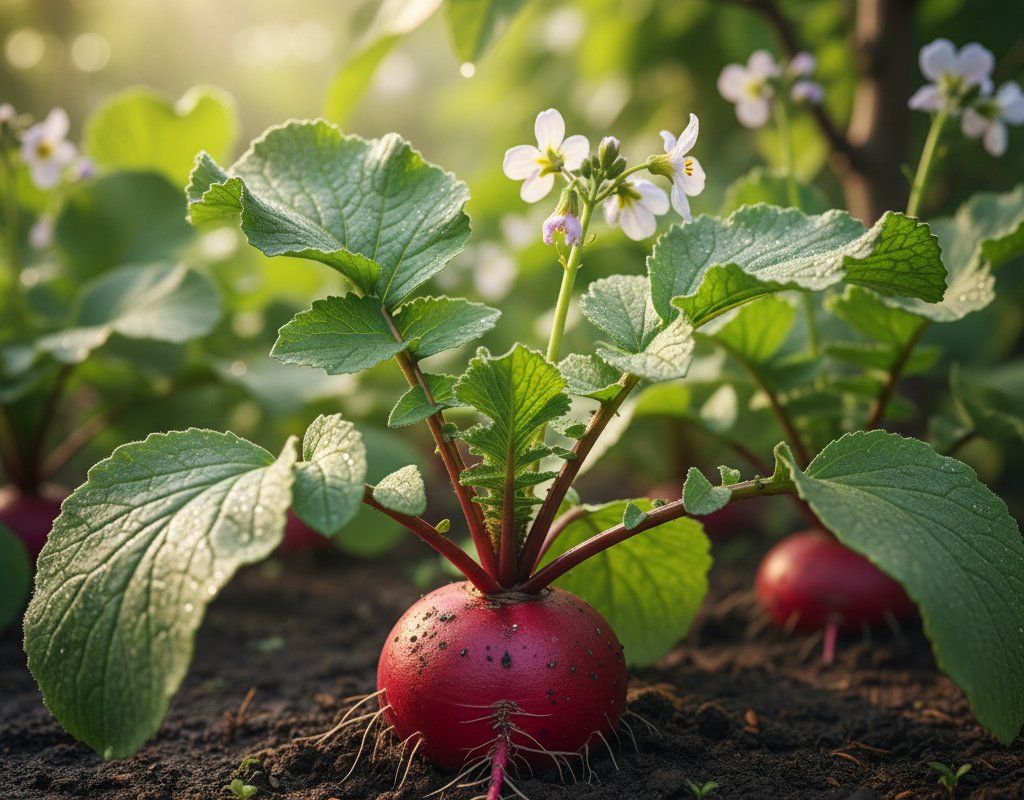
Radish in Zone 3B — Great Plains
Raphanus sativus · Your Complete 2026 Planting Guide
Planning Ahead — Great!
You’re ahead of the season. Here’s when to start.
Mark Your Calendar
How to Plant Radish in Zone 3B — Great Plains
Here are all your options for getting radish in the ground, from the easiest method to more advanced approaches.
Direct Sow Seeds
RecommendedLate April through early August
around April 22
Consider succession planting every 2-3 weeks for continuous harvest.
Fast-growing and easy. No reason to start indoors.
Buy Starts
Works WellLate April through early June
around April 22
Plant purchased starts after last frost (May 20).
Start Seeds Indoors
ChallengingThis plant is typically not started indoors.
Transplant Outdoors
Timing InfoLate April through early June
around April 22
Can tolerate light frost, but wait for soil to be workable.
You have a nice window — no need to rush.
Fall Planting
Late July through mid August
August 4 ideal · Direct sow for fall harvest
Plant a second crop in mid-summer for fall harvest. Radish actually prefers the cooling temperatures of fall.
Overview
Radishes are a Plains gardener's best friend – these crisp, peppery roots grow so fast you'll have harvest-ready vegetables in just 25 days, perfect for our intense sunshine and short 118-day growing season. You can succession plant them throughout the season, getting multiple harvests from spring through fall, and their drought-hardiness makes them reliable even during our variable rainfall years.
Our extreme temperature swings and prairie winds can challenge many crops, but radishes actually thrive in our conditions if you time them right. The key is working with our climate patterns – avoiding the worst heat stress by planting early and again in late summer, while taking advantage of our cool spring and fall weather when radishes really shine.
Transplanting Outdoors
While you can transplant radish seedlings outdoors from late April through early June, there's honestly little reason to do so. Radishes are such fast growers that direct sowing gives you better results with less work.
If you do choose to transplant, harden off seedlings gradually over a week before planting them out. Space them 2-4 inches apart in well-prepared soil. Watch for those late spring temperature swings that can shock tender transplants – our prairie winds make temperature changes feel even more extreme to young plants.
Direct Sowing
Direct sowing is absolutely the way to go with radishes in our Plains climate. Sow seeds from late April through early August, taking advantage of our long daylight hours and intense sunshine that radishes love. The soil should be workable and around 45°F – our prairie soils warm up nicely in spring once we're past the worst temperature swings.
Plant seeds ½ inch deep and 2-4 inches apart in loose, well-draining soil. Our prairie soils are naturally fertile, but make sure they're not compacted from winter freeze-thaw cycles. You can succession plant every 2-3 weeks through summer, though skip the hottest weeks when temperatures consistently hit the mid-90s – the roots will be too peppery and tough.
With our variable rainfall, keep the soil consistently moist during the 25-day growing period. The combination of wind and low humidity can dry out the soil surface quickly, so check moisture levels regularly during germination.
Watering Radish in Zone 3B (Great Plains)
Consistent moisture is absolutely critical for radishes in our Plains climate – drought stress will turn even the mildest varieties into fiery, woody disappointments. Our hot summers and drying winds mean you'll need to water more frequently than gardeners in more humid regions, typically providing about 1 inch of water per week.
Check soil moisture using the finger test – stick your finger 2 inches down, and if it's dry, it's time to water. During our typical 93°F summer days with low-to-moderate humidity and prairie winds, this might mean watering every 2-3 days rather than weekly. Water at soil level to avoid waste from evaporation and to keep foliage dry in our dusty conditions.
Watch for signs of stress: wilted leaves during hot afternoons, or radishes that are much hotter and more peppery than expected. Overwatering shows up as split roots or overly leafy plants with small, weak roots. A thin layer of grass clippings or straw mulch helps retain moisture in our windy conditions, but keep it light since radishes are such a quick crop.
The good news is radishes only need this attention for 25 days, so even during dry spells, it's manageable to keep them happy with targeted watering.
🧪Fertilizing Radish
Feeding Schedule
Organic Fertilizer Options
Harvest Time
You can start harvesting radishes as early as mid-May from your first spring planting, with harvests continuing through late September from succession plantings. The key is watching for the shoulders to push above the soil surface – this visual cue works perfectly in our prairie soils that don't get too heavy or clay-like.
Pull radishes when they're about 1 inch in diameter for the classic spring types, though some varieties can go larger. Don't leave them in the ground too long thinking they'll get better – our hot, sunny days can quickly turn tender radishes woody and overly peppery. A gentle tug should bring them up easily; if they resist, the soil might be too dry.
Harvest in the cool morning hours when possible, especially during our hot summers. The roots will be crispest and mildest then, before the day's heat stress sets in.
As our first frost approaches in mid-September, harvest any remaining radishes promptly. Unlike some root crops, radishes don't improve after a light frost and can't handle our dramatic temperature drops. Pull them all and store the best ones in the refrigerator for several weeks of crisp eating.
Common Problems in Zone 3B (Great Plains)
Flea Beetles These show up as tiny round holes scattered across radish leaves, creating a distinctive shot-hole pattern. You'll see small, dark beetles that jump like fleas when you disturb the plants, and they're most damaging to young seedlings just emerging from the soil. Our windy Plains conditions can actually help spread these pests between garden beds, and they're especially problematic during warm, dry spells in late spring and early summer when soil moisture is variable and plants are stressed.
Row covers work perfectly for the short 3-4 weeks radishes are vulnerable, and our consistent winds mean you'll need to anchor them well. You can also delay planting until temperatures are consistently warm and plants grow past the most vulnerable stage quickly in our intense sunshine.
Root Maggots You'll notice stunted, yellowing plants, and when you pull them up, you'll find white, rice-like maggots tunneling through the roots, making them inedible. These are particularly troublesome in cool, wet springs when our prairie soils stay moist longer than usual, creating perfect conditions for the adult flies to lay eggs around the base of plants.
Crop rotation helps since the maggots overwinter in soil where brassicas grew the previous year. Row covers during the vulnerable seedling stage prevent adult flies from laying eggs. If you've had problems before, wait until late May or early June when soil temperatures are consistently warm – this breaks the pest's lifecycle.
Pithy Roots Instead of crisp, solid radishes, you'll get roots with woody, cotton-like centers that taste terrible. This happens when radishes grow too slowly due to drought stress, excessive heat, or when they're left in the ground too long during our intense summer conditions. Our temperature swings can also contribute – cool nights followed by hot 93°F days stress the plants.
Consistent moisture is key, along with timing plantings to avoid the peak heat weeks. Harvest promptly when roots reach size, and consider heat-tolerant varieties for summer sowings in our climate.
Great Plains Specific Challenges: Our combination of intense heat, drying winds, and variable rainfall means radishes can go from perfect to problematic quickly. The key is consistent moisture during their short growing period and timing plantings to avoid the worst heat stress, taking advantage of our excellent spring and fall growing conditions when radishes really thrive.
Best Companions for Radish
Plant these nearby for healthier Radish and better harvests.


Keep Away From
Companion Planting Details
Radishes make excellent companions for carrots in our Plains gardens – the radishes break up compacted prairie soil as they grow, making it easier for carrot roots to penetrate, while their quick 25-day harvest means they're out of the way before carrots need the space. Plant them with lettuce and peas during our cool spring weather, where radishes help mark rows and provide wind protection for more delicate greens in our blustery conditions.
Avoid planting radishes near hyssop, which can stunt their growth through allelopathic effects. Cucumbers actually benefit from radishes as companions since the radishes help deter cucumber beetles, though in our hot climate, make sure both crops get adequate water during the heat stress period when temperatures hit the 90s consistently.
🌸Best Flowers to Plant with Radish
These flowers protect your Radish from pests and attract pollinators for better harvests.



Get a Reminder When It's Time to Plant
We'll email you when key planting windows open for your zone.