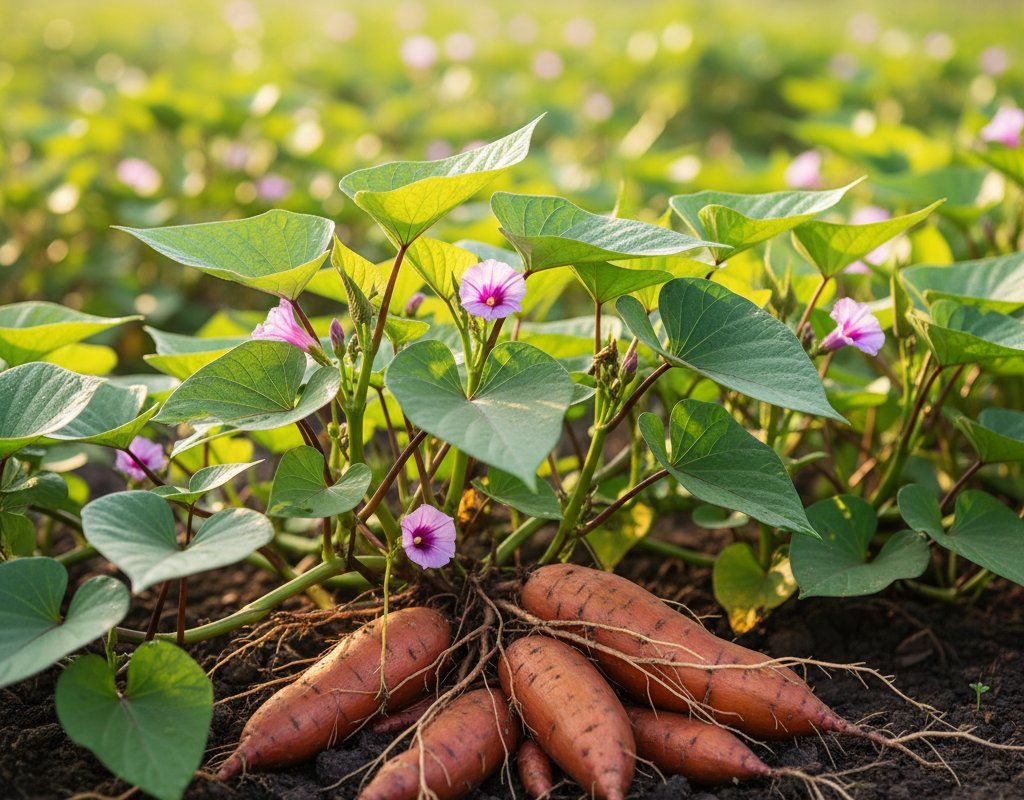
Sweet Potato in Zone 3B — Great Plains
Ipomoea batatas · Your Complete 2026 Planting Guide
Planning Ahead — Great!
You’re ahead of the season. Here’s when to start.
Mark Your Calendar
How to Plant Sweet Potato in Zone 3B — Great Plains
Here are all your options for getting sweet potato in the ground, from the easiest method to more advanced approaches.
Buy Starts
RecommendedEarly to mid June
around June 10
Plant purchased starts after last frost (May 20).
Plant slips (rooted sprouts) after soil is warm. Buy slips or grow your own from a sweet potato.
Start Seeds Indoors
Works WellEarly to late April
around April 15
Then transplant: Early to mid June
Start seeds 8-10 weeks before transplanting outdoors.
Direct Sow Seeds
ChallengingDirect sowing is not typical for Sweet Potato.
Transplant Outdoors
Timing InfoEarly to mid June
around June 10
Wait until nighttime temperatures stay above 50°F.
Timing is critical in your zone — don’t delay!
Overview
Sweet potatoes offer Plains gardeners something special — a heat-loving crop that actually thrives in our intense summer sunshine and handles our occasional dry spells better than most vegetables. These nutritious tubers store beautifully through our long winters and provide versatility in the kitchen that makes the growing effort worthwhile. With our fertile prairie soil and abundant sunshine, you can grow sweet potatoes with excellent flavor and good yields.
Growing sweet potatoes in Zone 3B requires working with our short 118-day growing season, but the timing is completely manageable with the right approach. Our variable spring weather and potential for early fall frost mean you'll need to start indoors and plan your harvest carefully, but sweet potatoes are surprisingly well-suited to our hot summers and low humidity once established.
Starting Seeds Indoors
Most Plains gardeners purchase sweet potato slips rather than starting from seed, but growing your own slips from a store-bought sweet potato is actually the more common approach. Start this process in early to late April, about 8 weeks before you plan to transplant outdoors. Place a sweet potato in a jar with the bottom half submerged in water, keep it in a warm spot (75-80°F), and shoots will emerge that you can twist off and root separately.
If you do start from seed, use seed trays with good drainage and keep soil consistently moist using bottom watering — this prevents the delicate seedlings from getting waterlogged. Sweet potato seeds need warm soil (75-80°F) to germinate well, so consider using a heat mat during our variable spring weather. Our unpredictable late spring conditions make indoor starting essential rather than optional.
Transplanting Outdoors
Transplant your sweet potato slips outdoors in early to mid-June, after soil temperatures have warmed to at least 60°F and all danger of frost has passed. Our soils here take time to warm up thoroughly, and sweet potatoes are extremely frost-tender, so patience pays off. Space your slips 12-18 inches apart in rows, giving them room to spread their vines across the prairie soil.
Harden off your slips gradually over a week before transplanting, starting with a few hours of outdoor exposure and building up to full days. Our June weather can bring sudden temperature swings and strong winds, so choose a calm period for transplanting when possible. Plant slips deep, burying about two-thirds of the stem, which encourages strong root development in our well-draining prairie soil.
Watering Sweet Potato in Zone 3B (Great Plains)
Sweet potatoes need moderate water to get established but become remarkably drought-tolerant once their root systems develop — a perfect match for our variable Plains rainfall. Water deeply once or twice per week during the first month, providing about 1 inch of water weekly through early summer. Our hot, dry air means you'll need to water more frequently than gardeners in humid climates, but less than you might expect.
Use the finger test regularly: stick your finger 2 inches into the soil, and water only when it feels dry at that depth. Sweet potatoes prefer consistent moisture rather than feast-or-famine cycles, which our variable summer rainfall patterns can create. Water at the base of plants rather than overhead to make the most of our low-to-moderate humidity and reduce evaporation losses.
During our hottest weeks when temperatures hit the 90s, you may need to water three times per week, especially if rainfall is sparse. Watch for signs of stress: wilting that doesn't recover in the evening indicates underwatering, while yellowing leaves often signal too much moisture. Apply a 2-3 inch layer of grass clippings or straw mulch to maintain even soil moisture and protect roots from our intense summer heat.
Reduce watering significantly 3-4 weeks before your planned harvest in mid-September. This helps concentrate sugars in the tubers and prevents them from getting waterlogged during the curing process.
🧪Fertilizing Sweet Potato
Feeding Schedule
Organic Fertilizer Options
Harvest Time
Your sweet potatoes will be ready for harvest in mid-September, right around our first frost date — timing that requires close attention to weather forecasts. Unlike tomatoes or peppers, sweet potatoes cannot tolerate any frost whatsoever, so harvest them before that first cold snap hits. The tubers continue developing right up until frost threatens, so don't harvest too early.
Look for yellowing vines as your harvest indicator, but don't wait for them to die back completely if frost is approaching. Dig carefully with a spading fork, working from the side rather than directly above the plant to avoid spearing the tubers. Our prairie soil can be quite firm by fall, so water the area lightly a day before harvest if conditions are very dry.
Handle sweet potatoes gently during harvest — any cuts or bruises will lead to storage problems later. Brush off soil but don't wash them immediately. Cure your freshly dug sweet potatoes in a warm (80-85°F), humid location for 10-14 days to develop their full sweetness and improve storage life.
With our short growing season, you get one harvest per year, but properly cured sweet potatoes store for months in a cool, dark place — perfect for surviving our long Plains winter with homegrown nutrition.
Common Problems in Zone 3B (Great Plains)
Sweet Potato Weevils Look for small, dark beetles about 1/4 inch long with distinctive snouts, plus white grubs tunneling through your tubers. You'll notice entry holes in the sweet potatoes and dark, bitter-tasting tunnels inside. These pests thrive in our warm summer conditions but struggle with our cold winters, which helps limit their populations compared to southern regions. Crop rotation is your best defense — don't plant sweet potatoes in the same spot for at least three years. Remove all plant debris after harvest and consider beneficial nematodes if you've had problems before.
Wireworms These thin, hard-bodied larvae create small holes in sweet potato tubers and tunnel through the flesh, making storage difficult. Wireworms are particularly problematic in prairie soil that was recently in grass or if you're converting lawn to garden space. They're more active during our cool, moist spring conditions but damage continues through summer. Till soil several times before planting to expose larvae to predators, and consider using cut potato pieces as trap crops that you remove and destroy weekly.
Cracking Sweet potato tubers split open, creating openings that invite rot and storage problems. Our variable Plains rainfall patterns create the perfect conditions for this — extended dry periods followed by heavy rain or irrigation cause tubers to absorb water faster than their skin can expand. This is especially common during our typical late-summer weather swings. Maintain consistent soil moisture through mulching and regular watering rather than letting plants dry out completely between waterings. Harvest promptly when tubers are mature rather than leaving them in the ground hoping for more growth.
Great Plains Specific Challenges: Our combination of intense heat, low-to-moderate humidity, and unpredictable rainfall creates unique growing conditions for sweet potatoes. While they love our heat and sunshine, the rapid moisture swings from drought to downpour can stress plants. Wind protection becomes important once vines start spreading to prevent damage during our frequent storms.
Best Companions for Sweet Potato
Plant these nearby for healthier Sweet Potato and better harvests.


Keep Away From
Companion Planting Details
Sweet potatoes work well with the traditional "three sisters" — beans and corn — in Plains gardens, though you'll need to plan spacing carefully to accommodate the sprawling vines. Plant bush beans nearby to fix nitrogen in the soil, which sweet potatoes can use without encouraging excessive leaf growth at the expense of tuber development. Corn provides natural wind protection for the tender vines, which is valuable given our frequent summer storms and gusty conditions.
Sweet potatoes have no significant bad companions, making them easy to fit into crop rotations and mixed plantings. Their sprawling habit means they'll eventually shade out most weeds, and their deep roots don't compete heavily with shallow-rooted crops. Just give them adequate space — 12-18 inches minimum — and let them spread naturally across your prairie soil.
🌸Best Flowers to Plant with Sweet Potato
These flowers protect your Sweet Potato from pests and attract pollinators for better harvests.
For Pest Control




Get a Reminder When It's Time to Plant
We'll email you when key planting windows open for your zone.