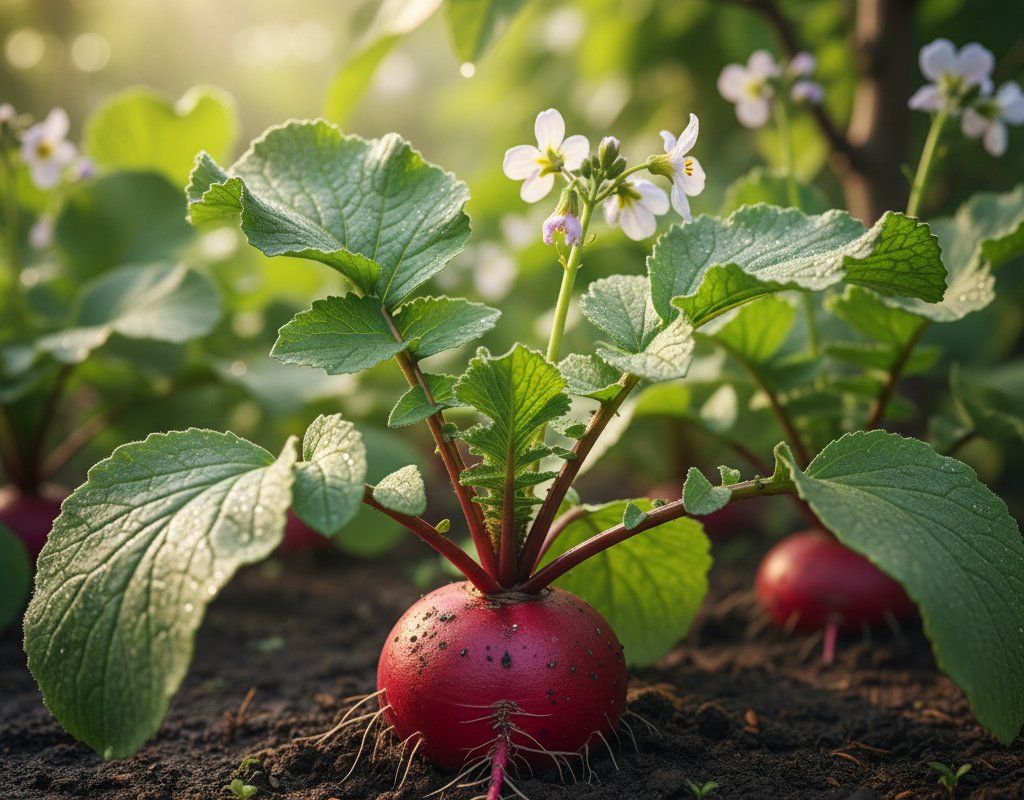
Radish in Zone 5A — Midwest
Raphanus sativus · Your Complete 2026 Planting Guide
Planning Ahead — Great!
You’re ahead of the season. Here’s when to start.
Mark Your Calendar
How to Plant Radish in Zone 5A — Midwest
Here are all your options for getting radish in the ground, from the easiest method to more advanced approaches.
Direct Sow Seeds
RecommendedEarly April through late August
around April 3
Consider succession planting every 2-3 weeks for continuous harvest.
Fast-growing and easy. No reason to start indoors.
Buy Starts
Works WellEarly April through mid May
around April 3
Plant purchased starts after last frost (May 1).
Start Seeds Indoors
ChallengingThis plant is typically not started indoors.
Transplant Outdoors
Timing InfoEarly April through mid May
around April 3
Can tolerate light frost, but wait for soil to be workable.
You have a nice window — no need to rush.
Fall Planting
Early August through early September
August 24 ideal · Direct sow for fall harvest
Plant a second crop in mid-summer for fall harvest. Radish actually prefers the cooling temperatures of fall.
Overview
Radishes are the perfect confidence-builder for Midwest gardeners, especially if you're looking for quick satisfaction from your Zone 5A garden. In our fertile soil and moderate growing conditions, these crisp little roots go from seed to harvest in just 25 days, giving you fresh, peppery bites long before your tomatoes even think about ripening. The Midwest's reliable spring moisture and decent summer rainfall create ideal conditions for growing radishes with that perfect balance of mild heat and satisfying crunch.
While our variable spring weather and occasional summer heat spells can challenge longer-season crops, radishes actually thrive in this climate. With our 157-day growing season, you can squeeze in multiple plantings from early spring through late summer, working around those unpredictable temperature swings that make Midwest gardening interesting. The key is understanding when to plant for the best results.
Transplanting Outdoors
While you technically can transplant radishes in the Midwest from early April through mid May, there's really no good reason to bother with this extra step. Radishes have a taproot that doesn't appreciate being disturbed, and transplanted radishes often end up stunted or misshapen compared to their direct-sown cousins.
If you do decide to transplant seedlings (maybe you started them indoors during a late cold snap), harden them off gradually over a week before planting out. Space them 2-4 inches apart in rows, being extremely gentle with the roots. Watch for those surprise late frosts we sometimes get in early May – even though radishes are quite cold-hardy, young transplants are more vulnerable than established plants.
Your transplants will need consistent moisture as they recover from the move, which usually isn't a problem given our spring rainfall patterns. Still, direct sowing is the way to go with radishes in our region.
Direct Sowing
Direct sowing is absolutely the best way to grow radishes in the Midwest, and it couldn't be simpler. You can start sowing from early April through late August, taking advantage of our long growing season and fertile soil. The beauty of radishes is they'll germinate in soil as cool as 45°F, so you can get them in the ground while more tender crops are still waiting for warmer weather.
Prepare your planting area by loosening the soil to about 6 inches deep – this is especially important if you're dealing with our region's clay soil. Radishes need loose soil to develop properly shaped roots. Sow seeds about half an inch deep and 2-4 inches apart in rows. The seeds are large enough to handle easily, making spacing straightforward.
For continuous harvests throughout the season, plant new rows every two weeks from spring through late summer. Skip planting during the hottest part of summer (typically mid-July through early August) when heat stress can make radishes woody and overly spicy. Resume planting in late August for a sweet fall crop that'll be ready before our first frost in early October.
Watering Radish in Zone 5A (Midwest)
Radishes need consistent moisture to develop those crisp, mildly peppery roots we're after – drought stress turns them woody and fiery hot. In the Midwest's moderate-to-humid climate with our typical summer highs around 86°F, you'll need to pay attention to watering even though we usually get decent rainfall.
During our wet spring months, natural rainfall often provides the inch of water per week that radishes prefer. Check soil moisture by sticking your finger 2 inches deep – if it's dry at that level, it's time to water. In our clay-heavy soils, water deeply but less frequently to encourage roots to grow down rather than staying shallow.
Summer heat spells require more attention, especially since radishes mature so quickly. Water at the base of plants early morning to minimize evaporation and reduce disease risk in our moderate-to-humid conditions. With our 30-40 inches of annual rainfall, you'll mainly need supplemental watering during dry spells or when growing fall crops after the summer rains taper off.
A thin layer of mulch helps retain moisture and keeps roots cool during summer plantings, but don't pile it too thick in our humid climate where it can encourage fungal problems. Signs of underwatering include cracked roots and excessive heat, while overwatering in clay soil can cause roots to rot or split.
🧪Fertilizing Radish
Feeding Schedule
Organic Fertilizer Options
Harvest Time
Your first radishes will be ready for harvest from late April through mid October, depending on when you planted. With our 25-day maturity window, you can count backward from planting to know approximately when to start checking. Spring radishes are usually the mildest and most tender, while fall crops grown in cooler weather develop excellent flavor.
Look for the shoulders of the radish pushing above the soil surface as your first clue they're sizing up. Pull a test radish when it reaches about 1 inch in diameter for spring types – they should pop out of our loose, fertile soil easily. The roots should feel firm and have bright, crisp flesh when you bite into them.
Don't leave radishes in the ground too long, especially during summer heat spells when they can turn woody and pithy within days of reaching maturity. Unlike some root vegetables, radishes won't hold their quality once mature and need to be harvested promptly.
As first frost approaches in early October, harvest any remaining radishes since they won't survive hard freezes. The good news is fall radishes often have the best flavor and crispness, making them worth timing specifically for late-season harvest before winter shuts down the garden.
Common Problems in Zone 5A (Midwest)
Flea Beetles Small round holes that look like buckshot scattered across radish leaves are the telltale sign of flea beetles. These tiny, dark beetles jump like fleas when disturbed and are most damaging to young seedlings when they're trying to establish. In the Midwest, they're typically worst during warm spring days following our variable weather patterns.
The damage comes from adult beetles feeding on leaf surfaces, which weakens young plants and can stunt root development. Row covers during the first few weeks after germination provide excellent protection. You can also delay planting until late spring when plants grow faster and outpace the damage, or try interplanting with basil which seems to repel them.
Root Maggots Tunneling and brown scarring in radish roots, often with small white maggots visible inside, indicates root maggot damage. These pests are particularly problematic in our rich, organic soils where adults lay eggs near the base of plants. Cool, wet spring weather – common in the Midwest – creates perfect conditions for these pests.
The maggots are the larvae of small flies that are attracted to freshly worked soil and organic matter. Prevent problems by avoiding fresh manure applications right before planting, and consider row covers during peak egg-laying periods in late spring. Crop rotation helps break the cycle since they overwinter in soil.
Pithy Roots Radishes that feel spongy or have hollow centers instead of crisp, solid flesh are suffering from inconsistent watering or heat stress. This is especially common during our summer heat spells when soil moisture fluctuates dramatically between rainstorms.
The root cause is usually irregular watering combined with hot weather, which causes rapid cell expansion and breakdown. In our clay soils, this problem is worse because of uneven moisture retention. Maintain consistent soil moisture through mulching and regular watering during dry periods, and avoid planting during the hottest summer weeks.
Midwest Specific Challenges Our moderate-to-hot summers with humid conditions can create perfect storm situations for radish problems. The combination of wet-summer rainfall followed by hot, humid days stresses plants and encourages both pest and disease issues. Focus on timing plantings for cooler periods and maintaining good air circulation around plants.
Best Companions for Radish
Plant these nearby for healthier Radish and better harvests.


Keep Away From
Companion Planting Details
Radishes make excellent companions for several crops in Midwest gardens, particularly carrots where they help break up clay soil and mark planting rows since radishes germinate much faster. Plant them alongside lettuce for efficient space use – the radishes will be harvested long before lettuce needs the room. Peas and radishes work well together in spring plantings since both prefer cool weather and peas can provide light shade during unexpected warm spells.
Cucumbers benefit from radish companions because radishes may help repel cucumber beetles, and their quick harvest clears space just as cucumber vines start spreading. Avoid planting radishes near hyssop, which can stunt their growth and affect flavor. The quick turnaround time of radishes makes them perfect gap-fillers between slower crops in our productive Midwest growing season.
🌸Best Flowers to Plant with Radish
These flowers protect your Radish from pests and attract pollinators for better harvests.


Get a Reminder When It's Time to Plant
We'll email you when key planting windows open for your zone.