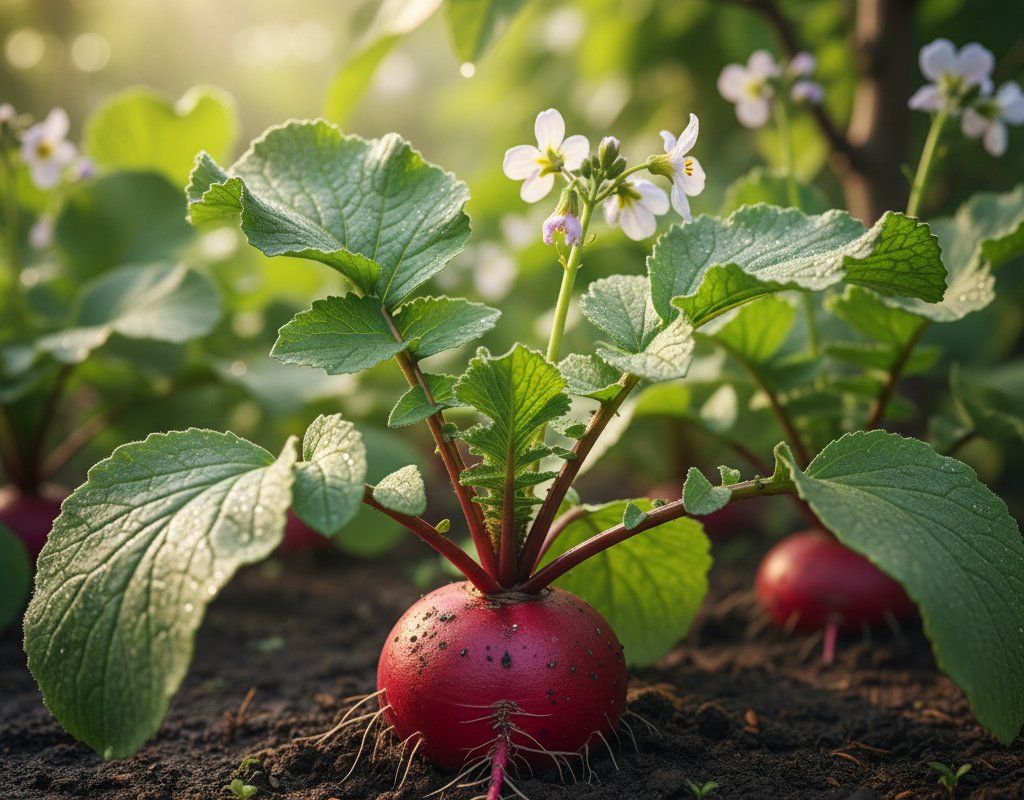
Radish in Zone 6A — Great Plains
Raphanus sativus · Your Complete 2026 Planting Guide
Planning Ahead — Great!
You’re ahead of the season. Here’s when to start.
Mark Your Calendar
How to Plant Radish in Zone 6A — Great Plains
Here are all your options for getting radish in the ground, from the easiest method to more advanced approaches.
Direct Sow Seeds
RecommendedMid March through mid September
around March 18
Consider succession planting every 2-3 weeks for continuous harvest.
Fast-growing and easy. No reason to start indoors.
Buy Starts
Works WellMid March through late April
around March 18
Plant purchased starts after last frost (April 15).
Start Seeds Indoors
ChallengingThis plant is typically not started indoors.
Transplant Outdoors
Timing InfoMid March through late April
around March 18
Can tolerate light frost, but wait for soil to be workable.
You have a nice window — no need to rush.
Fall Planting
Late August through late September
September 8 ideal · Direct sow for fall harvest
Plant a second crop in mid-summer for fall harvest. Radish actually prefers the cooling temperatures of fall.
Overview
Radishes are pure gardening satisfaction in the Great Plains — from seed to salad bowl in just 25 days, even when our growing season feels unpredictable. These crisp, peppery roots thrive in our intense sunshine and don't mind the temperature swings that make other crops sulk. They're perfect for filling gaps between slower crops or for getting kids excited about gardening when everything else seems to take forever.
Our Plains climate can throw curveballs with late spring freezes and scorching summer heat, but radishes are surprisingly forgiving. With our 188-day growing season, you have multiple opportunities to succeed — plant them early when the soil is still cool, again in late summer when temperatures drop, and even squeeze in a quick crop between your main plantings.
Transplanting Outdoors
While you can transplant radish seedlings in the Great Plains from mid-March through late April, there's honestly little reason to bother. These fast-growing roots prefer going straight into the ground where they won't face transplant shock during our unpredictable spring weather.
If you do choose to transplant, harden off your seedlings gradually over a full week. Our Plains winds can be brutal on tender transplants, so start with just an hour of outdoor exposure and build up slowly. Space them 2-4 inches apart once they're established.
The biggest challenge during transplant season is our notorious temperature swings — it might be 70°F one day and 35°F the next. Keep row covers handy to protect newly transplanted seedlings when those inevitable cold snaps roll through in early spring.
Direct Sowing
Direct sowing is absolutely the way to go with radishes in the Great Plains. You can plant from mid-March through mid-September, giving you multiple harvest opportunities throughout our growing season. Wait until soil temperature hits 40°F — it doesn't need to be warm, just workable and not frozen solid.
Plant seeds ½ inch deep in loose, well-draining soil. Our prairie soil is naturally fertile, but radishes appreciate a bit of compost worked in if your soil is heavy clay. Space seeds 2-4 inches apart, or plant more densely and thin as they grow. The thinned baby radishes are excellent in salads.
The beauty of radishes in our climate is their speed — they'll be ready before our summer heat really kicks in if you plant early, or they'll mature in the cooler weather of fall. No need for indoor starting when they grow this fast outdoors, and they actually prefer the consistent soil temperature to the temperature swings they'd face going from indoors to our variable spring weather.
Watering Radish in Zone 6A (Great Plains)
Consistent moisture is absolutely critical for growing crisp, mild radishes in our Plains climate. Unlike drought-tolerant crops that can handle our dry spells, radishes need steady water throughout their short 25-day growing period. When they get stressed by inconsistent watering, they turn pithy and fiery-hot — not the crisp, refreshing bite you're after.
Water deeply twice a week rather than light daily watering, giving them about 1 inch total per week. Check soil moisture with your finger pushed 2 inches down — if it's dry at that depth, it's time to water. Our low-to-moderate humidity means water evaporates quickly, especially when combined with our ever-present wind.
Water at soil level rather than overhead to reduce evaporation and keep water where the roots need it. This is especially important during our hot summers when overhead watering just feeds the wind and sun. A thin layer of straw mulch helps retain moisture and keeps the soil temperature more consistent, which radishes appreciate.
Watch for signs of water stress: leaves looking dull or slightly wilted by afternoon, or roots that feel spongy rather than firm and crisp. Overwatering shows up as splitting roots or overly lush leaf growth with small, weak roots below. In our variable rainfall climate, you'll need to adjust your watering schedule based on what nature provides — some weeks you won't need to water at all.
🧪Fertilizing Radish
Feeding Schedule
Organic Fertilizer Options
Harvest Time
Your first radishes will be ready from mid-April through late October, depending on when you planted them. These speedy crops mature in just 25 days, making them one of the most satisfying vegetables to grow in our sometimes-challenging Plains climate. You'll know they're ready when the shoulders start pushing above the soil surface.
Pull radishes when they're about 1 inch in diameter for the classic spring types — any larger and they start getting woody and overly pungent. Give them a gentle tug straight up; they should come out easily with their taproot intact. If you meet resistance, the soil might be too dry or compacted.
Don't leave mature radishes in the ground too long, especially as our summer heat builds. They'll quickly become pithy and inedible once they're past their prime. Unlike some crops that can wait for harvest, radishes have a narrow window of perfect eating quality.
As our first frost approaches in mid-October, harvest any remaining fall-planted radishes. They can handle light frost just fine, but a hard freeze will damage the roots. You can extend the season slightly with row covers, but honestly, with their fast maturity, it's easier to plant a final succession crop in early September for fresh radishes right up to frost.
Common Problems in Zone 6A (Great Plains)
Flea Beetles
Small round holes peppered across radish leaves — what looks like someone took a tiny shotgun to your plants — signal flea beetles. These tiny, dark beetles jump like fleas when you disturb the plants and can devastate young seedlings. You'll see the worst damage in spring when temperatures start warming but plants are still small and vulnerable.
These jumping pests thrive in our Plains climate, especially during warm spells followed by cooler weather. Row covers during the first few weeks after germination protect seedlings during their most vulnerable stage. You can also delay planting until soil warms more and plants grow faster, or dust young plants with kaolin clay to make leaves less appealing.
Root Maggots
If your radish plants look stunted with yellowing leaves, and you find small white maggots tunneling through the roots when you pull them up, you've got root maggots. These fly larvae burrow into developing radishes, creating brown tunnels that make the roots inedible. The damage often doesn't show above ground until it's too late.
Cool, moist conditions favor root maggot development, which matches our spring planting season perfectly. Crop rotation helps — don't plant radishes or other brassicas in the same spot year after year. Row covers prevent adult flies from laying eggs near your plants, and beneficial nematodes applied to soil can help control the larvae.
Pithy Roots
Nothing's more disappointing than pulling what looks like a perfect radish only to find it's spongy, dry, and almost inedible inside. Pithy roots are usually the result of inconsistent watering, excessive heat, or leaving radishes in the ground too long past maturity. In our Plains climate, this becomes a bigger issue during summer heat waves.
Prevent pithy radishes by maintaining consistent soil moisture throughout their growing period and harvesting right on time. Plant successive crops rather than trying to stretch one planting through changing conditions. During hot weather, provide some afternoon shade if possible, or focus your radish growing on spring and fall when temperatures are more moderate.
Great Plains Specific Challenges
Our combination of intense summer heat, variable rainfall, and persistent wind creates unique challenges for radish growing. The rapid temperature swings can stress plants just as they're developing their roots, while our low-to-moderate humidity means soil dries out faster than in more humid regions. Wind protection during the seedling stage and careful attention to watering schedules become even more critical here than in more stable climates.
Best Companions for Radish
Plant these nearby for healthier Radish and better harvests.


Keep Away From
Companion Planting Details
Radishes make excellent companions for carrots in Plains gardens — they germinate quickly and help break up compacted soil for the slower-growing carrots that follow. Plant them together and harvest the radishes just as the carrots need more room to develop. Lettuce provides natural ground cover that helps retain soil moisture, which both crops appreciate in our dry climate.
Peas and radishes work well together since peas fix nitrogen that benefits the leafy growth of radishes, while the radishes are harvested before they compete for space. Cucumbers planted near radishes may benefit from the natural pest deterrent properties of the radish leaves. Avoid planting radishes near hyssop, which can inhibit their growth and development — not something you want when you're working with such a short growing window.
🌸Best Flowers to Plant with Radish
These flowers protect your Radish from pests and attract pollinators for better harvests.



Get a Reminder When It's Time to Plant
We'll email you when key planting windows open for your zone.