
Carrot in Zone 6A — Great Plains
Daucus carota · Your Complete 2026 Planting Guide
Planning Ahead — Great!
You’re ahead of the season. Here’s when to start.
Mark Your Calendar
How to Plant Carrot in Zone 6A — Great Plains
Here are all your options for getting carrot in the ground, from the easiest method to more advanced approaches.
Direct Sow Seeds
RecommendedEarly April through late July
around April 1
Consider succession planting every 2-3 weeks for continuous harvest.
Carrots have a taproot and don't transplant. Direct sow only.
Buy Starts
Works WellEarly to late April
around April 1
Plant purchased starts after last frost (April 15).
Start Seeds Indoors
ChallengingThis plant is typically not started indoors.
Transplant Outdoors
Timing InfoEarly to late April
around April 1
Can tolerate light frost, but wait for soil to be workable.
You have a nice window — no need to rush.
Fall Planting
Early August through early September
August 18 ideal · Direct sow for fall harvest
Plant a second crop in mid-summer for fall harvest. Carrot actually prefers the cooling temperatures of fall.
Overview
Growing carrots in our Zone 6A Great Plains region offers the perfect combination of our intense Prairie sunshine and fertile soil to produce incredibly sweet, crisp roots that far surpass anything you'll find at the grocery store. Our long 188-day growing season allows for multiple plantings, letting you enjoy fresh carrots from early summer through late fall, while our low humidity keeps disease pressure minimal—a real advantage over more humid regions.
The Plains can throw some curveballs with sudden temperature swings and variable rainfall, but carrots are surprisingly adaptable once you understand the timing. Since they're frost-hardy and prefer our cooler spring and fall weather anyway, you can work around our extreme summer heat by planning strategically through the season.
Transplanting Outdoors
While carrots can technically be transplanted in early to late April, I'll be honest—this isn't the best approach for carrots in our region. Carrots develop a long taproot that doesn't appreciate being disturbed, and transplant shock often results in forked or stunted roots that never reach their potential in our prairie soil.
If you must transplant (perhaps you started seeds indoors during a late cold snap), harden them off gradually over a week and get them in the ground while they're still quite small. Space them 2-3 inches apart and expect some root deformity. Our spring winds can be brutal on young transplants, so provide wind protection with row covers or temporary barriers.
The reality is that direct sowing works so much better for carrots here that transplanting is rarely worth the effort. Save yourself the hassle and sow directly when soil conditions are right.
Direct Sowing
Direct sowing is absolutely the way to grow carrots in our Great Plains climate, and you have a generous window from early April through late July to keep plantings going. Start your first sowing when soil temperatures reach 45°F and the ground is workable—usually early to mid-April here. The key is loose, rock-free soil worked to at least 8 inches deep, since compacted prairie soil will cause forking.
Sow seeds 2-3 inches apart in rows, covering with just 1/4 inch of fine soil or compost. Carrot seeds are tiny and take their sweet time germinating—often 2-3 weeks in our variable spring weather. Keep that soil consistently damp during germination with light, frequent watering or a board laid over the row to retain moisture.
For continuous harvest, make successive sowings every 2-3 weeks through July. Your fall plantings (early August through early September) often produce the sweetest carrots, since our cool fall nights and intense sun create perfect growing conditions before our first frost arrives in mid-October.
Watering Carrot in Zone 6A (Great Plains)
Consistent moisture is absolutely critical for carrots, especially during our hot Plains summers where temperatures regularly hit 93°F and our low-to-moderate humidity means soil dries quickly. During germination, keep soil consistently damp for 2-3 weeks—this is non-negotiable since carrot seeds are slow to sprout and will fail completely if they dry out.
Once established, carrots need about 1 inch of water weekly, but here's where our variable rainfall (15-35 inches annually) makes planning tricky. Check soil moisture with the finger test—stick your finger 2 inches deep, and if it's dry, it's time to water. During our intense summer heat, you may need to water every 2-3 days to maintain consistent moisture.
Water at soil level rather than overhead to avoid encouraging leaf diseases, though our low humidity gives us more flexibility than gardeners in muggy climates. The key is even watering throughout the growing season—inconsistent moisture causes cracking and splitting, especially when heavy rain follows a dry spell (common here).
A 2-inch layer of straw mulch helps tremendously in our windy, dry climate, conserving moisture and keeping soil temperatures more stable during our extreme temperature swings. Just pull it back slightly from the carrot shoulders as they develop to prevent green tops.
🧪Fertilizing Carrot
Feeding Schedule
Organic Fertilizer Options
Harvest Time
Your first carrots will be ready from early June through late October, depending on when you planted and which variety you chose. Most varieties mature in about 70 days, so plan accordingly from your sowing date. The beauty of carrots is you can start harvesting when they're finger-sized for baby carrots, or wait for full maturity.
Look for carrot shoulders (tops) pushing up about 3/4 inch diameter at soil level—this tells you there's a decent-sized root below. The tops should be bright green and healthy. To harvest, loosen the soil around the carrot first with a garden fork to avoid snapping the root, especially in our sometimes-heavy prairie soil.
Fall-planted carrots often taste sweetest since our cool nights convert starches to sugars. You can leave them in the ground well past maturity—they'll actually improve in flavor until our first hard frost in mid-October. After that, harvest everything at once for storage.
Don't try to ripen carrots after pulling them green—what you see is what you get. A carrot that's not ready won't develop further once harvested, so patience pays off in our relatively long growing season.
Common Problems in Zone 6A (Great Plains)
Forking This shows up as carrots that split into multiple "legs" or grow in twisted, deformed shapes instead of straight, single roots. In our Great Plains region, this commonly happens when roots hit rocks or hardpan in unimproved prairie soil, or when fresh manure has been added to the bed. Our clay-heavy soils can also cause problems if not properly amended.
Fix this by working your soil deeply—at least 10 inches—and removing all rocks and debris. Add compost rather than fresh manure, and consider raised beds filled with loose potting mix for problem areas. Choose shorter varieties like Paris Market if you're dealing with heavy clay that's hard to improve.
Carrot Rust Fly You'll see rusty brown tunnels and holes in your carrot roots, along with small dark flies hovering around plants. Leaves may wilt despite adequate watering. The fly larvae tunnel through roots, making them inedible. This pest is less common in our windy Plains climate but can still be problematic.
Row covers provide the best protection—install them right after seeding and keep them on until harvest. Our strong winds actually help by disrupting fly activity, but don't count on that alone. Interplanting with onions helps mask the carrot scent that attracts flies. Avoid thinning during peak fly season (late spring) since bruised carrot leaves release attractive odors.
Green Shoulders The top portions of carrots turn green where they push above soil level and get exposed to our intense Prairie sunshine. While safe to eat, these green areas taste bitter and look unappealing.
Hill soil or mulch over exposed carrot tops as they develop throughout the season. Our strong sun makes this more of an issue than in cloudy climates, so stay vigilant. Check your rows weekly and cover any exposed shoulders with soil or straw mulch.
Great Plains Specific Challenges: Our combination of intense heat, drying winds, and variable rainfall means consistent watering becomes your biggest challenge with carrots. The extreme temperature swings can also stress plants, while our occasional hail storms can shred carrot tops overnight—though the roots usually survive for harvest.
Best Companions for Carrot
Plant these nearby for healthier Carrot and better harvests.

Keep Away From
Companion Planting Details
Lettuce makes an excellent companion for carrots in our Plains climate since it provides living mulch that helps conserve moisture during our hot, dry summers. The lettuce is ready to harvest about when carrots need more space, creating perfect timing. Onions planted nearby help deter carrot rust fly with their strong scent—particularly useful since our winds can carry these pests from neighboring areas.
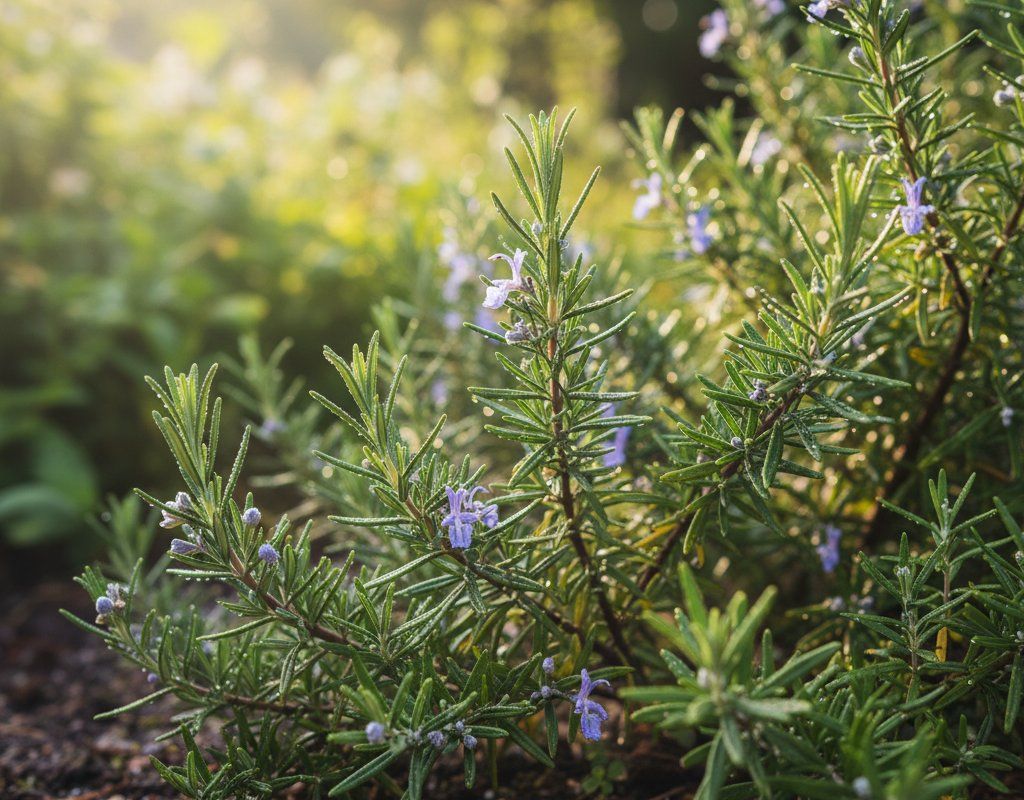
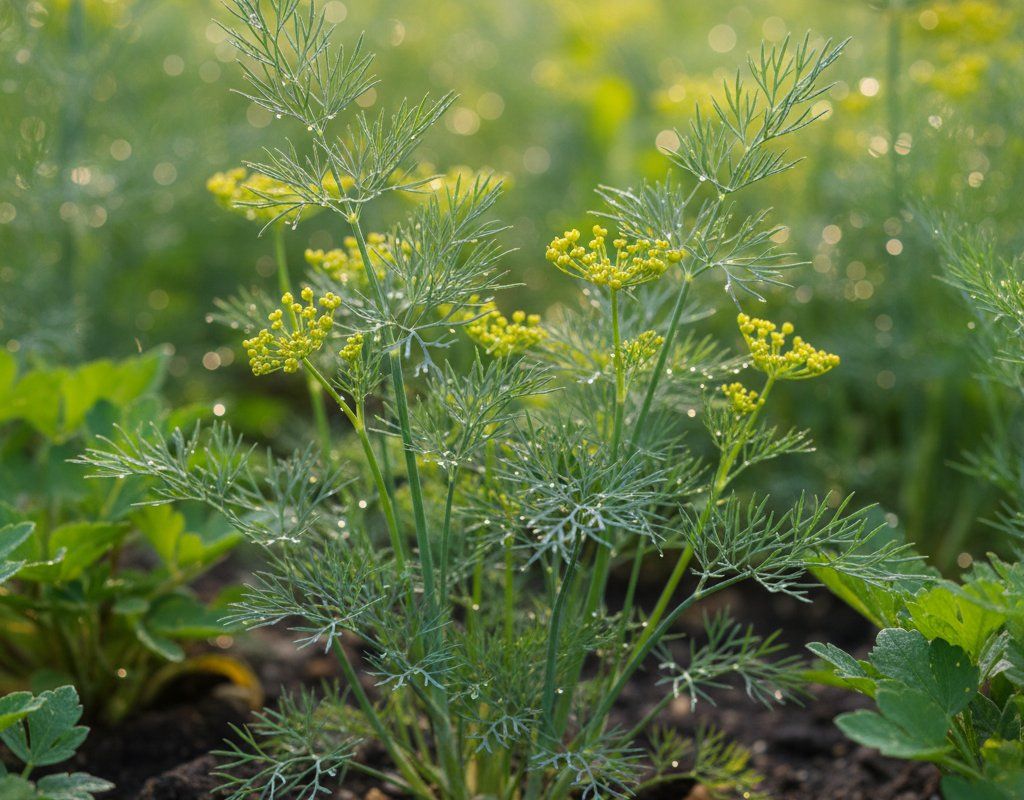
Tomatoes work well with carrots since they have different root depths and the carrot roots can help break up compacted soil for the tomatoes' benefit. Rosemary planted at row ends helps repel various pests while thriving in our dry conditions. Avoid planting dill near carrots since it can attract harmful insects and may inhibit carrot growth. Also skip parsnips as companions—they're in the same family and compete for similar nutrients while potentially sharing disease problems.
🌸Best Flowers to Plant with Carrot
These flowers protect your Carrot from pests and attract pollinators for better harvests.


Get a Reminder When It's Time to Plant
We'll email you when key planting windows open for your zone.