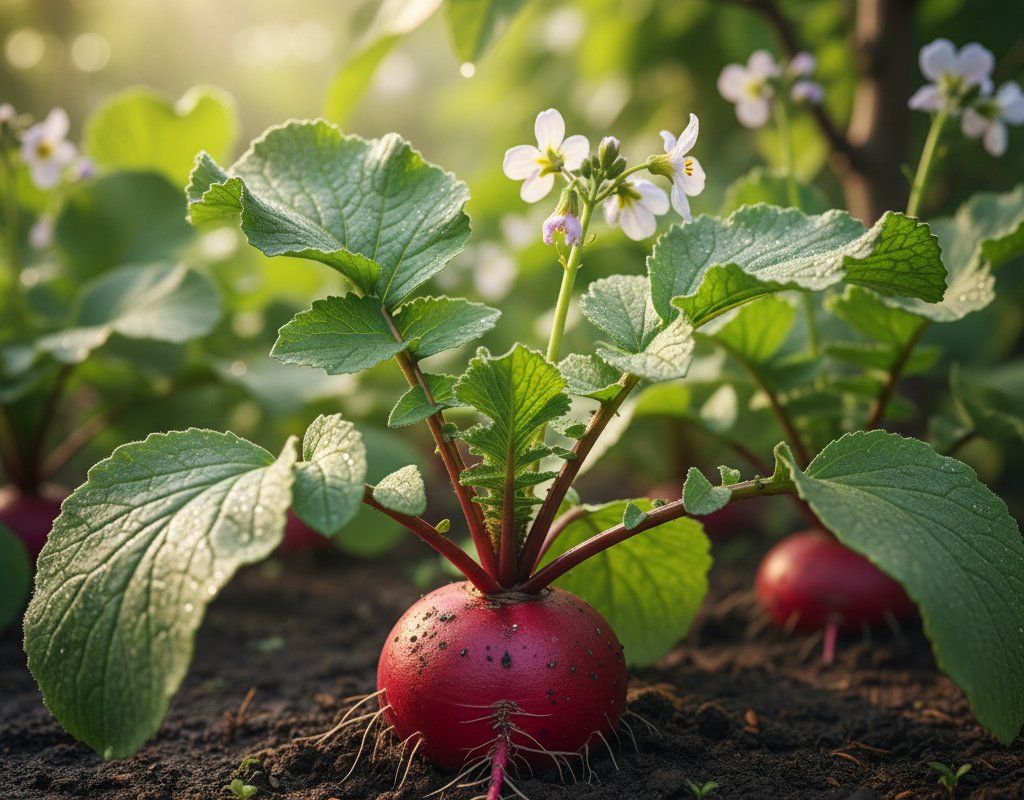
Radish in Zone 6A — Pacific Northwest
Raphanus sativus · Your Complete 2026 Planting Guide
Planning Ahead — Great!
You’re ahead of the season. Here’s when to start.
Mark Your Calendar
How to Plant Radish in Zone 6A — Pacific Northwest
Here are all your options for getting radish in the ground, from the easiest method to more advanced approaches.
Direct Sow Seeds
RecommendedMid April through late August
around April 12
Consider succession planting every 2-3 weeks for continuous harvest.
Fast-growing and easy. No reason to start indoors.
Buy Starts
Works WellMid April through late May
around April 12
Plant purchased starts after last frost (May 10).
Start Seeds Indoors
ChallengingThis plant is typically not started indoors.
Transplant Outdoors
Timing InfoMid April through late May
around April 12
Can tolerate light frost, but wait for soil to be workable.
You have a nice window — no need to rush.
Fall Planting
Early August through early September
August 24 ideal · Direct sow for fall harvest
Plant a second crop in mid-summer for fall harvest. Radish actually prefers the cooling temperatures of fall.
Overview
Radishes are perfect for our Pacific Northwest gardens, offering the satisfaction of ultra-fast results in our 148-day growing season. These crisp, peppery roots mature in just 25 days, making them ideal for succession planting throughout our mild summers and taking advantage of our excellent cool-season growing conditions. Our cool nights help develop that perfect crisp texture, while the moderate temperatures prevent the excessive heat that makes radishes woody and bitter.
With our wet springs that can delay garden starts and occasional temperature swings, radishes offer reliable quick wins. Our dry summer months mean you'll need to stay on top of watering to prevent pithy, overly hot roots, but the fast turnaround makes this crop manageable even for beginning gardeners.
Transplanting Outdoors
While radishes can technically be transplanted, there's really no need to start these indoors in the Pacific Northwest. Radishes are hardy and germinate quickly in cool soil, making direct seeding the preferred method. If you do have transplants from a nursery or started some by accident, you can transplant them outdoors from mid-April through late May.
Harden off any transplants gradually over a week, starting with 2-3 hours of outdoor exposure and building up to full days. Our overcast spring days make this process easier than in sunnier climates. Space plants 2-4 inches apart in loose, well-draining soil.
The main transplant concern in our region is the potential for late spring cold snaps, though radishes handle these well as hardy crops. Still, having row covers on hand during those first few weeks outdoors provides extra insurance against unexpected temperature drops.
Direct Sowing
Direct sowing is absolutely the way to go with radishes in the Pacific Northwest. You can plant from mid-April through late August, taking advantage of our long growing season and mild conditions. Start sowing as soon as soil can be worked in spring - radishes actually prefer the cooler conditions of our wet springs over summer heat.
Prepare loose, well-draining soil by working in compost or aged manure. Radishes need space for their roots to develop properly, so avoid compacted areas. Sow seeds ¼ to ½ inch deep and 2-4 inches apart. Our cool spring soil means germination may take 7-10 days rather than the 3-5 days you'd see in warmer climates.
For continuous harvests, succession plant every 2-3 weeks through late August. Our mild fall conditions often produce the best radishes of the year - sweet, crisp, and perfectly spiced. Skip midsummer plantings during our hottest weeks in late July and early August, when even our mild heat can stress these cool-season crops.
Watering Radish in Zone 6A (Pacific Northwest)
Consistent moisture is absolutely critical for radishes in our dry-summer Pacific Northwest climate. Unlike regions with summer rainfall, you'll need to actively manage watering from June through September to prevent pithy, overly hot roots. These fast-growing crops need about 1 inch of water per week, delivered consistently rather than in sporadic deep soakings.
Check soil moisture daily using the finger test - stick your finger 2 inches down, and if it feels dry, it's time to water. Our clay-heavy soils can be deceiving, staying moist below the surface even when the top inch appears dry. Water at soil level rather than overhead to prevent foliar diseases and make the most of our dry summer air.
In spring, our natural rainfall often provides adequate moisture, but start supplementing as the dry season begins in June. Watch for signs of stress: leaves wilting during the heat of the day (even our mild 82°F days), or roots that taste excessively hot and sharp. A thin layer of organic mulch helps retain moisture without keeping soil too cool during our already-moderate summers.
Signs of overwatering include yellowing leaves and soft, mushy roots. Our well-draining summer conditions make this less common than underwatering, but be cautious with clay soils that can hold too much moisture during wet spring periods.
🧪Fertilizing Radish
Feeding Schedule
Organic Fertilizer Options
Harvest Time
Your first spring-planted radishes will be ready for harvest in early May, just 25 days after sowing in mid-April. In our mild climate, you can continue harvesting through mid-October, especially with succession plantings and fall sowings. Watch for the radish shoulders pushing above the soil surface - this is your cue that they're sizing up.
Pull spring radishes when they reach about 1 inch in diameter for the best flavor and texture. Our cool nights help maintain that crisp, mild bite that makes Pacific Northwest radishes exceptional. Don't let them sit too long in the ground, as even mild heat can cause them to become woody and overly pungent.
Harvest by grasping the leaves close to the soil and pulling straight up with a gentle twisting motion. Morning harvests often yield the crispest roots, especially during our dry summer months. If leaves are too fragile to pull by, use a garden fork to loosen the soil around the roots first.
As our first frost approaches in early October, harvest all remaining radishes regardless of size. Unlike some root crops, radishes won't improve with frost and can become damaged. Our long mild fall often allows for excellent late-season radishes that are sweet and perfectly sized - some of the best harvests of the year.
Common Problems in Zone 6A (Pacific Northwest)
Flea Beetles These tiny dark beetles create characteristic round holes in radish leaves, giving them a shot-hole appearance. You'll notice the beetles themselves jumping away when you disturb the plants. In our region, flea beetle damage is most severe on young seedlings during cool, wet spring conditions when plants are growing slowly.
Flea beetles thrive in the cool, moist conditions of Pacific Northwest springs. Our wet weather can slow radish growth, leaving plants vulnerable longer. Use row covers immediately after seeding to protect seedlings during their most vulnerable first 2-3 weeks. Delay plantings until late spring if early sowings consistently struggle, or try interplanting with basil or catnip as natural deterrents.
Root Maggots Root maggots create tunnels through developing radish roots, making them inedible. You'll see small white larvae in the soil around affected plants, and radishes may appear stunted or develop dark, rotting areas. This is a particular problem for early spring plantings in our region's cool, wet soil conditions.
Cool soil temperatures and high moisture - exactly what we have in Pacific Northwest springs - create ideal conditions for root maggot flies to lay eggs. Use row covers from seeding through early summer, or delay first plantings until soil warms in late spring. Avoid fresh manure, which attracts egg-laying flies.
Pithy Roots Radishes become spongy, hollow, and excessively hot when stressed by inconsistent watering or heat. In our dry-summer climate, this typically happens when watering becomes irregular during July and August, or when radishes are left in the ground too long during warm spells.
Pacific Northwest gardeners often struggle with this during the transition from wet spring to dry summer. Our mild temperatures can be deceiving - even 80°F days can stress radishes if soil moisture isn't consistent. Maintain steady soil moisture throughout the growing period and harvest promptly at maturity rather than letting roots sit in warming soil.
Pacific Northwest Specific Challenges: Our region's combination of cool, wet springs followed by dry summers creates unique timing challenges for radishes. The slow spring start can leave seedlings vulnerable to pests longer, while the abrupt shift to dry conditions in summer catches many gardeners off guard with their watering routine.
Best Companions for Radish
Plant these nearby for healthier Radish and better harvests.


Keep Away From
Companion Planting Details
Radishes pair beautifully with carrots in Pacific Northwest gardens - the radishes break up compacted soil for the slower-germinating carrots and are harvested just as carrots need the space. Plant lettuce nearby to take advantage of radishes' quick maturation, using the space efficiently in our relatively short growing season. Peas make excellent early-season companions, with both crops thriving in our cool, moist spring conditions.
Cucumbers benefit from radishes as trap crops for cucumber beetles, though this is less of an issue in our region with fewer pest pressures. Avoid planting near hyssop, which can inhibit radish growth and germination. The clean, fast growth of radishes makes them perfect for filling gaps between slower crops in our mild-summer gardens where succession planting extends the harvest season well into fall.
🌸Best Flowers to Plant with Radish
These flowers protect your Radish from pests and attract pollinators for better harvests.



Get a Reminder When It's Time to Plant
We'll email you when key planting windows open for your zone.